From new museums and cultural landmarks to emerging lifestyle hubs, these creative enclaves offer fresh ways to experience Tokyo
Tokyo is a city in constant reinvention, where centuries-old traditions coexist with cutting-edge creativity. Across the Greater Tokyo Area, new museums, revitalised districts and innovative cultural venues are changing how visitors experience the city. Discover what’s new and see Tokyo from a different perspective.
Home/Work Village
Why visit: Explore an architecturally striking cultural venue in the heart of one of Tokyo’s most vibrant districts.
Where: A 15-minute walk from Ikejiri-ohashi Station on the Den-en-toshi Line, or Sangenjaya Station on both the Setagaya Line and Den-en-toshi Line.
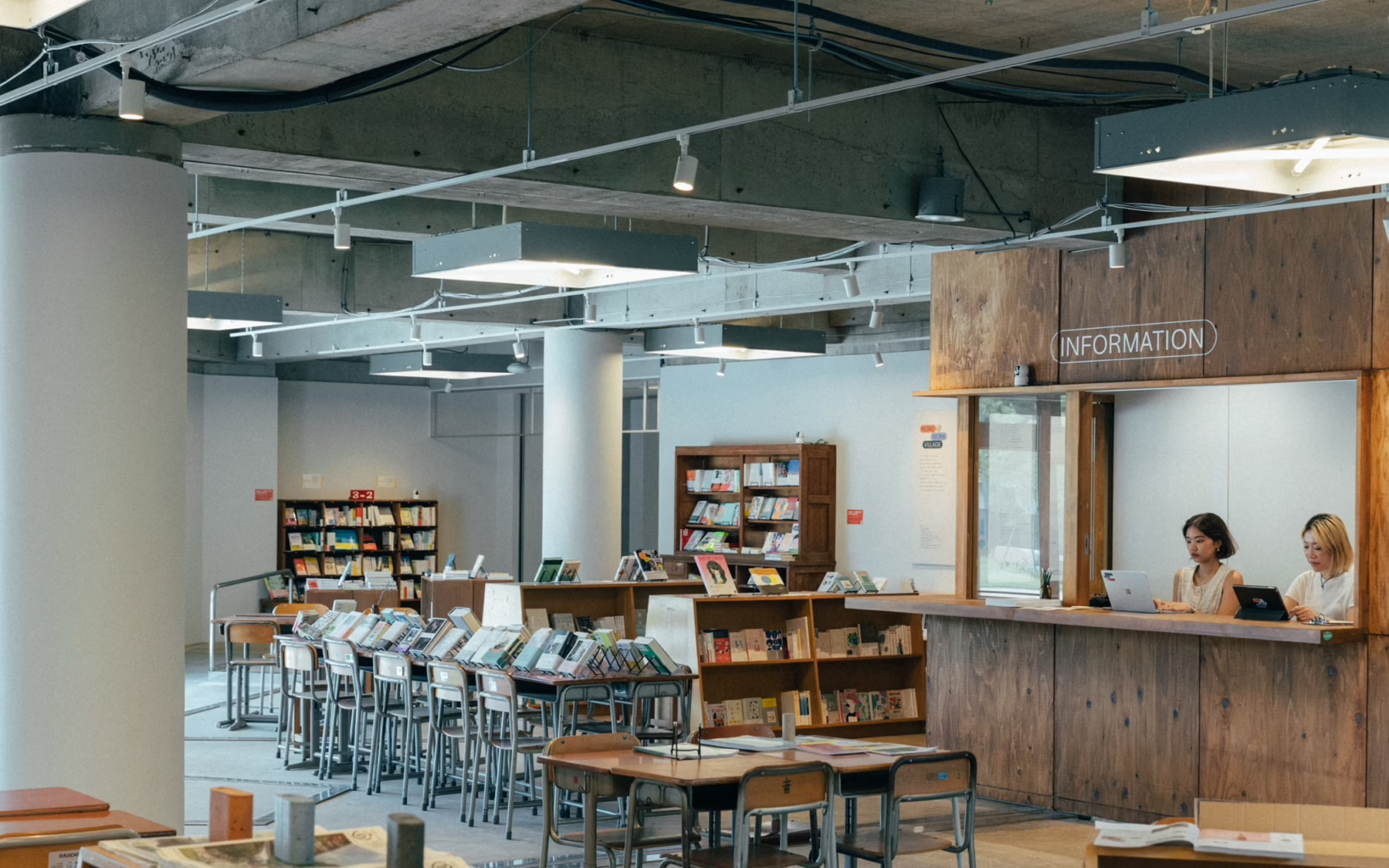
Stop by for a drink, browse a bookstore, grab a coffee or simply soak up the campus-like atmosphere at this creative hub, located just two train stops from Shibuya. Situated in Setagaya Ward, the adaptive reuse project has transformed a former junior high school into a multipurpose destination housing independent boutiques, restaurants and workspaces.
Today, the complex is home to a book lounge, craft brewery, wine bar and rooftop community farm, alongside multifunctional venues such as Marked Ikejiri and Good Tempo – a café and plant shop by day that transforms into a live music venue after dark.
Afterwards, explore the surrounding neighbourhood of Sangenjaya, affectionately known as “Sancha”. Popular with locals for its laid-back character, the area is filled with craft shops, galleries, wine bars and neighbourhood eateries.
For more information, click here.
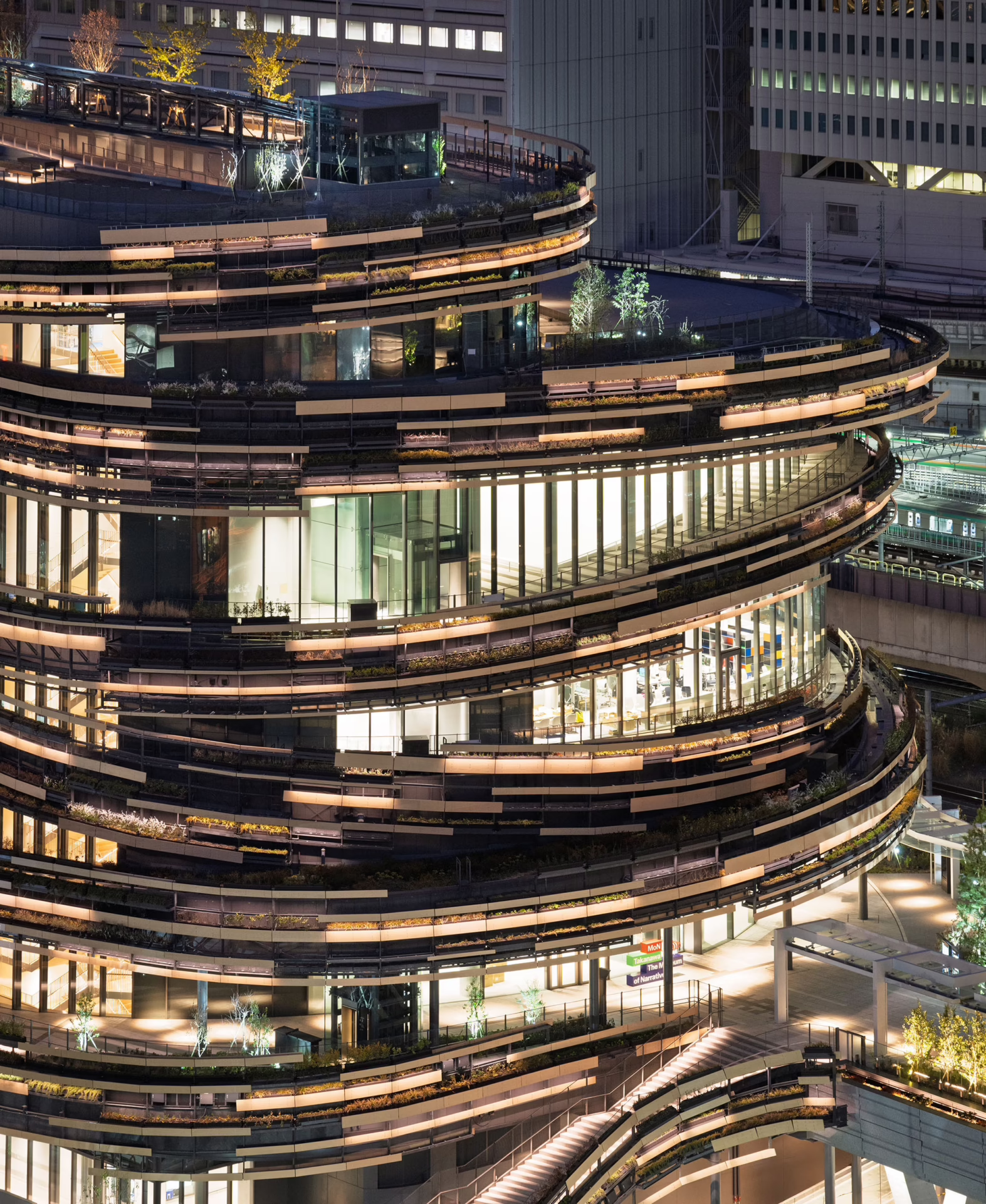
Museum of Narratives (MoN)
Why visit: This transport hub is undergoing a transformation into one of Tokyo’s newest cultural and lifestyle destinations.
Where: Steps away from Takanawa Gateway Station on multiple railway lines
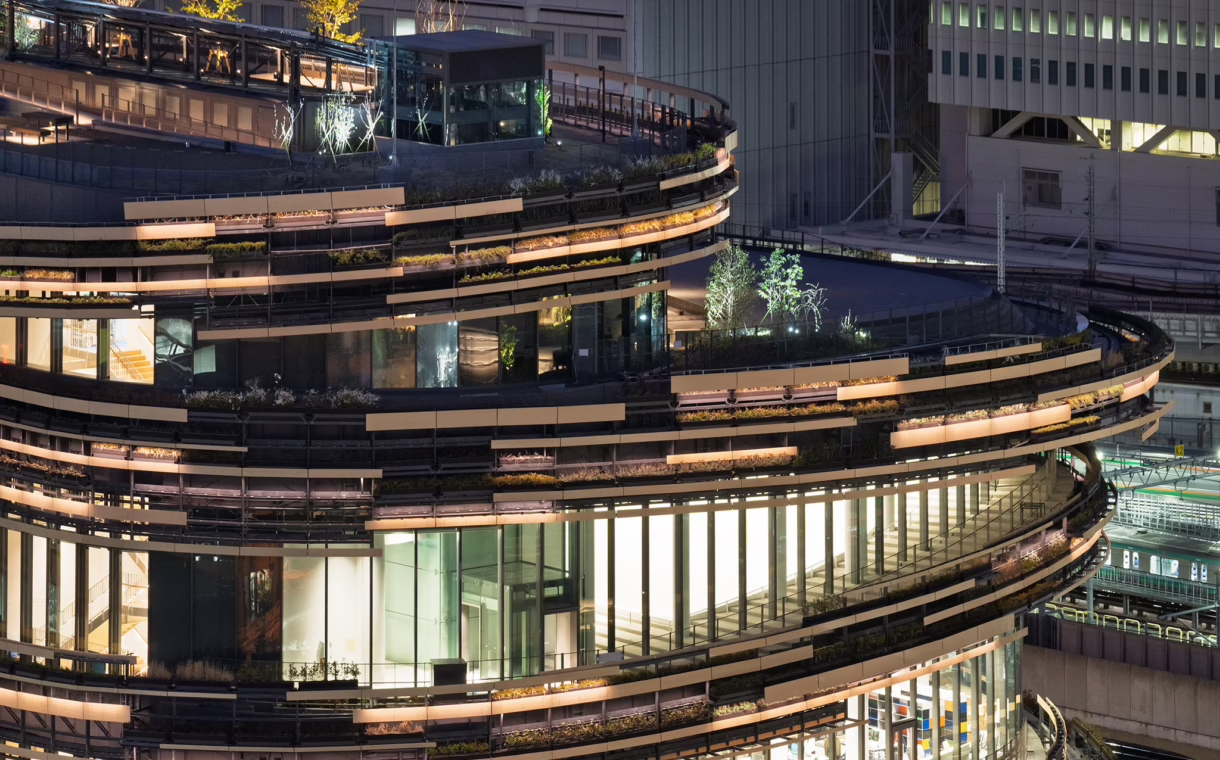
Explore the Museum of Narratives, a striking new landmark by Kengo Kuma & Associates, located about 1km south of Shinagawa on the site of Japan’s first railway line.
Known as MoN, the museum is conceived as a place that will “transport culture for the next hundred years”. The multipurpose venue hosts a rotating programme of exhibitions, performances and events throughout the year.
Its curvilinear form stands out among the surrounding glass towers. Inside, explore nine levels of exhibition and event spaces, including an indoor terrace overlooking the Shinkansen tracks, a tatami-clad floor for tea ceremonies and traditional performances, a foot bath and terraced garden, and a rooftop shrine.
Beyond the museum, explore NEWoMan Takanawa, a sprawling retail complex with more than 170 stores, before heading to the Luftbaum rooftop garden for views of the city skyline.
For more information, click here.
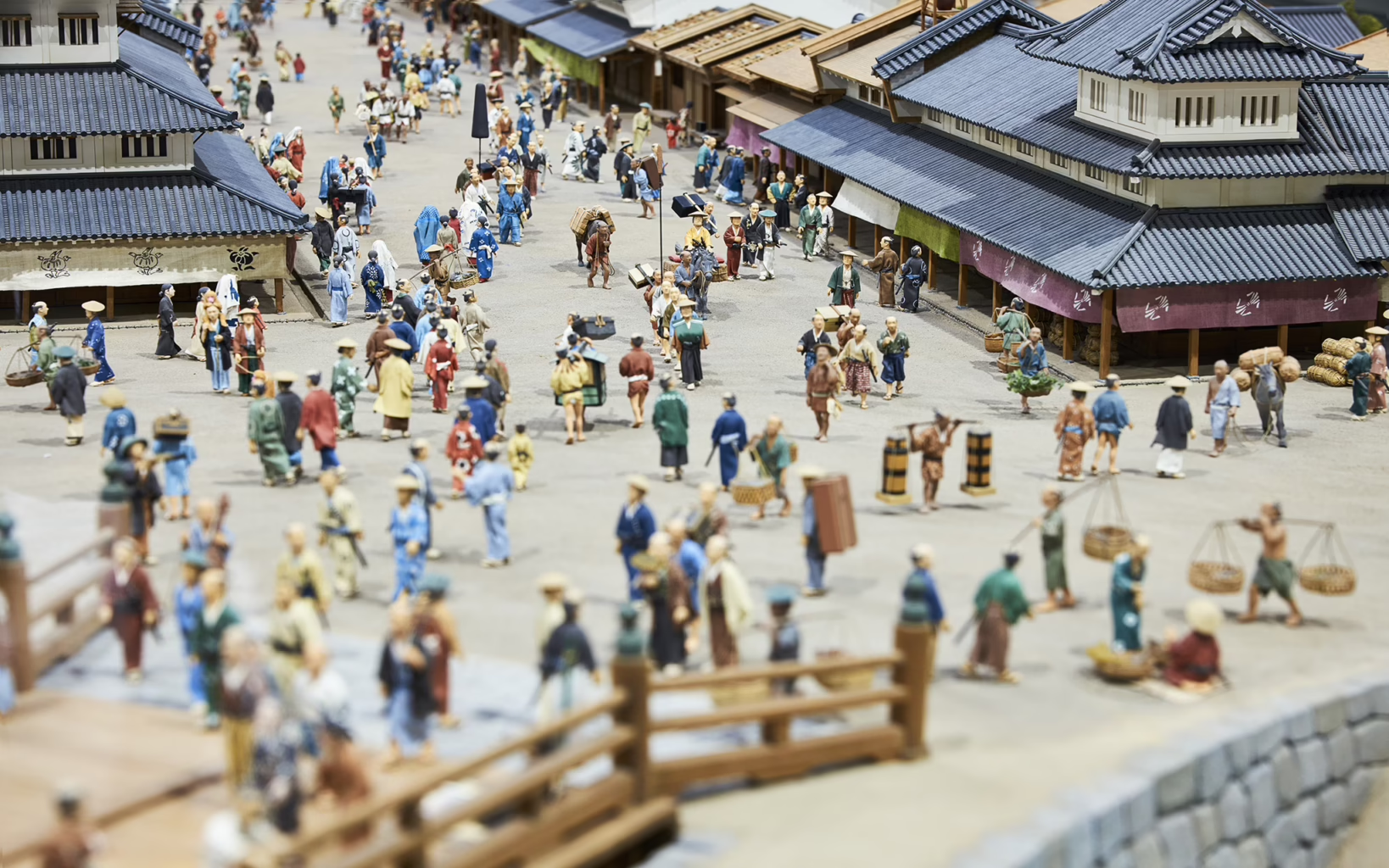
Edo-Tokyo Museum
Why visit: Discover centuries of Tokyo’s history at this family-friendly museum, then head to the upper floors for sweeping views of Tokyo Skytree and the city skyline.
Where: Next to Ryogoku Station on the Toei Oedo Line or JR Sobu Line
Step back in time at the newly refurbished Edo-Tokyo Museum. Following a four-year renovation, the landmark building has undergone structural upgrades and layout improvements, while preserving its distinctive Metabolist architecture.
Trace the evolution of Japan’s modern capital across 400 years of history. Explore more than 350,000 cultural artefacts, including large-scale models that visitors can walk through for a closer look at life in the city through the centuries.
Inside, the museum’s beloved dioramas and miniature models have been carefully restored, alongside new interactive displays, projections and immersive installations. Highlights include recreations of a historic Ginza clock shop, a Kabuki theatre, and other landmarks that bring Tokyo’s past vividly to life.
The museum is located in Ryogoku, Tokyo’s historic sumo district, which still retains traces of its Edo-era character. While you’re here, visit the Sumida Hokusai Museum to view iconic ukiyo-e works, catch a sumo match at the arena, sample hearty chankonabe (sumo stew), or keep an eye out for wrestlers strolling through the neighbourhood in yukata.
For more information, click here.
Singapore Airlines flies direct to Tokyo via Haneda Airport (21 weekly flights) and Narita International Airport (14 weekly flights).
For more information on Singapore Airlines’ flights to Tokyo, visit singaporeair.com.