From former prisons to wartime tunnels, explore five atmospheric sites that reveal fascinating and spooky chapters of Australia’s history
Across Australia, remnants of the past tell stories of convict settlements, wartime hardship, migration and communities that have long since disappeared.
Former prisons and quarantine stations still stand, while abandoned settlements, old mine shafts and wartime tunnels offer glimpses into defining chapters of the country’s history. Ahead of Halloween, we explore five atmospheric places where Australia’s past – and the stories that surround it – still linger.
Fremantle Prison, Perth
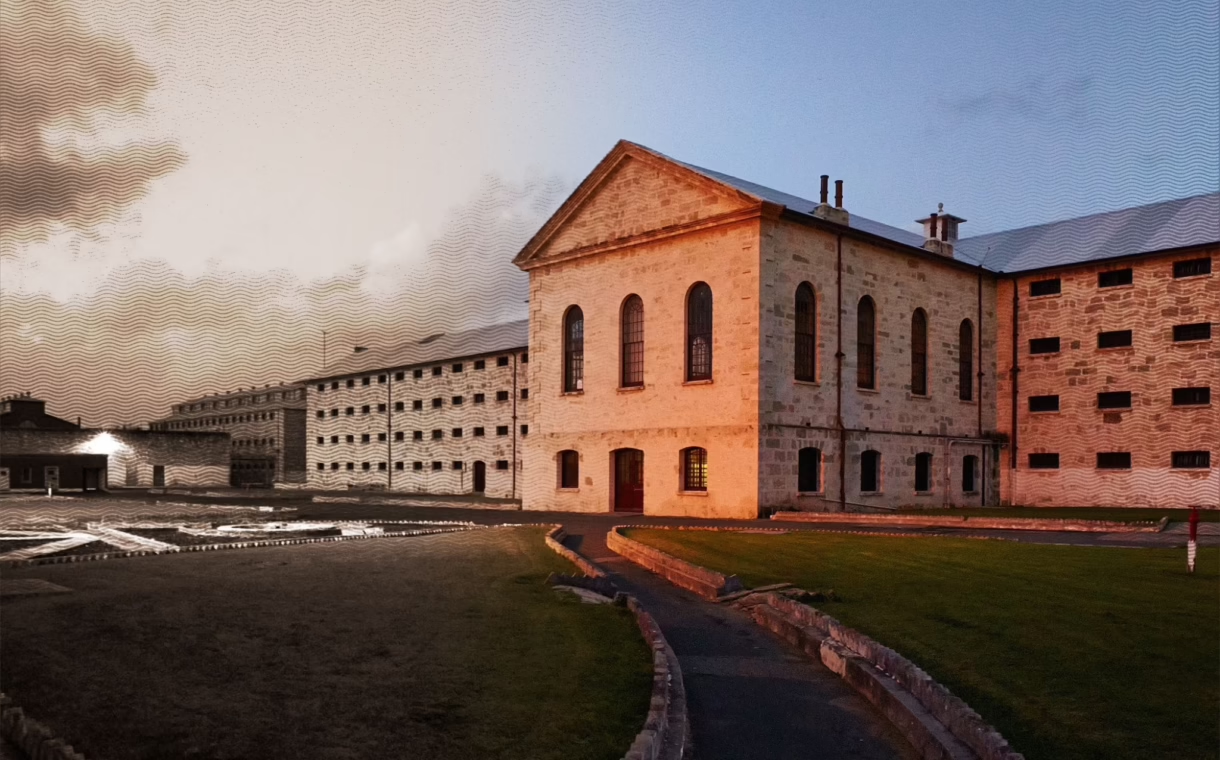
Rising above Western Australia’s port city, Fremantle Prison offers a fascinating window into the region’s convict past. Built by convicts from locally quarried limestone in the 1850s, its striking façade contrasts with the complex stories held within.
Over its 140-year history, the prison witnessed everything from daily life behind bars to floggings, executions and riots, leaving behind a layered history that visitors can explore today.
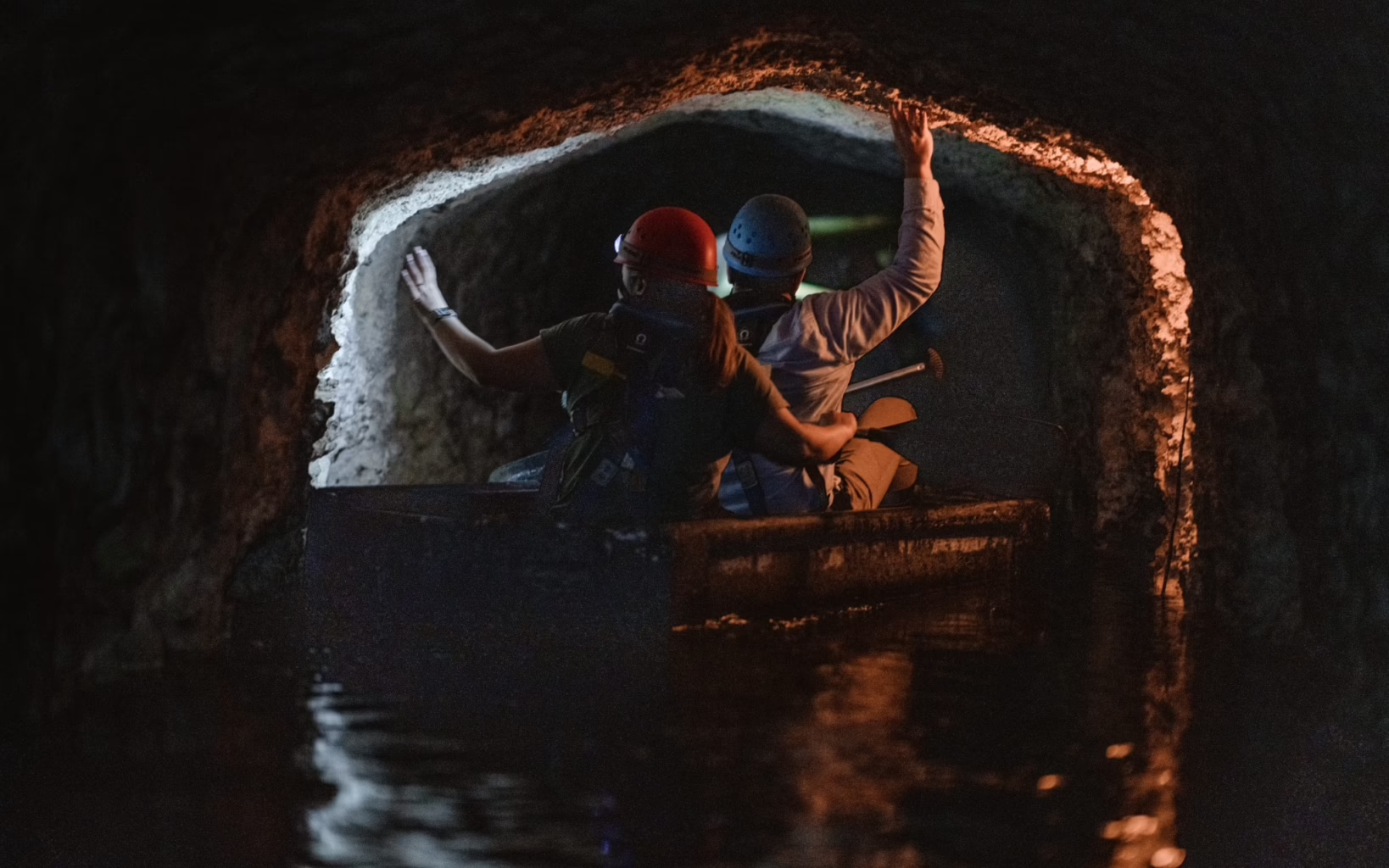
Today, guided torchlight tours offer an atmospheric way to explore the prison after dark, bringing its colourful history and enduring legends to life. More adventurous visitors can also descend underground by ladder to explore a network of tunnels, including sections traversed in replica convict boats.
Over the years, staff and visitors have shared tales of unexplained footsteps, unusual sounds and sudden changes in temperature, adding to the building’s reputation as one of Australia’s most mysterious historic sites.
The experience can even continue overnight at the on-site hostel. Local folklore tells of Martha Rendell – the only woman executed at Fremantle Prison – whose spirit is said to linger around the former women’s division, with some visitors claiming to see the outline of a face in a chapel window.
Whether you believe the stories or not, an overnight stay offers a memorable way to experience another side of the prison’s history.
Newman’s Nursery Ruins, Adelaide
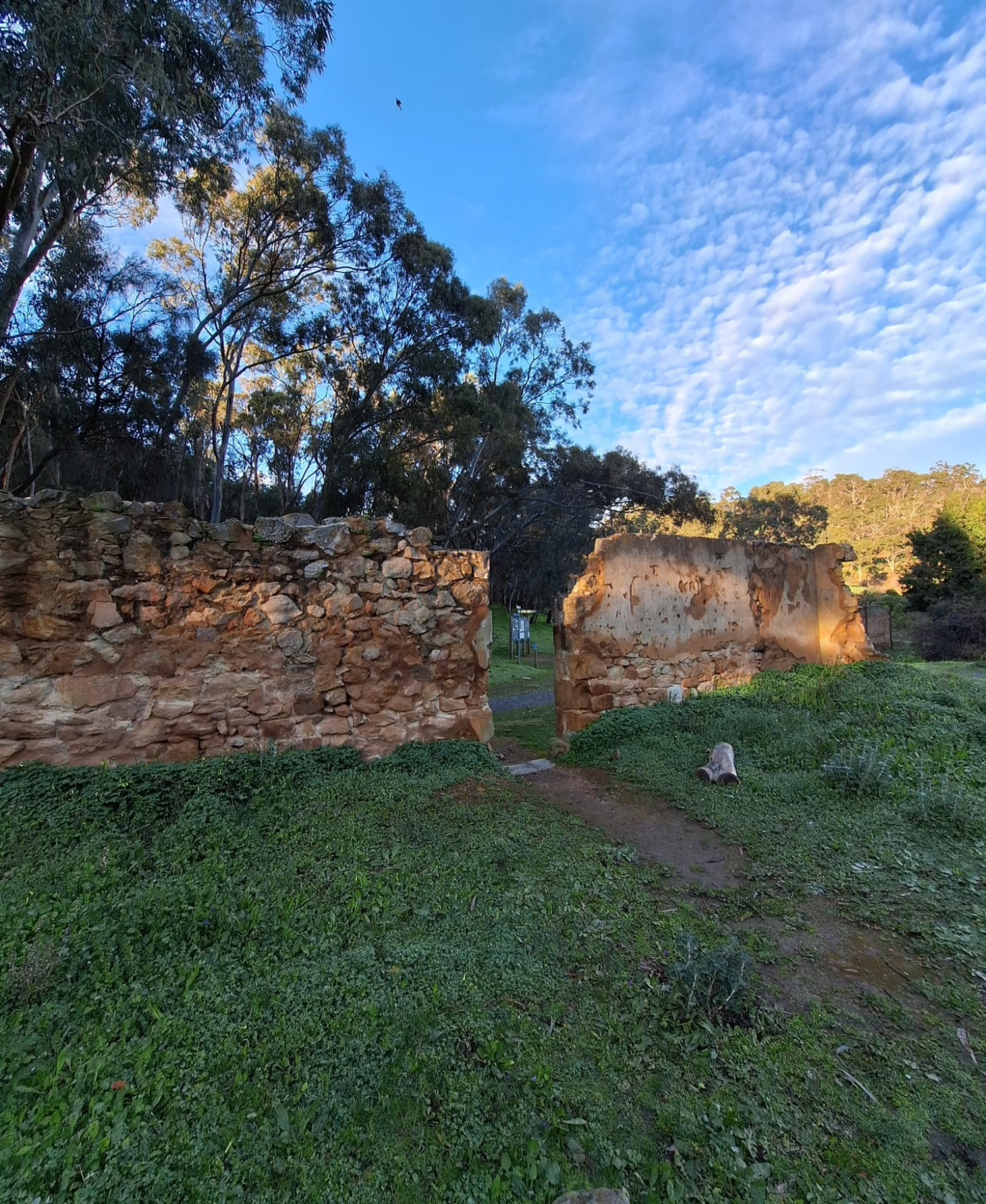
The ruins of Newman’s Nursery punctuate a relaxing 3km-return walk in Anstey Hill Recreation Park, nestled in the foothills of Adelaide. But is there something more sinister lurking among the old stonework?
Once home to the largest plant nursery in the Southern Hemisphere, the Newman family lived and worked on the expansive site from 1854. However, following the tragic death of their two-year-old daughter, Mary, fortunes changed and the property was progressively devastated by a series of natural disasters: storms, severe floods and bushfires.
Abandoned long ago, the crumbling stone walls have become a magnet for rumoured paranormal activity. Explorers brave enough to venture to the ruins after dark describe seeing the fleeting apparitions of children playing, accompanied by the eerie sound of disembodied talking and giggling.
Whether it’s a trick of the moonlight, or lingering ghosts of a tragic past, it is enough to make any hiker pick up the pace.
Q Station, Sydney
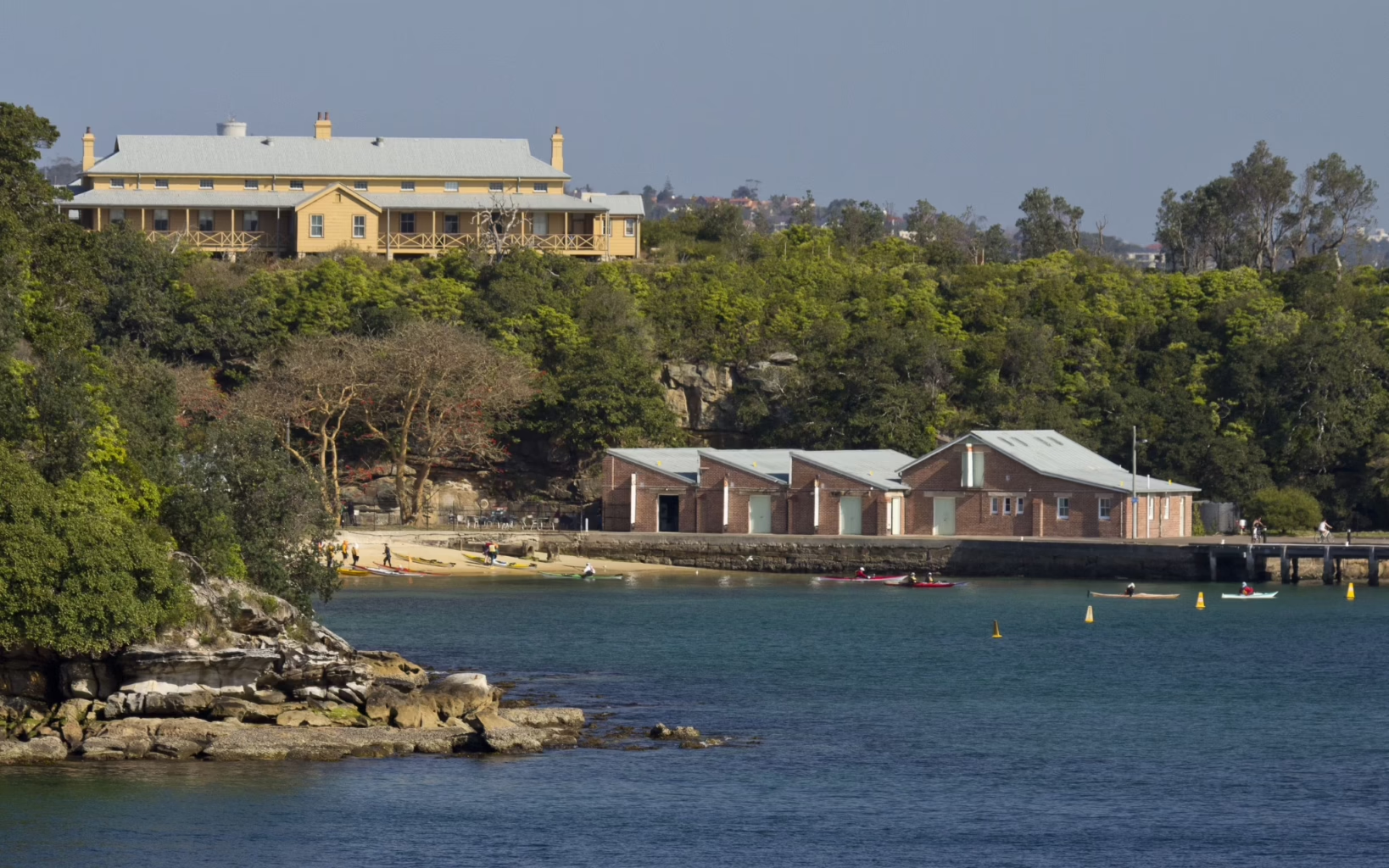
From the 1830s, Sydney’s North Head Quarantine Station was the first experience of Australia for thousands of newly arrived migrants. Those suspected of carrying infectious diseases were isolated here to protect the wider community.
Over the next 150 years, more than 13,000 people were quarantined here, with an estimated 572 dying and being buried on the site.
Originally chosen for its complete isolation at North Head, near Manly, the desolate space still hints at the site’s traumatic past. Paranormal enthusiasts believe many of the “lost souls” are caught between life and death, just as they were in transition between home and Australia.
Today, Q Station runs regular ghost tours that delve into the site’s history and long-standing legends. Over the years, visitors have reported everything from unexplained touches to fleeting shadows in the old shower blocks and morgue, adding a chilling edge to the experience.
Pentridge Prison, Melbourne
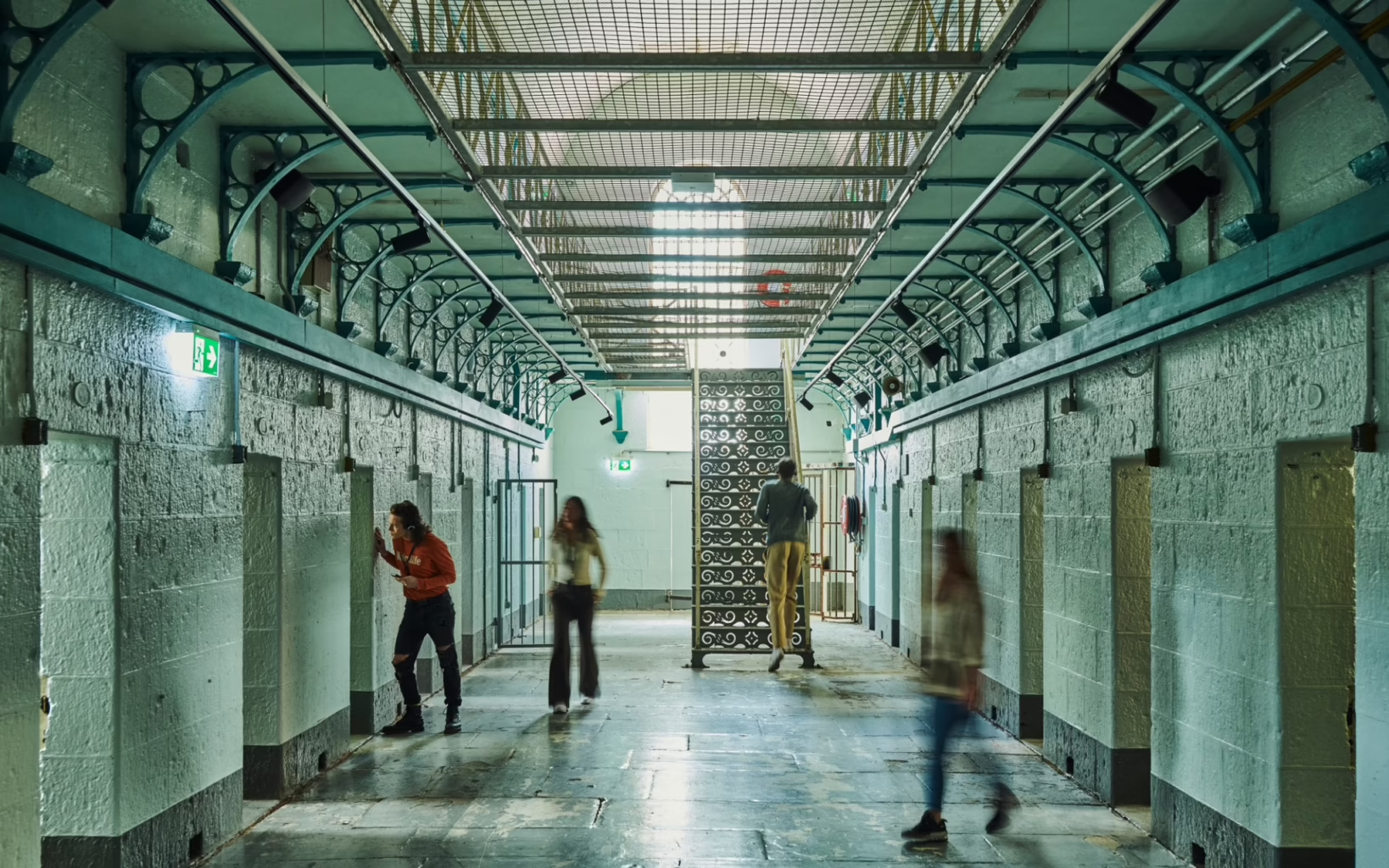
For almost 150 years, the imposing bluestone walls of Pentridge Prison were a fixture of Melbourne’s northern suburbs. Built in part by prison labour in the 1850s, the complex housed some of Australia’s most notorious criminals and was the site of the country’s last judicial execution in 1967.
Today, the former prison has been transformed into a lively precinct, complete with a shopping centre, restaurants, a cinema and accommodation. Its history hasn’t disappeared, though.
Visitors can explore former cell blocks on guided tours that delve into the lives of prisoners and guards, as well as the site’s more colourful legends. Tales of unexplained sounds, opening doors and fleeting shadows have also become part of Pentridge folklore.
WWII Underground Oil Storage Tunnels, Darwin
Tales of underground tunnel networks have circulated in Darwin for decades, but one subterranean complex has a well-documented history.
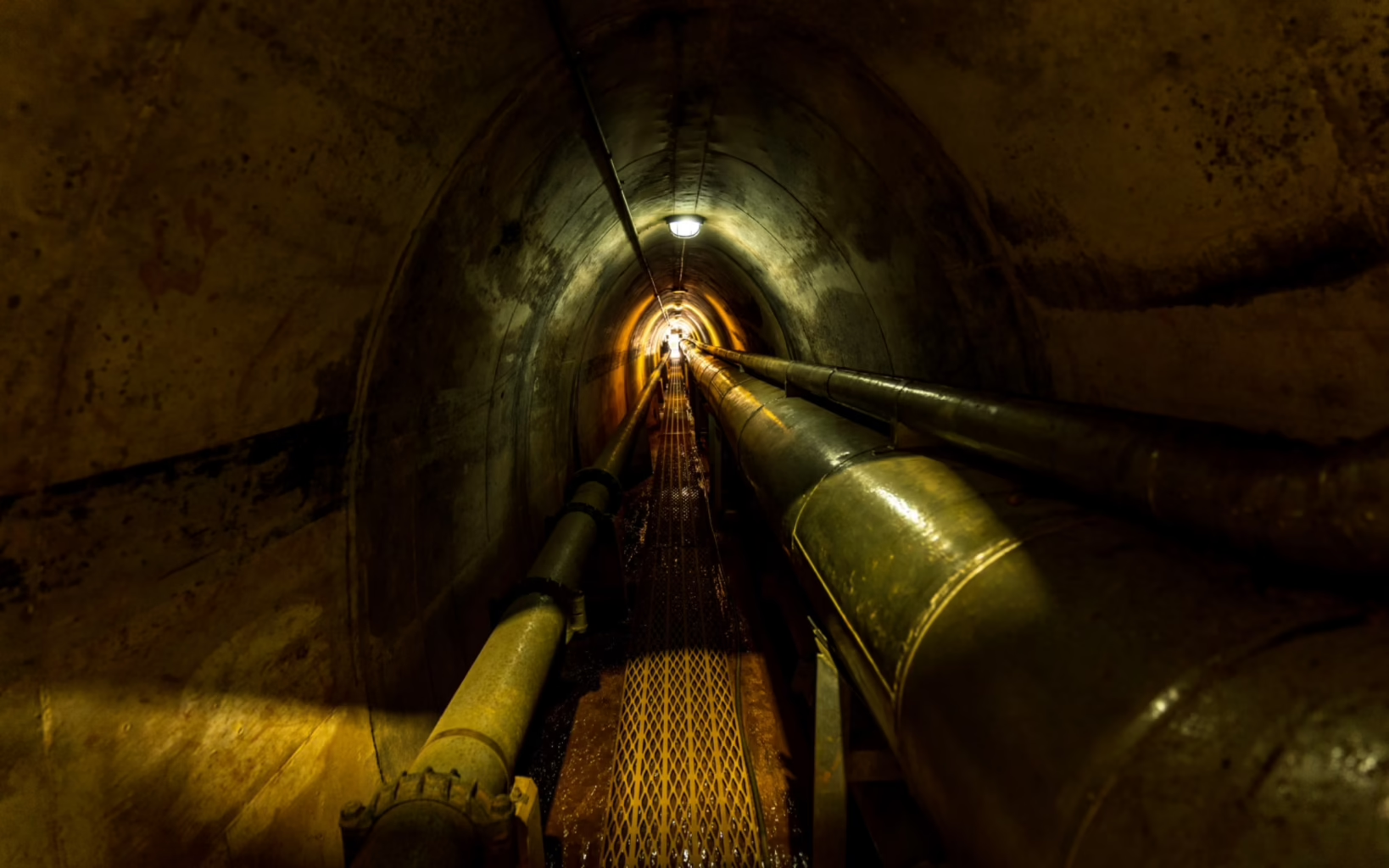
Built following the devastating Japanese air raids of 1942, the Darwin Oil Storage Tunnels were designed to protect the city’s fuel supplies. Despite the scale of the engineering project, cost overruns and persistent water leaks meant the tunnels were never used to store oil during the war.
Today, two of the tunnels are open to visitors as a museum, offering a fascinating glimpse into Darwin’s wartime past. Historic photographs and displays line the passageways, while the tunnels themselves provide an atmospheric setting for stories from this pivotal period.
Over the years, staff and visitors have also reported unexplained footsteps, voices and misplaced objects, adding a touch of mystery to one of the Top End’s more unusual historical attractions.
For Singapore Airlines’ flights to Australia, visit singaporeair.com