
Journey through 3.8 billion years of life at Shenzhen’s Natural History Museum

The newly opened Shenzhen Natural History Museum has a lot in store for visitors. We explore what lies in its permanent exhibitions, spread across eight themed halls
Most Recent
A visit to the Shenzhen Natural History Museum serves up everything from dinosaur fossils and taxidermied animals to meteorites and a replica of the Hooker Telescope, once the largest aperture telescope in the world. Yet, it all flows together naturally.
The concept of flow lies at the heart of this new museum, which opened to the public in July 2026.
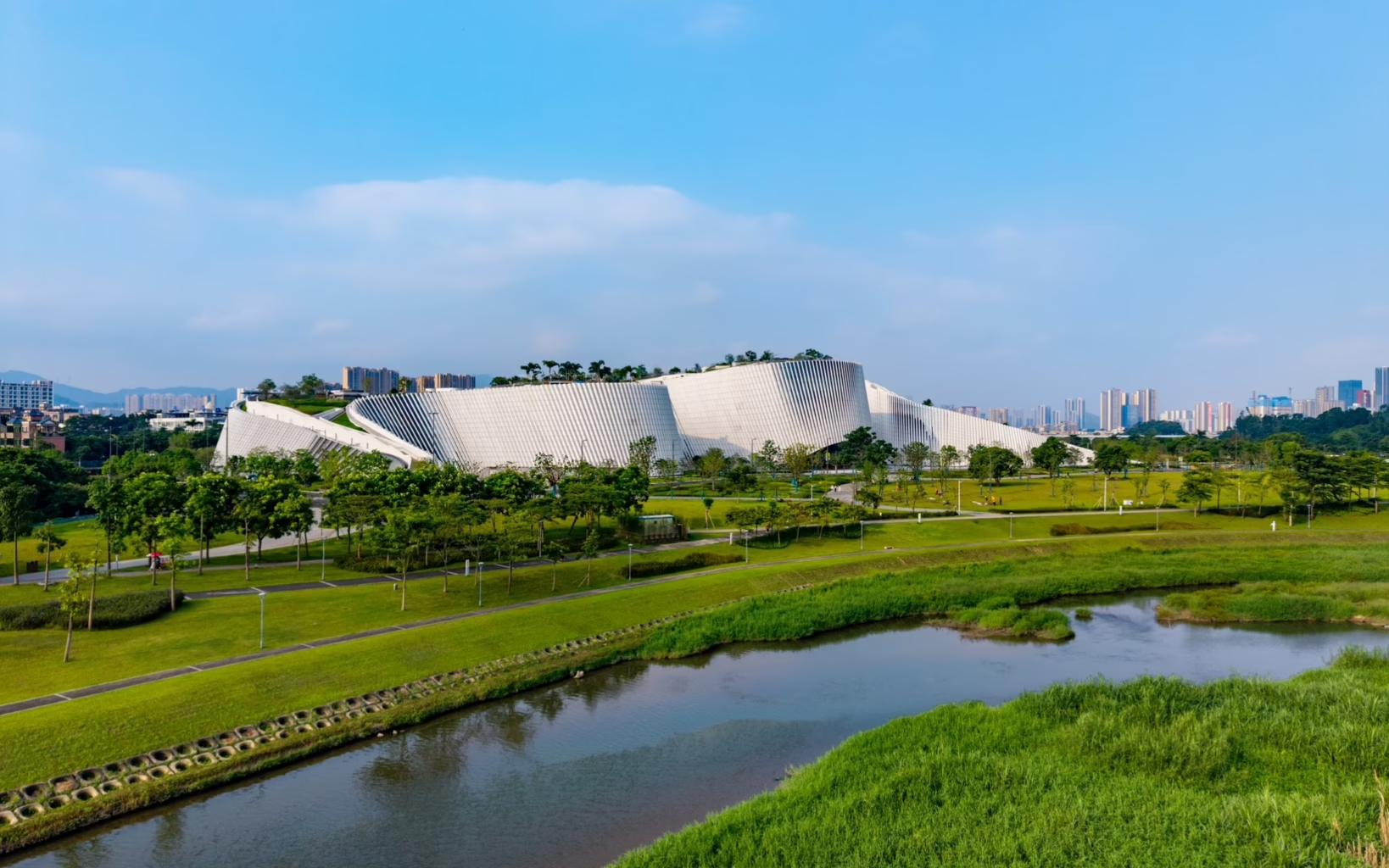
Inspired by a river delta, the RMB3.5 billion (S$668.4 million) building features a fluid, undulating structure that evokes a river winding through the surrounding landscape. Inside, sweep curves and organic forms carry the theme throughout the space.
The free-flowing concept continues in its unique rooftop botanical garden, with a walkway spanning more than 600m. It links the building to the Pingshan River Natural History Corridor, the Yanzi Ridge Park and the Chi’ao Water Wetland Trail, creating a flow between the museum and its natural surroundings.

The New Business Class.
Designed Around You.
Welcome to a new way of travel
with Singapore Airlines. Where thoughtful
details bring greater privacy and comfort
from take-off to landing.
Part of the ambitious Ten Cultural Facilities of the New Era initiative by the Shenzhen government, the museum in the Pingshan district is a sight to behold, both from the outside and within.
But a museum is only as good as what it holds inside. The Shenzhen Natural History Museum has abundant space reserved for a rotation of exhibitions. It also houses eight permanent exhibitions divided into eight halls: Cosmos, Earth, Evolution, Dinosaur, Humanity, Biology, Ecology, and Homeland.
Together, these exhibitions explore three overarching themes: natural evolution, human evolution, and resources and the environment. Here’s what visitors can expect across the eight galleries spanning three levels.

The New Premium Economy.
Your Space to Unwind.
Welcome to a new way of travel with Singapore Airlines.
Where space, comfort, and greater legroom invite you
to unwind, with your well-being at the heart of every journey.
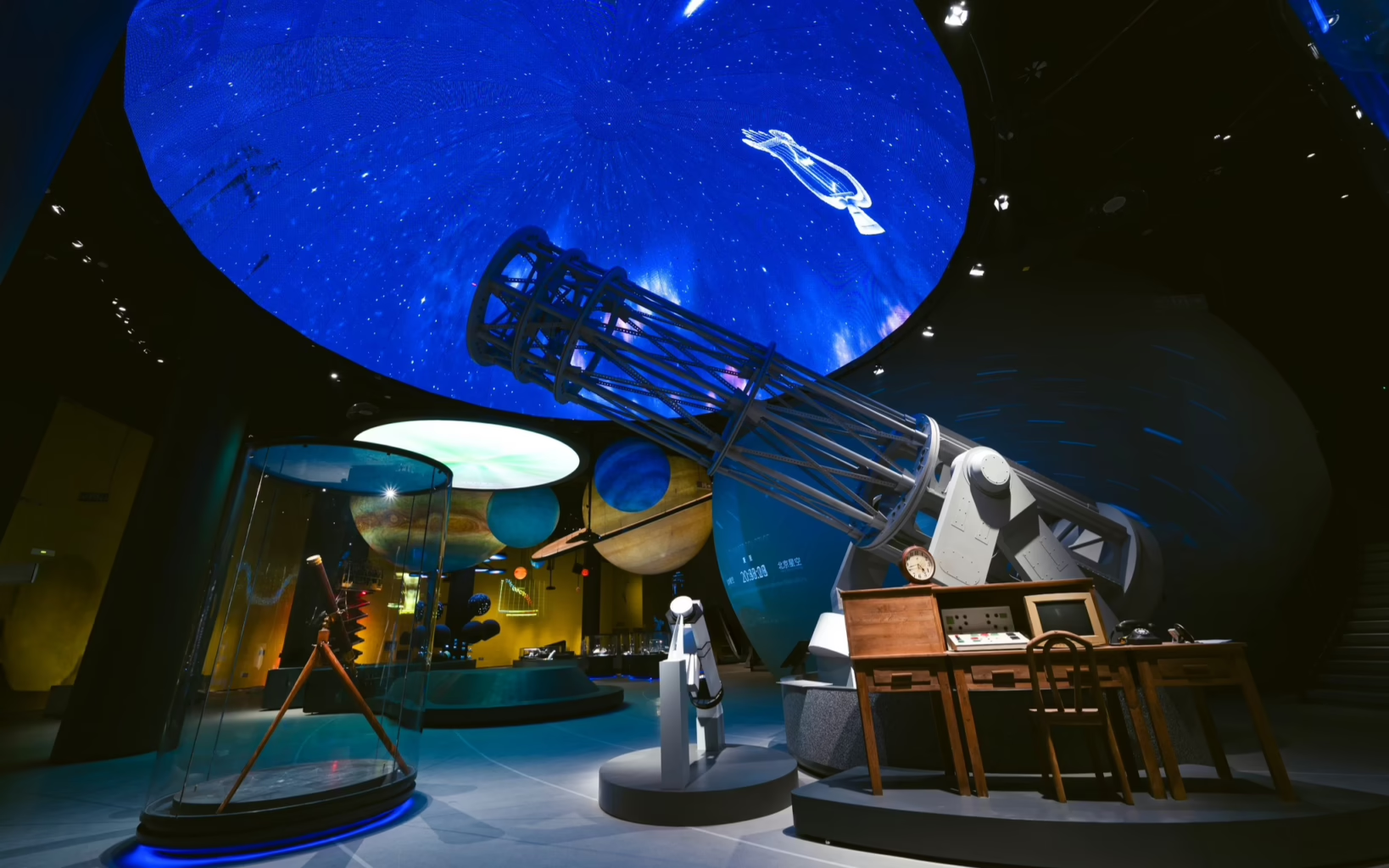
Cosmos
From the early humans gazing at the night sky to modern scientists peering through powerful telescopes, celestial bodies have long fuelled our curiosity about the universe and its mysteries.
The Cosmos Hall traces this journey of discovery, from early naked-eye observations and hand-drawn star charts to breathtaking astrophotography and meteorite samples collected during space exploration missions.
It’s a reminder of how far technology has brought us in our quest to understand the cosmos, even as much of the universe remains a mystery.
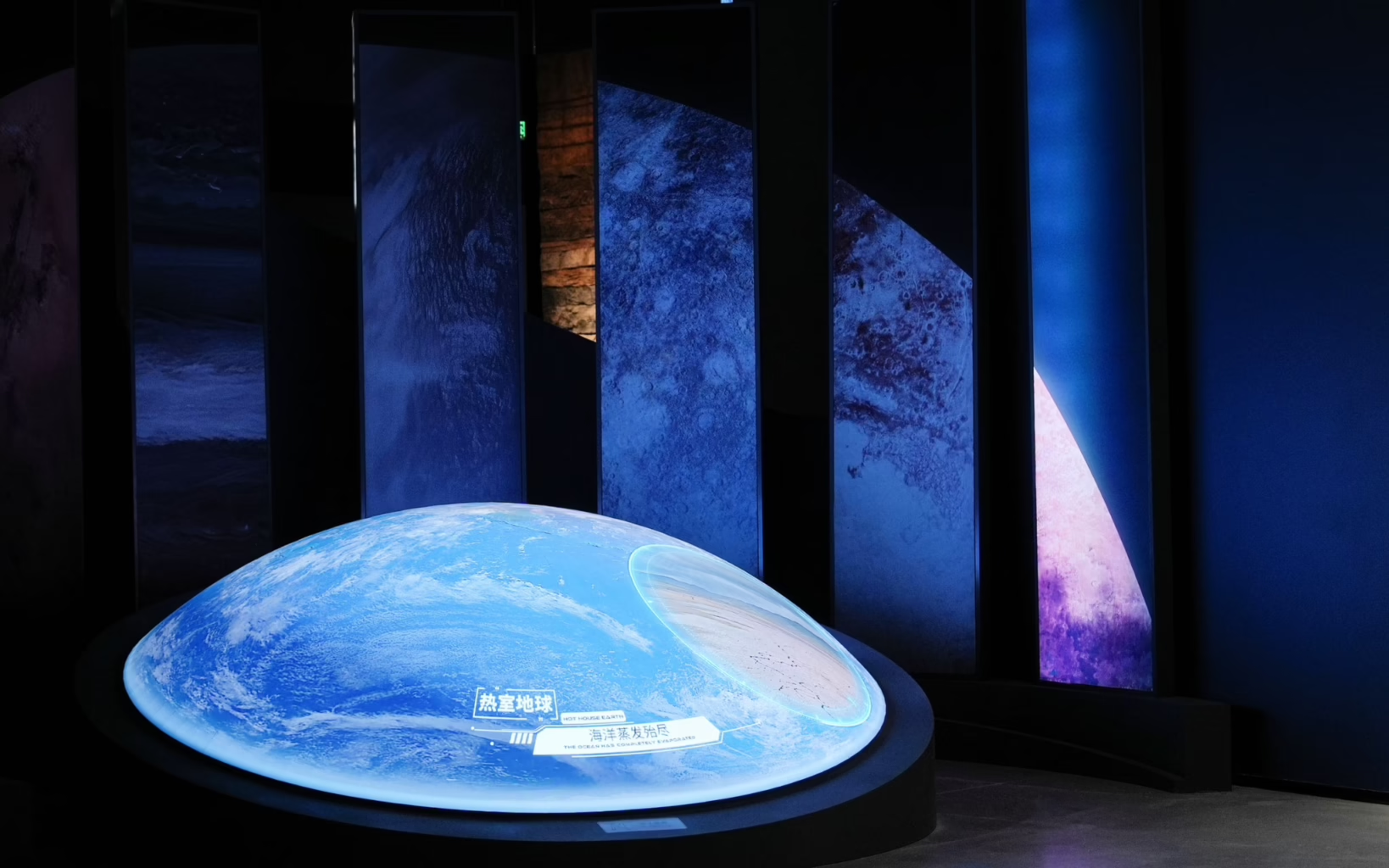
Earth
The Earth Hall brings visitors back to terra firma, tracing our planet’s 4.6-billion-year geological journey. Through displays of rocks and minerals, visitors gain insight into forces that have shaped Earth’s physical landscape, including the geological processes behind China’s diverse topography.
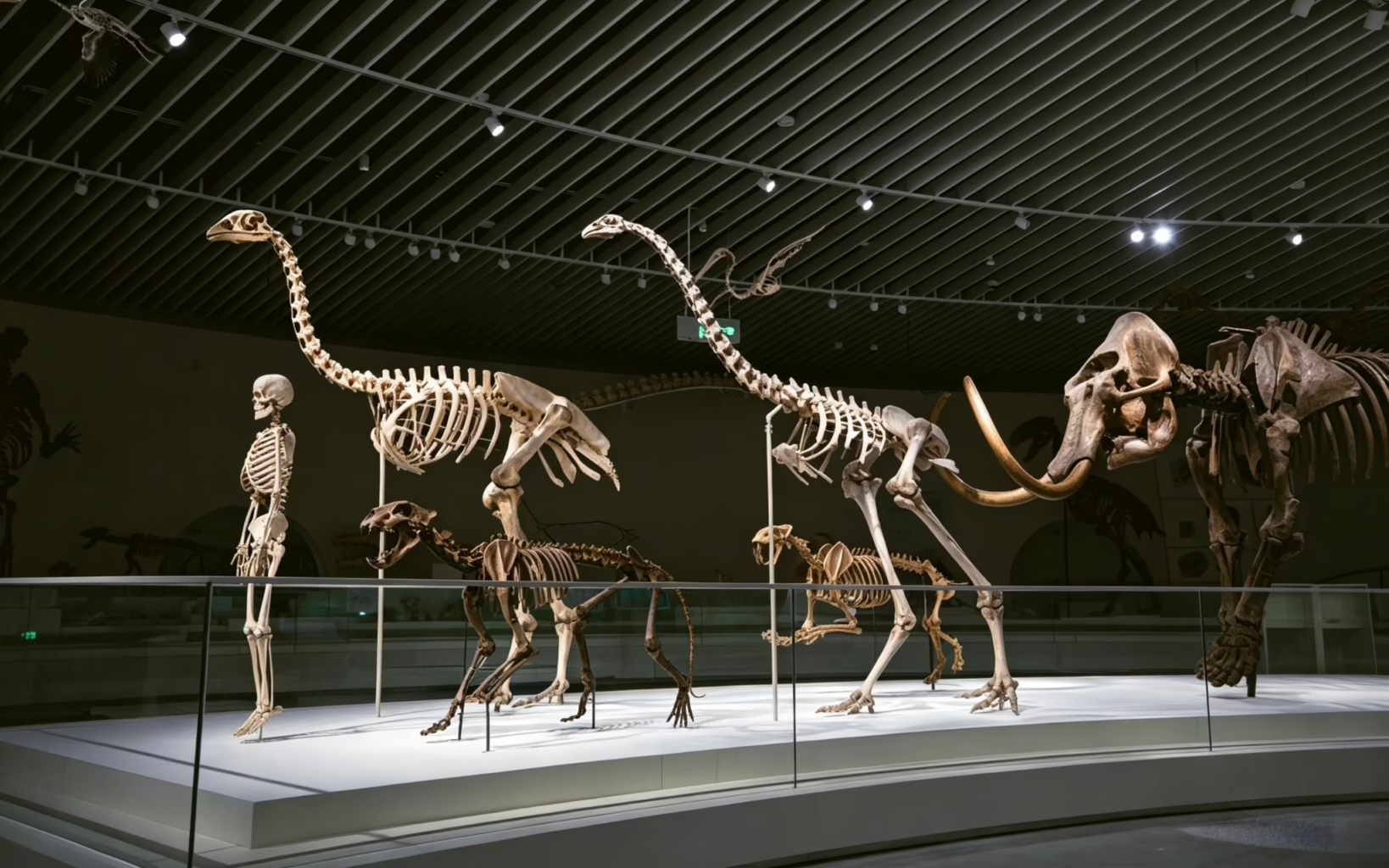
Evolution
The Evolution Hall traces the history of life on Earth, charting 3.8 billion years of biological evolution. An extensive fossil collection illustrates the development of evolutionary theory, including how Charles Darwin’s theory of natural selection transformed our understanding of life. Spanning 1,910sqm, it is the largest of the museum’s eight halls.
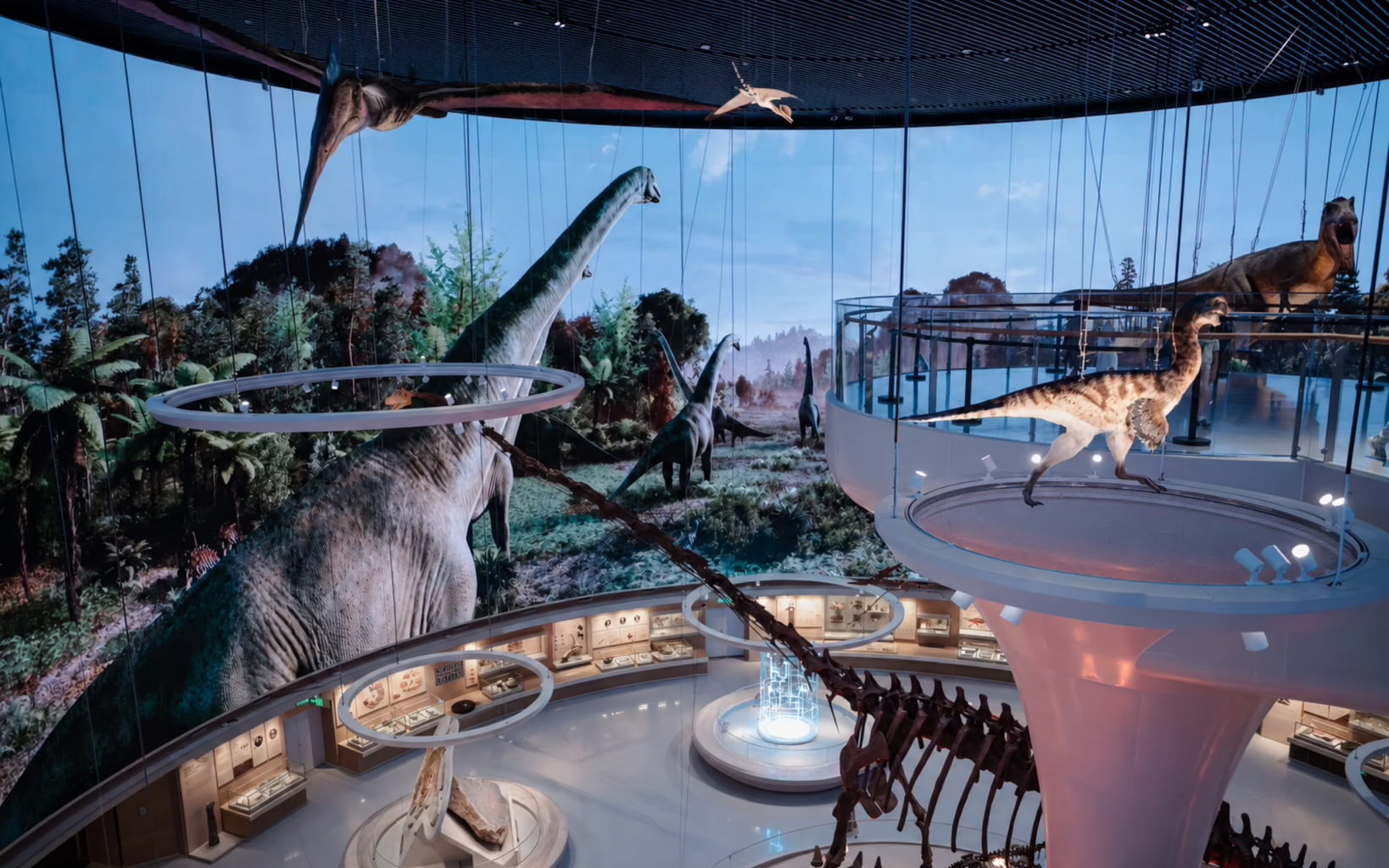
Dinosaur
The Dinosaur Hall is bound to be a highlight, with towering skeletons of prehistoric giants that once roamed the Earth. The exhibition focuses on the red-bed basins of South China, home to one of the largest known Cretaceous dinosaur nesting grounds, while spotlighting China’s significant contributions to our understanding of dinosaur origins and evolution.
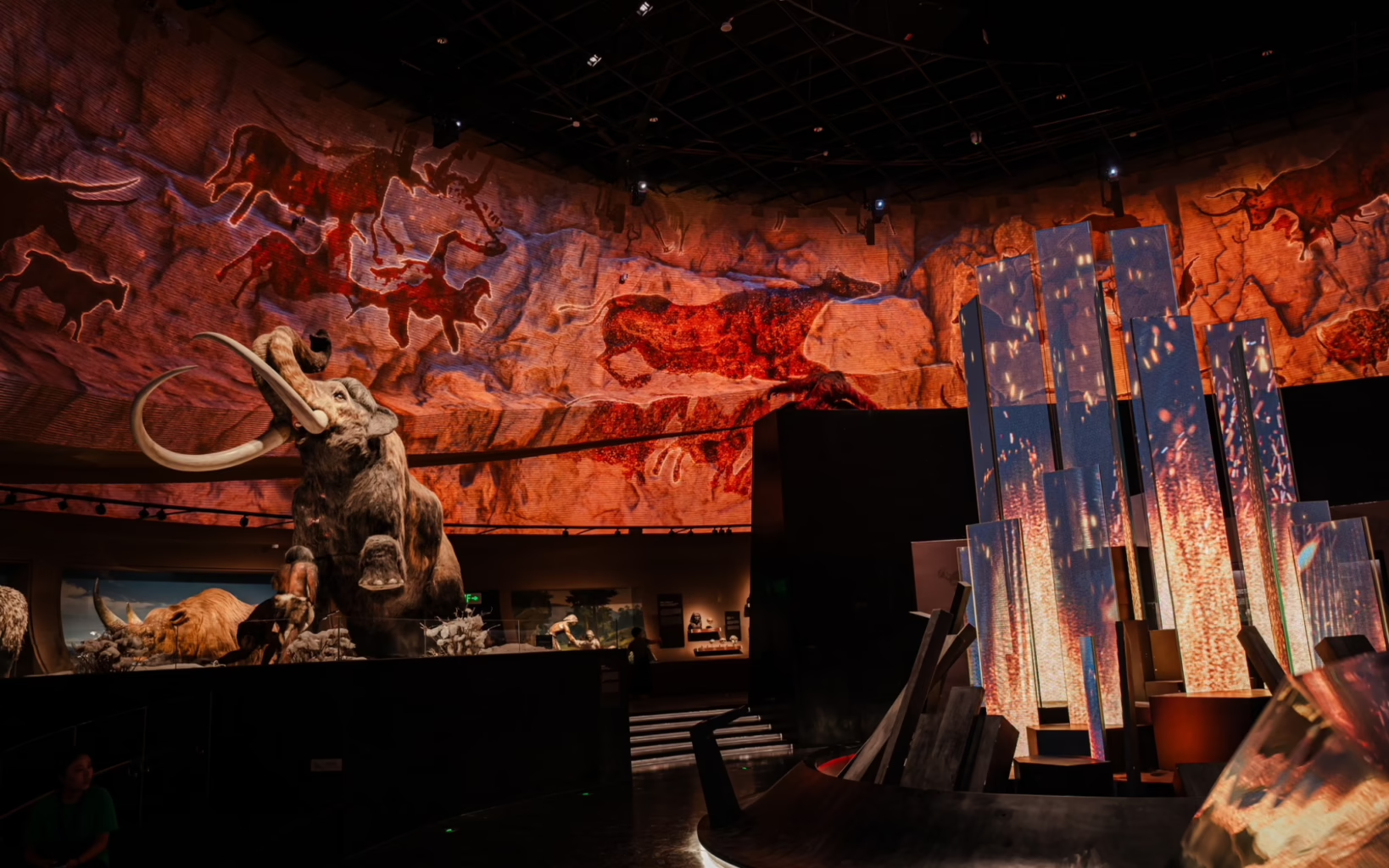
Humanity
The Humanity Hall traces the journey from early hominins to modern humans, exploring competing theories on the origins of our species. The focus then shifts to China, examining the evolution of early humans in the region. A dedicated section charts advances in stone-tool technology, while other exhibits spotlight the giant mammals and birds that once shared the landscape with our ancestors.
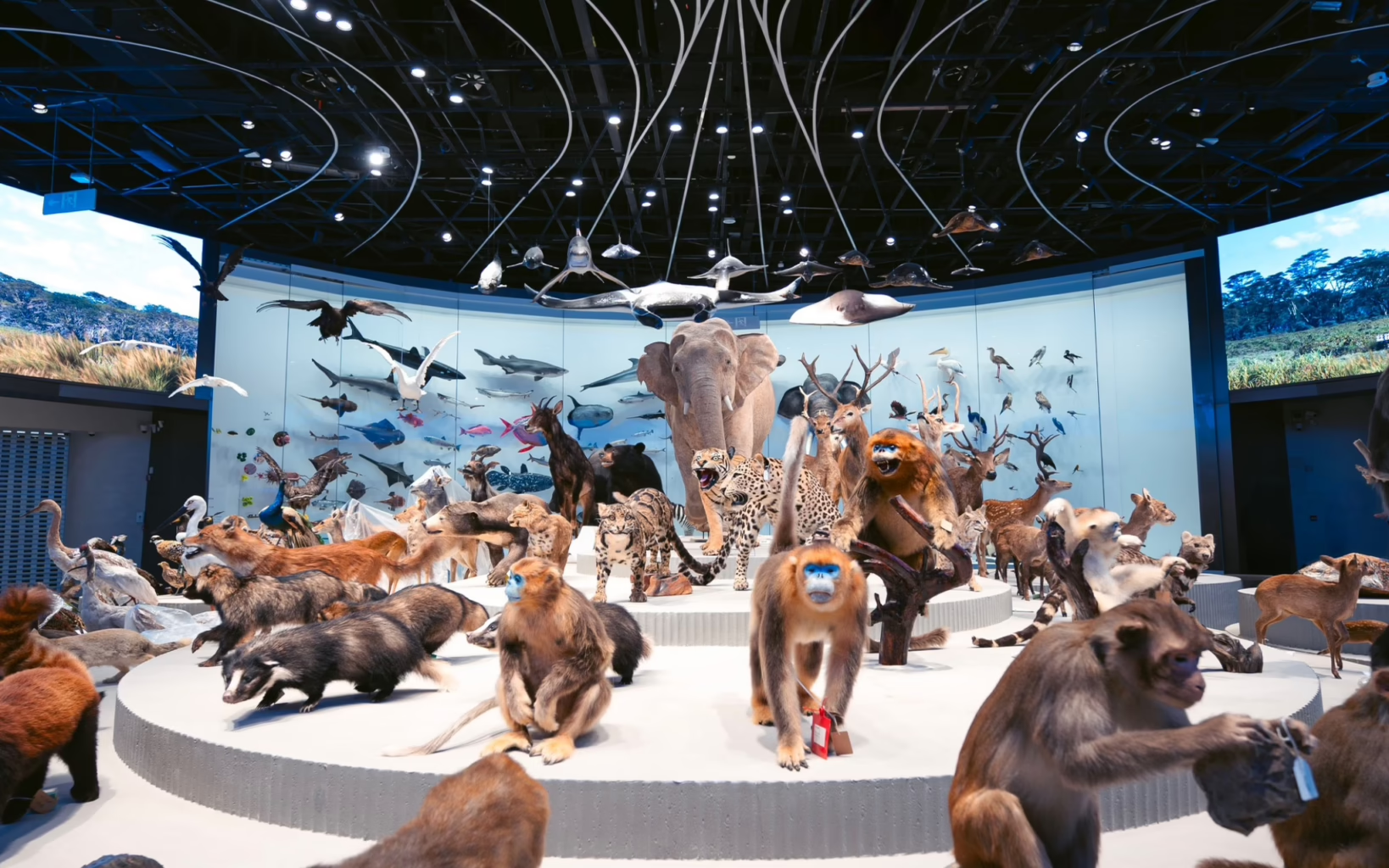
Biology
Organised around biological classification, the Biology Hall explores the diversity of life through physical characteristics, physiology, behaviour, and the relationship between living organisms.
Protected species in South China take centre stage, from the smallest organisms to the largest plants and animals. While the exhibition celebrates life in all its forms, it also casts a spotlight on extinction and the growing threats to biodiversity over the past three centuries.
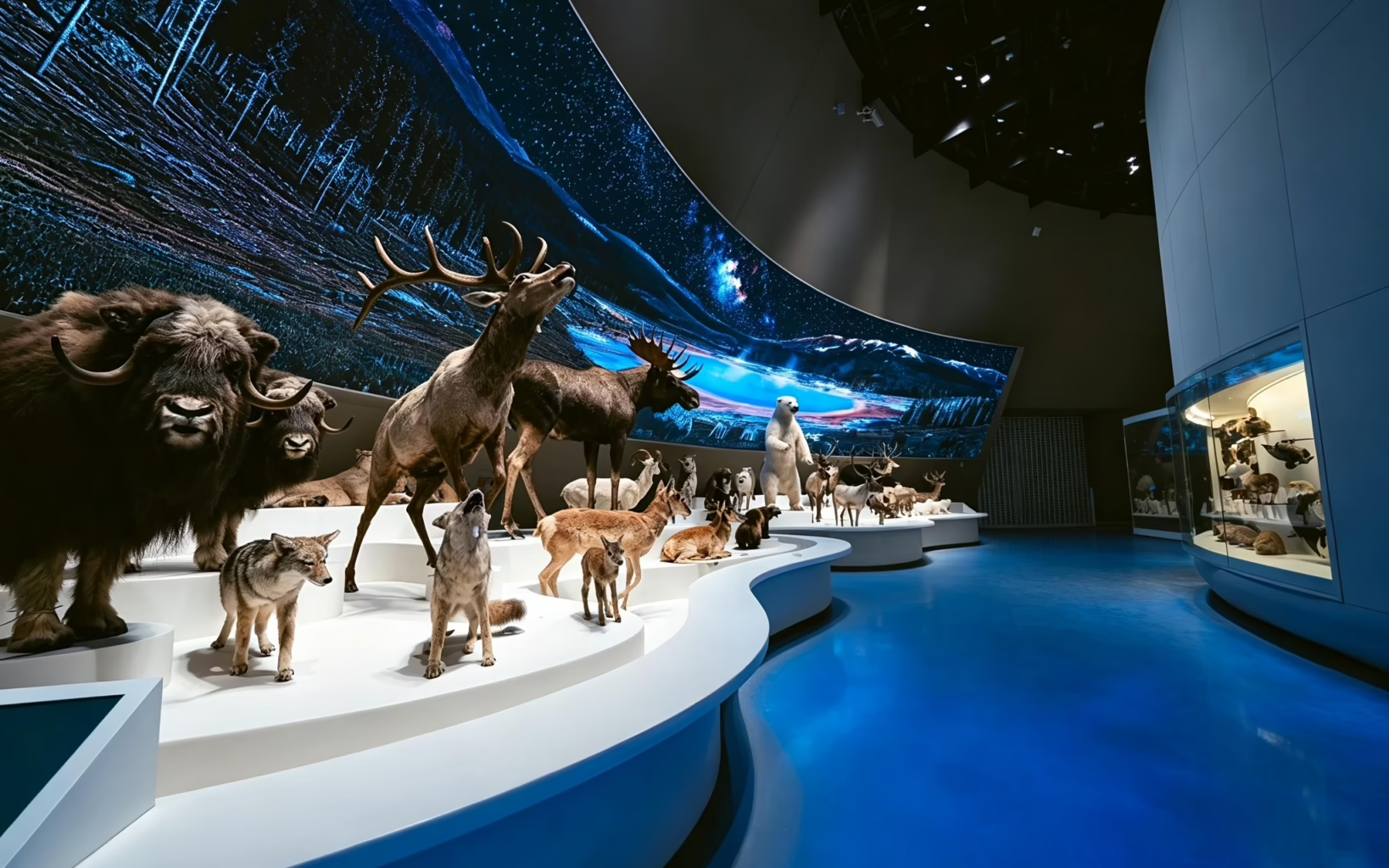
Ecology
This hall explores six major ecosystems: rainforest, grassland, desert, mountain, oceans and wetlands. It uncovers how organisms interact with their environments, shaping the planet’s rich biodiversity and the distinct wildlife found in each habitat.
Within these ecosystems, the drama of survival unfolds, from predator-prey relationships and defence mechanisms to courtship rituals and reproduction.

Homeland
Finally, the Homeland Hall places Shenzhen at the forefront, focusing on its geography and subtropical biodiversity, from native, endemic wildlife to migratory and protected species thriving within its urban landscape.
It also highlights Shenzhen’s conservation efforts and commitment to sustainable development, even as it continues to grow as one of the world’s busiest cities.
For more information on Singapore Airlines’ flights to Shenzhen, visit singaporeair.com