

As the monsoon season retreats, the wetlands surrounding Ahmedabad, Bengaluru, Chennai and Kochi draw migratory birds from Central Asia while becoming increasingly active with resident birdlife
Birdwatching in India is often associated with vast national parks, yet some of the best birding spots lie on the outskirts of the country’s busiest cities, amid lakes, wetlands, and marshes that transform dramatically with the rain.
Come September and October, migratory birds travelling along the Central Asian Flyway begin arriving in India’s wetlands to feed and rest, bringing these urban ecosystems to life.
During this season, Ahmedabad’s wetlands teem with flamingos and pelicans. In Bengaluru, community-led restoration of city lakes has helped revive a remarkable diversity of nesting birdlife, including areas hemmed-in by highways and flyovers. Chennai’s coastal salt marshes draw wintering waterbirds, while further down in Kochi, tides and mangroves sustain a rich ecosystem of wildlife.
These cities host everything from spoonbills and hornbills to kingfishers and Brahminy kites. Migratory bird activity is particularly vibrant between September and December, and many of these birdwatching spots are easily accessible on a day trip from the city centre.

Ahmedabad
Bagodara Nalsarovar Link Road, Nalsarovar, Gujarat
The drive from Ahmedabad, just over 1.5 hours, starts quietly, with the road cutting through farmland for miles before the landscape gives way to water. Spanning 121km2, Nalsarovar is a vast expanse of shallow waters, mudflats and islands, best explored by boat at dawn. As the boatman steers through still waters, flocks of birds rise suddenly from the reeds.
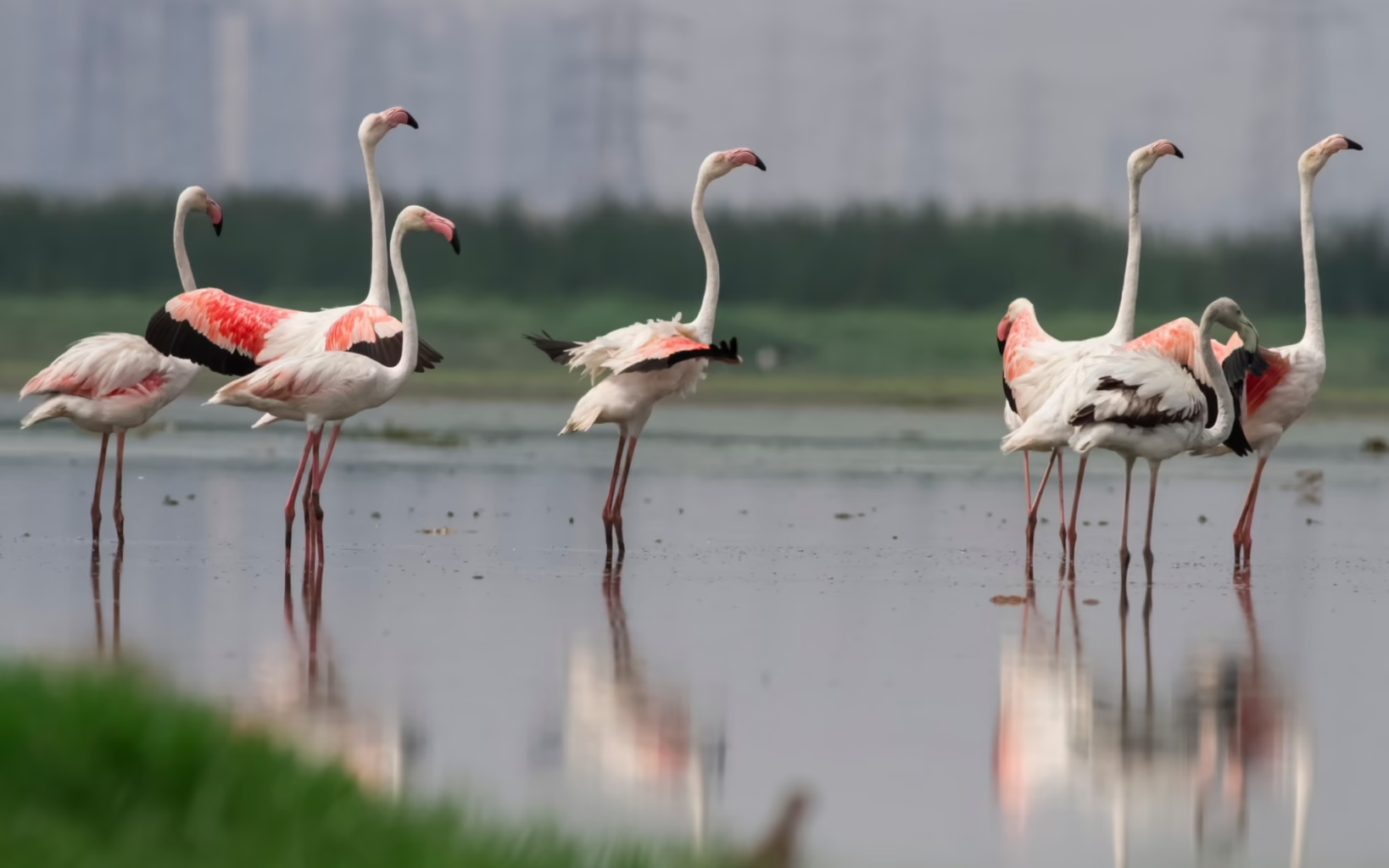
Flamingos steal the spotlight during winter migration, gathering in large numbers across the shallows, their reflections rippling in the water. Look closer, and other species emerge. Pelicans drift effortlessly across open water, painted storks patrol the muddy edges for food, while ducks, sandpipers, and migratory waders populate the wetland’s quieter corners.
Don’t miss: Lesser flamingos feeding in the shallow waters shortly after sunrise.
Birds to watch: Flamingos, pelicans, demoiselle cranes, painted storks, Eurasian spoonbills, bar-headed geese (migratory).
Bengaluru
Valliyamma Layout, Bengaluru, Karnataka
Bengaluru is best known for its tech industry, but its lakes rarely get the same attention. Many of them helped shape the city long before office parks and flyovers were built, storing rainwater across a dry plateau. As Bengaluru expanded, several lakes fell into neglect, although local residents have since helped restore them.
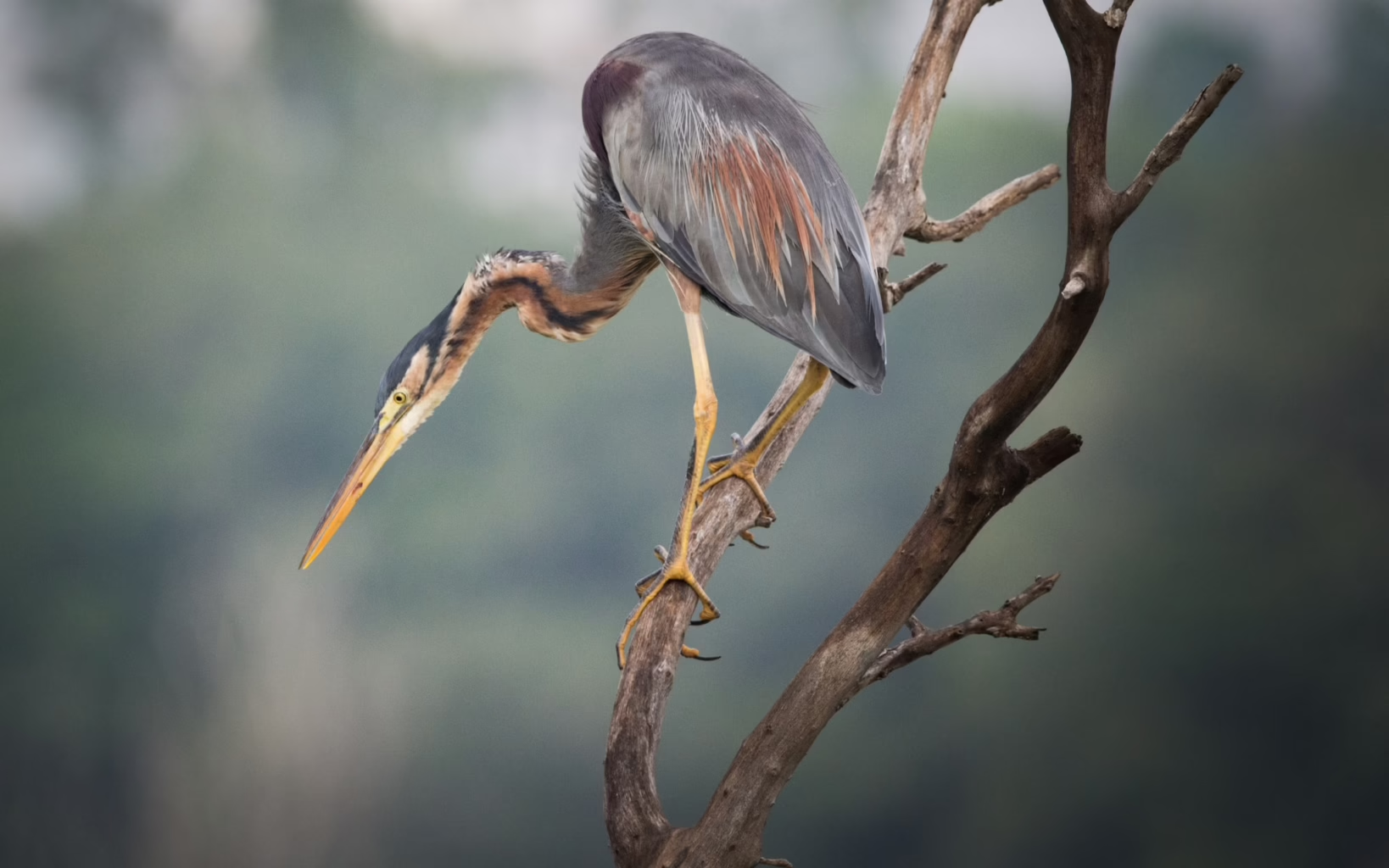
Today, the trees shade parts of the shoreline, their canopy drawing unexpected visitors. Drive for about an hour out of Bengaluru city centre to Kaikondrahalli Lake and you’ll find Indian grey hornbills move noisily between branches, while purple swamp hens emerge from the reeds, before disappearing again.
Cormorants perch on bare branches, and white-throated kingfishers scan the shallows from treetops before diving for prey. Meanwhile, the reed beds hide their own residents: herons and night herons that stay out of sight for hours.
Don’t miss: White-throated kingfishers hunting along the shoreline during the early morning hours.
Birds to spot: Purple herons, spot-billed pelicans, painted storks, Oriental darters, grey-headed swamphens, white-throated kingfishers, and Brahminy kites
Chennai
Pallikaranai Marsh Reserve Forest
Between Velachery Main Rd and Sholinganallur, near the Old Mahabalipuram Road IT corridor, Pallikaranai
South Chennai has grown around Pallikaranai. Historical maps show a once-vast wetland system, but what remains today is only a fraction of its former size. Despite its shrinking over the years, the post-monsoon months through winter are a great time to witness how the marsh supports a remarkable diversity of birdlife.
After the rain, pelicans gather in the open water, black-headed ibises wade through the shallows and Eurasian spoonbills feed nearby. Egrets favour the wetter fringes, migratory sandpipers dart across exposed mud and plovers scatter around the edges of shallow pools.
In some years, flamingos make an appearance, their pink plumage standing out against the grey water and mud.
Don’t miss: Spot-billed pelicans gliding low across the marsh before settling on the water.
Birds to spot: Greater flamingos, spot-billed pelicans, black-headed ibises, Eurasian spoonbills, painted storks and black-tailed godwits (migratory).
Kochi
Pizhala, Kadamakkudy, Ernakulam, Kochi
About 15km north of Kochi, 14 islands form Kadamakkudy’s 12.9km2 backwater landscape, connected by bridges, creeks, and tidal channels. There are no gates or designated bird hides.
At sunrise, little cormorants share the waterways with passing boats, diving beneath the surface before then resurfacing some distance away. Pond herons forage along the water’s edge, while egrets gather in loose groups against the dark mud. Kingfishers perch on mangrove branches leaning over the creeks.
As the tide recedes, broad mudflats emerge where water flooded the banks just an hour earlier. Then witness the terns appear, waders gather in small flocks and Brahminy kites circle over the estuary. Visitors come for the birdlife but often stay to watch the landscape transform with the tides.
Don’t miss: Brahminy kites above the backwaters in the late afternoon light.
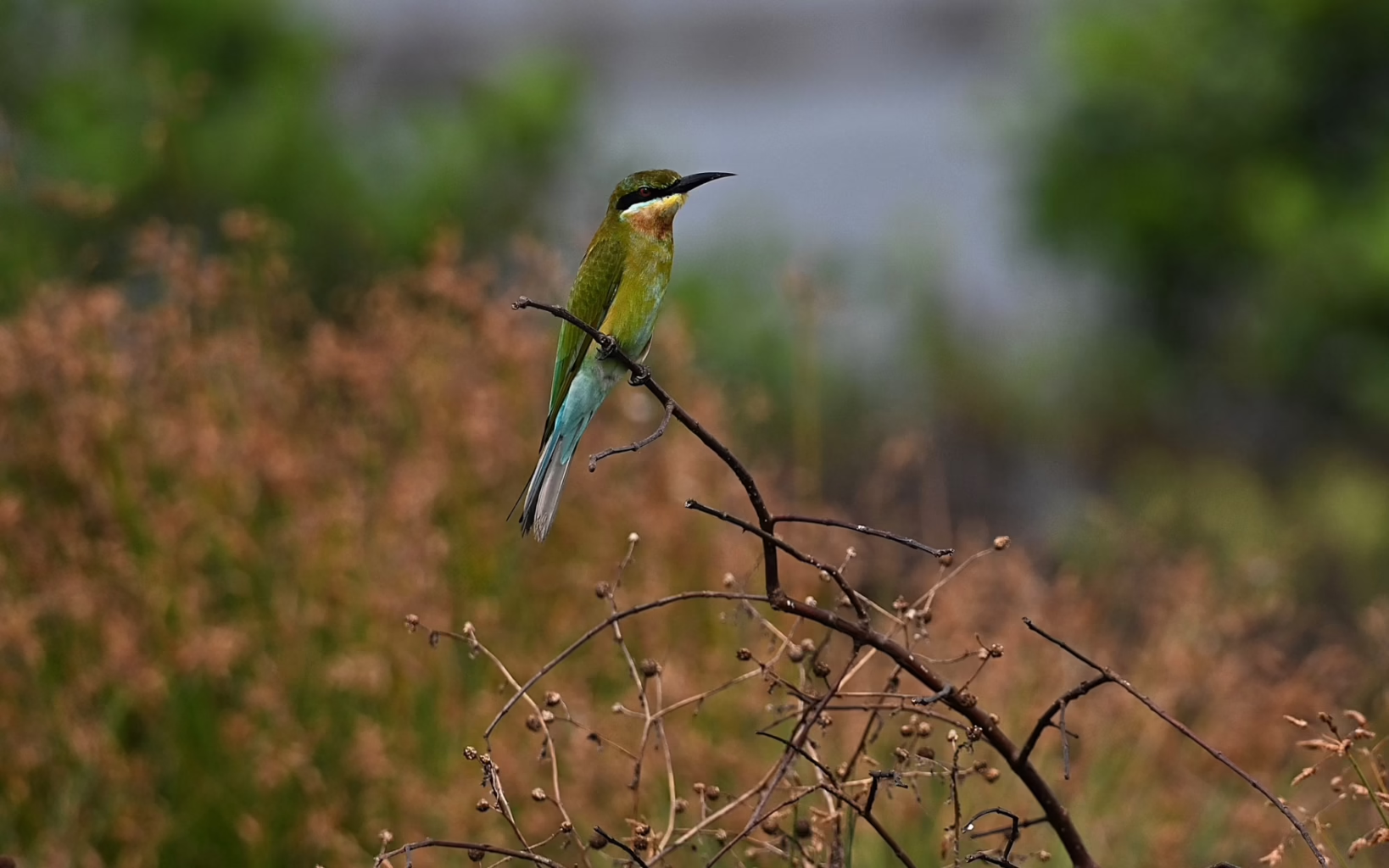
Birds to spot: Blue-tailed bee-eater, Brahminy kites, black-capped kingfishes, black-headed ibises, black-winged stilts, ospreys, whiskered terns, yellow bitterns and common redshanks (migratory).
For more information on Singapore Airlines’ flights to India, visit singaporeair.com