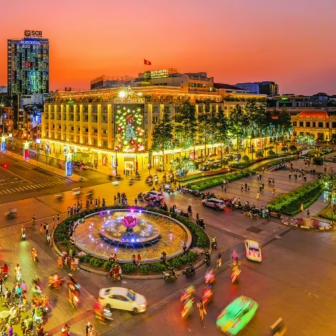

Taiwan is a unique blend of modern metropolis and ancient tradition, exemplified in the vibrant Zhongzheng District – an area best discovered by chance rather than design
Zhongzheng lingers in my memory not as a procession of landmarks neatly filed into a dry itinerary, but as a sequence of moments: the scent of soy and steam drifting from a breakfast shop before the shutters rise; a radio playing old Mandarin pop, echoing off newly rinsed flagstones; someone sweeping a doorstep; a scooter idling, its low-pitched hum reverberating into the crisp air.
It is a bright, cold morning, so early that the city has not yet decided what kind of day it will be. I set off without a destination – not aimlessly, but by instinct. Sun over shade. Quiet over noise. A turn because the street narrows, another because something smells good, impulse as my only guide.
My first stop appears almost without warning. Shandao Temple sits just off the road, wrapped in the sweet scent of incense. Inside, sound falls away. A group tends to offerings – bowing, straightening, pausing. No one notices me, so I linger longer than intended, because the stillness resets me.
When I step back outside, the street feels louder than before. The day gathers itself. I drift south, guided by small signals – a bicycle bell, crates clattering, smoke curling from a crooked flue.
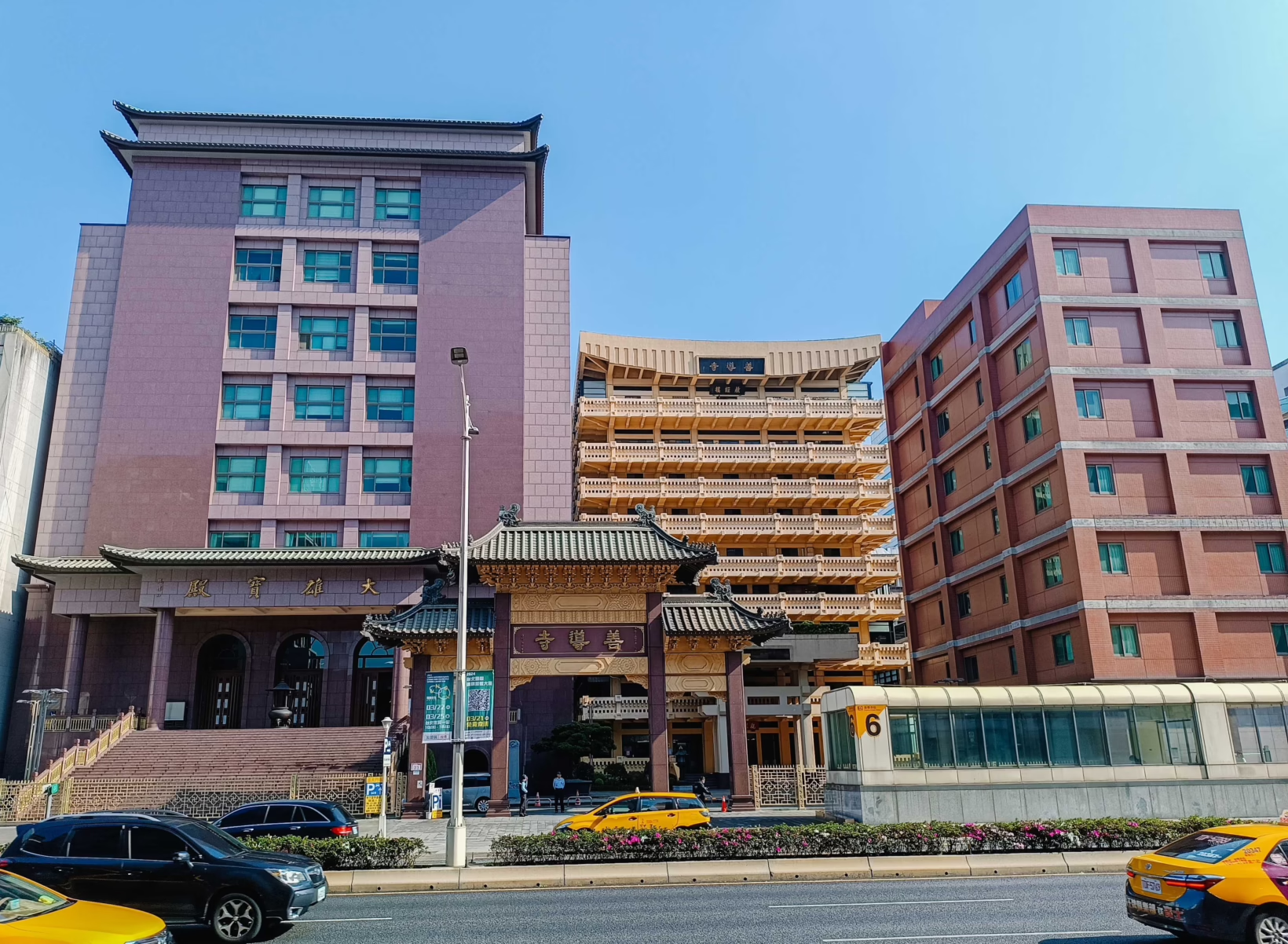
Zhongzheng becomes a tapestry of contrasts: a sombre government building giving way to a lively backstreet; formal plazas and flagpoles set against everyday life.
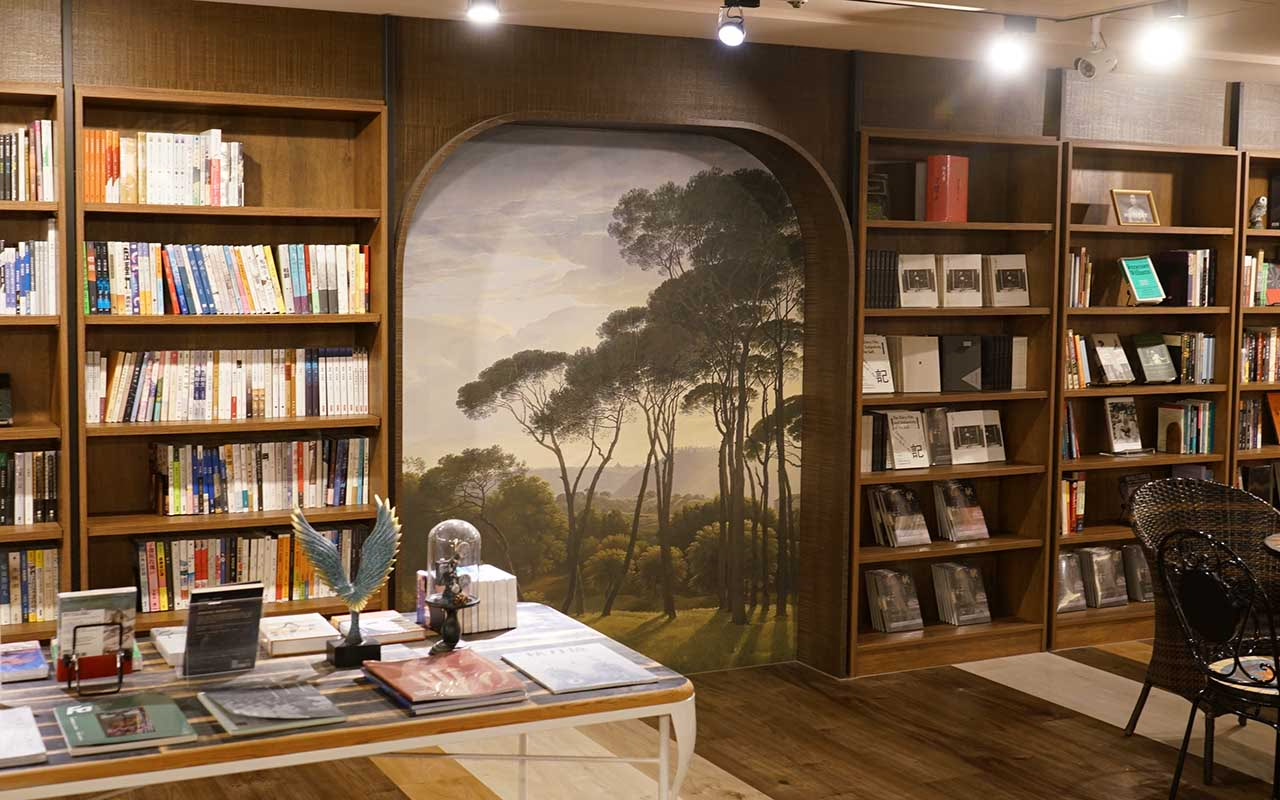
From a tour bus, it’s backdrop. On foot, it resolves into something coherent – the soul of a place. On a whim, near the National Theater and Concert Hall, I duck into Scenery Books.
It is quiet, in that particular, absorbent way of bookshops. Shelves lean towards theatre, film and philosophy. Someone asks for a recommendation and listens intently.
A trace of coffee lingers. I leaf through a slim volume and suddenly want it, very much. Around me, no one is killing time – they are filling it.
Late morning hunger pulls me towards food. Nanmen Market is no tourist trap; it is provision. Shoppers move with the ease of habit. Knives chink among stacks of produce, noodle bundles, trays of tofu – an orderly abundance.
From here, the mood loosens. Huashan 1914 Creative Park opens into courtyards and repurposed brick, creativity unfolding in loose, provisional ways. A small exhibition here, a queue for pastries there. Teenagers take photos, laugh and move on.
Nothing holds you for long. You choose. You change your mind. You sit, then get up again.
In the afternoon, I pass through 228 Peace Memorial Park. Office workers linger over late lunches. Older men stretch in the shade. The light softens. The city exhales. I realise I haven’t checked my phone in hours.
That is the magic of Zhongzheng. It doesn’t dazzle or demand – it accumulates. A smell, a song, a room you enter and don’t rush to leave. By the time I stop walking, I’ve understood the place without trying to “do” it. I didn’t collect sights. I noticed things. And really, isn’t that the point?
In this evocative first-person column, writer Andy Hill explores Taipei on foot, discovering that the city’s most memorable encounters are often found in its hidden streets.
For more information on Singapore Airlines’ flights to Taipei, visit singaporeair.com.