Published on September 1, 2026
A taste of Madrid, from mercados to monuments
From bustling mercados to long lunches and late-night churrerías, Madrid’s food culture is a citywide celebration of tradition, gaiety and communion. Once you’ve feasted, discover the iconic landmarks and attractions that bring the Spanish capital to life
Bienvenidos al Mercado
Welcome to the market, where Madrileños begin the day in ordinary devotion. From señoras pushing rolling trolleys stall to stall, gathering the requisite food supplies for the day – pausing, of course, for bouts of neighbourhood gossip as they go – to professionals savouring morning cafés con leche with a side of lively conversation before heading off to work, Madrid’s morning mercados (markets) are anything but bland.
I learnt long ago that the shortcut to a city’s soul is found in its food markets. With nearly 50 spread across the city’s 17 districts to choose from, we decide to catch this daily socio-gastronomic ritual at Mercado de la Paz, a 19th-century, iron-framed market in the Salamanca neighbourhood whose industrial elegance recalls the architectural age of Gustave Eiffel.
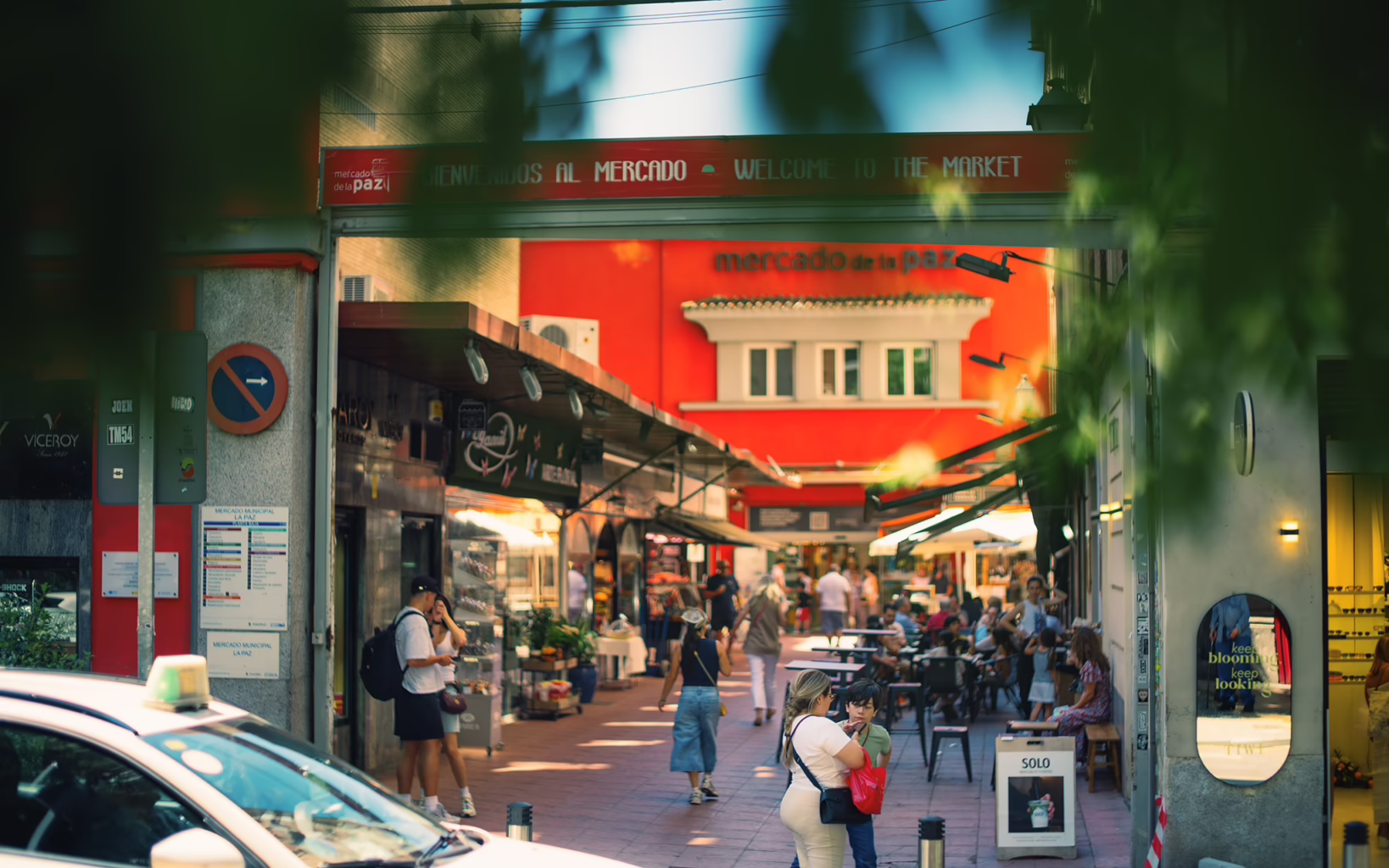
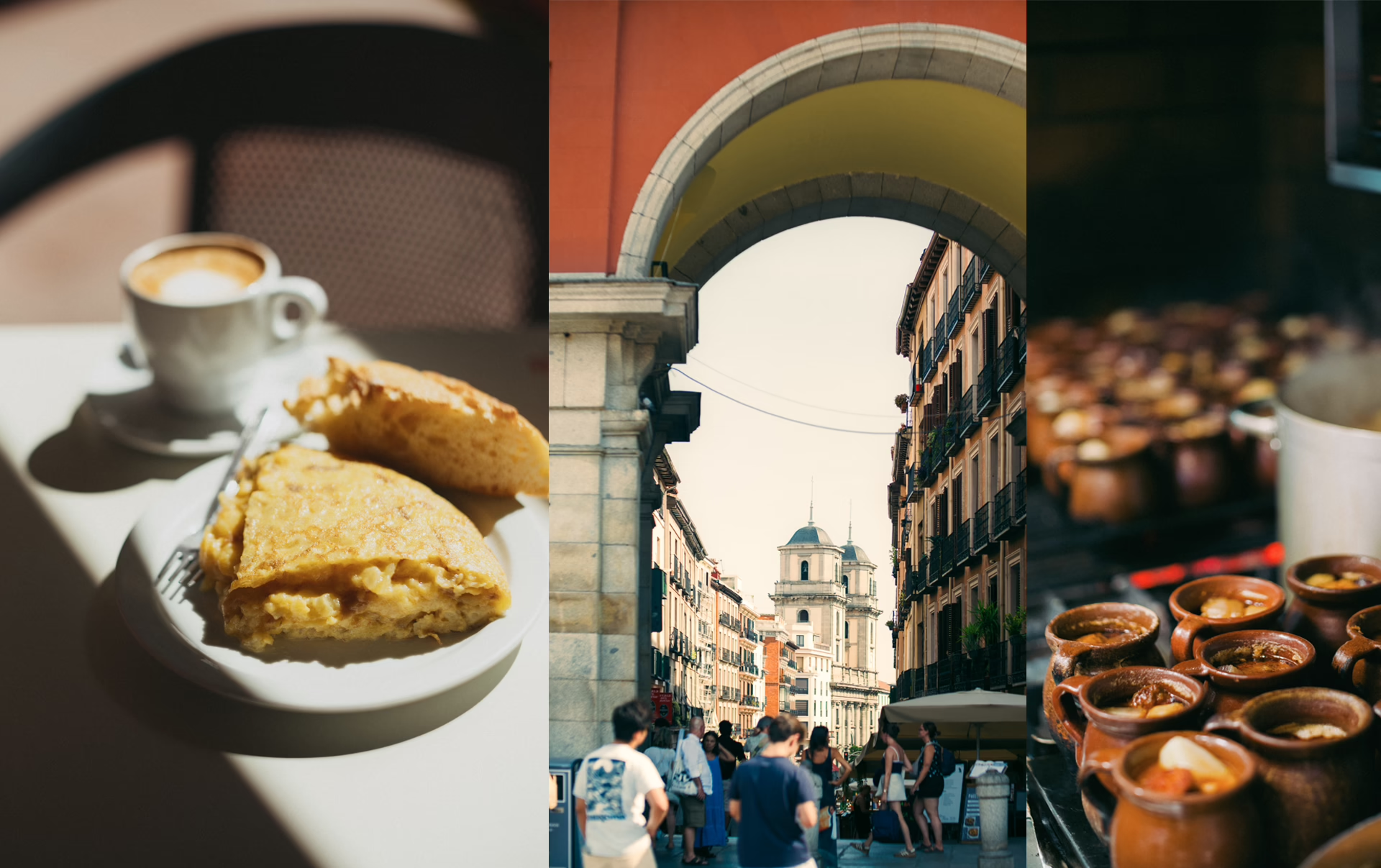
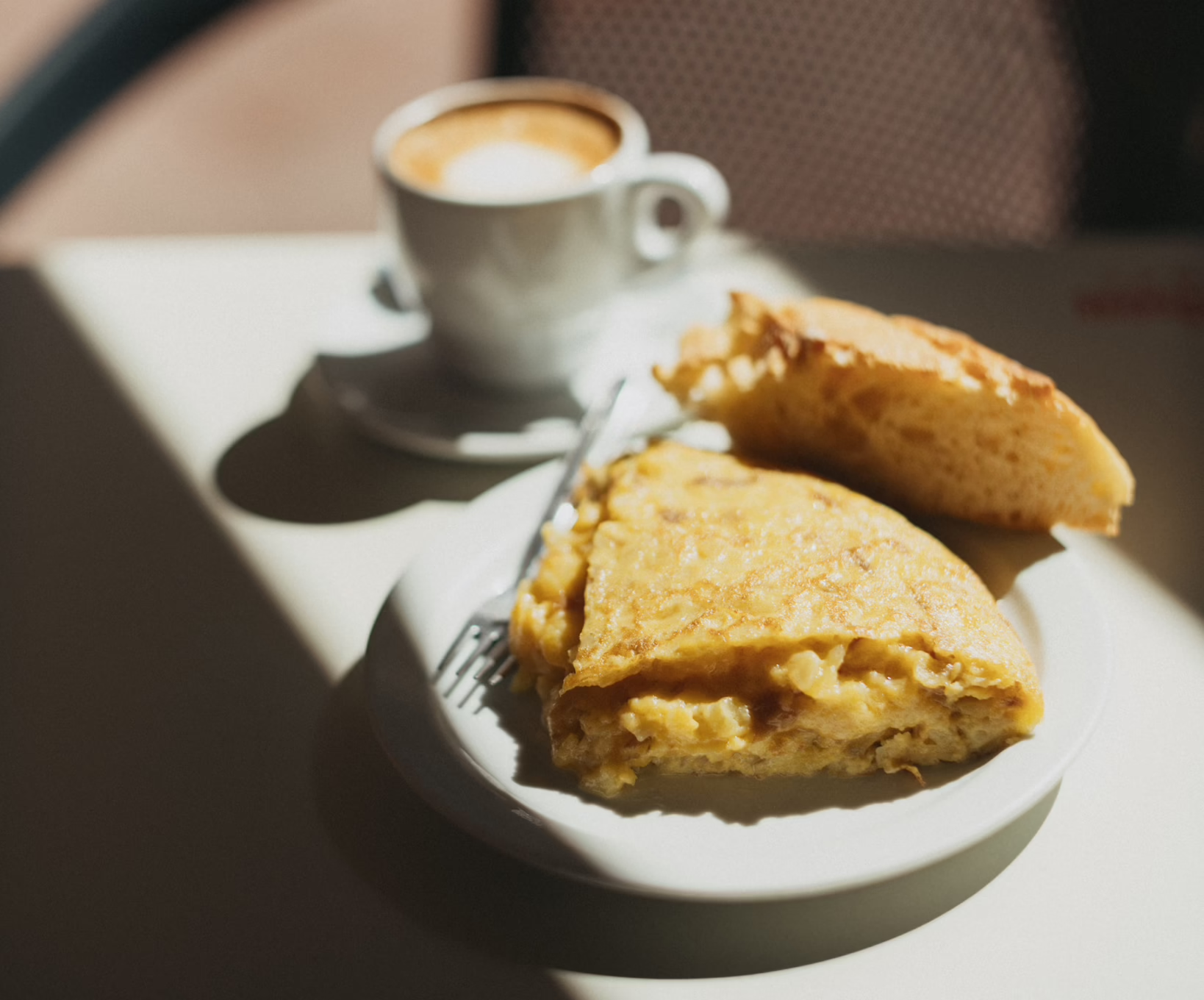
With the rising sunlight ricocheting off buildings, we stroll there with one thing in mind: tortilla de patatas. For such a seemingly simple dish, the “Spanish omelette” is a serious thing.
Everyone has an opinion and no one agrees – with onion or without; runny or well-set; eaten warm, cold or at room temperature. Made from little more than eggs, potatoes, olive oil and salt, this hearty, economical dish is both comfort food and national argument. While the perfect version may come down to personal preference, there’s no denying that the dish is also deeply rooted in Spanish culture.
Housed in the market, Casa Dani is famed for its signature tortilla with its messy, mashy centre contrasted by a perfectly firm, fluffy exterior.
Opened in 1991 to feed market workers, the family-run stall later won First Prize at the 2019 National Tortilla Championship in Tenerife, turning it into a pilgrimage site for tortilla devotees worldwide.
Leading the second generation of the Casa Dani family, Dani Garcia C. tells me that being amid the market gives the whole experience a special charge. “There is a lot of life in the air – people share the bar and eat next to people of all kinds, and the rest of the stalls are like family,” he says.
As for the onion debate, Casa Dani side-steps the drama by offering both options, though Garcia reveals that “90 per cent of our patrons prefer it with onion”. Certainly, when it comes to patrons, the restaurant has many – and by all accounts, the creamy, triangular tortilla wedge, served with a cut of fresh bread, is well worth the wait.
“There is a lot of life in the air – people share the bar and eat next to people of all kinds, and the rest of the stalls are like family"
Take a pause
As the morning market rush subsides, appetites begin to shift from fork to glass, marking our next gastronomic stop – this time of the liquid variety.
A 25-minute walk leads to Malasaña, Madrid’s bohemian quarter just north of the city’s main avenue. The neighbourhood still carries the spirit of La Movida – the countercultural movement that emerged following the death of Spanish military general Francisco Franco and Spain’s transition to democracy.
At its heart stands Bodega de la Ardosa, a historic tavern that witnessed it all. Opened in1892, this landmark venue feels like a threshold to another era, with its red-painted façade, narrow bar with high stools, and shelves lined with old liquor bottles and canned goods.
It is also one of the city’s most iconic spots to honour la hora del vermut – the prelude-to-lunch custom of gathering shoulder-to-shoulder at the bar for a glass of bittersweet, botanical vermouth.
Like the very bodega we’re in, this appetite-rousing tradition reaches back to the late 19th century, and in recent years has found fresh life across Madrid, where vermuterías (bars specialising in vermouth) have reawakened the city’s thirst for the fortified wine.
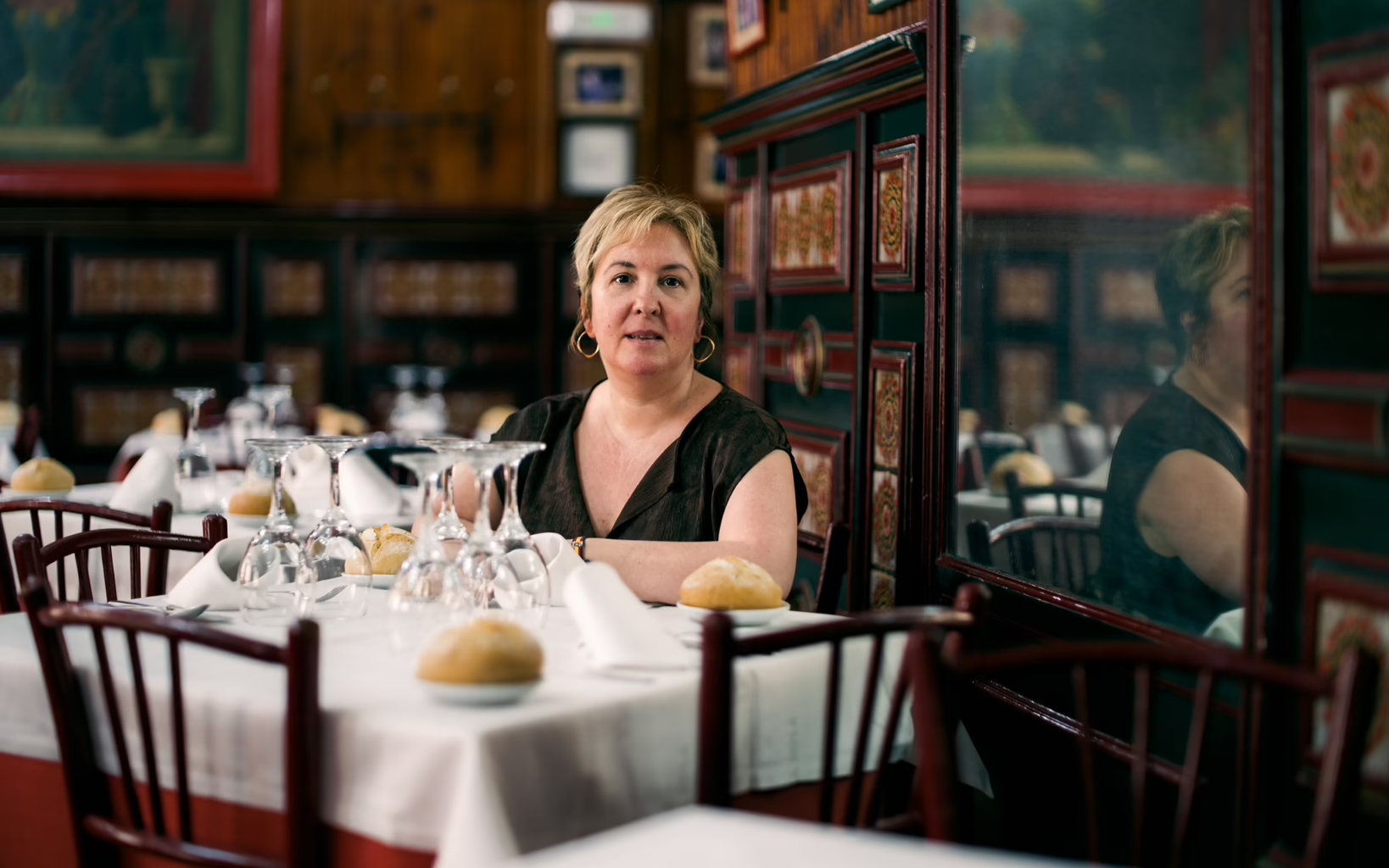
When the vermouth has done its work, we head due west towards La Bola, the historic, wood-panelled taberna where cocido madrileño (chickpea-based stew) has been the house signature since its opening in 1870.
For owner Mara Verdasco, the iconic dish is inseparable from the city that made it famous. “Cocido is a dish that brings together diverse traditions, and cultural and culinary contributions from Spain’s various regions,” she says. “Like our city, it allows for many variations in ingredients and serving styles. It’s welcoming, just like Madrid.”
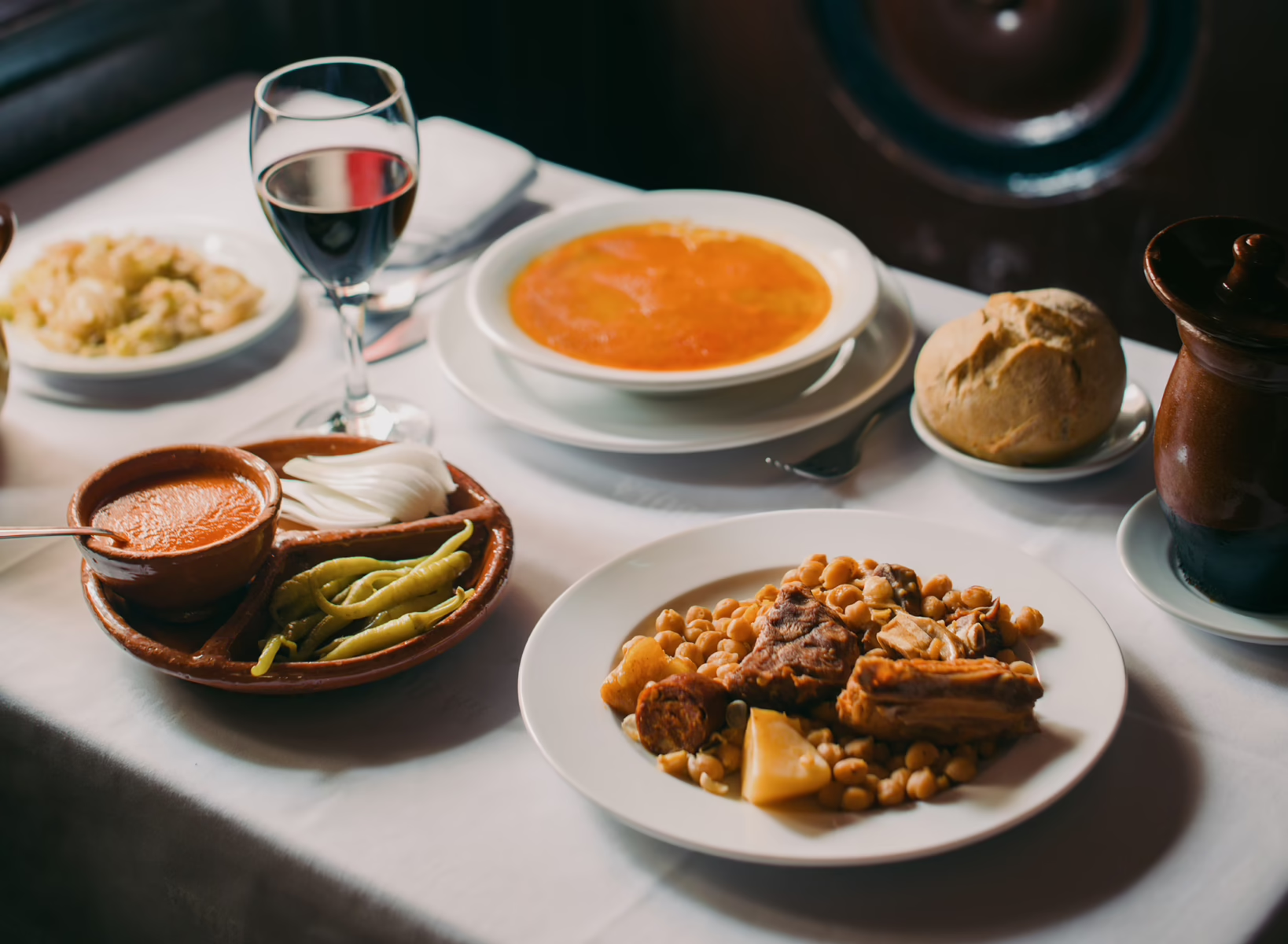
A traditional stew, made with rich broth, chickpeas, vegetables and assorted meats, this culinary symbol of Madrid is served in vuelcos, or separate courses.
First comes the full-bodied, deeply savoury broth with fine fideo noodles, followed by perfectly softened chickpeas and vegetables, and finally, the hearty selection of tender, richly flavoured meats.
La Bola takes stewardship of the dish’s cultural heritage seriously. Each serving is slowly cooked in an individual clay pot over low-flame embers of holm-oak charcoal, following the same method that the restaurant has preserved across four generations.
Unhurried and inherently communal, the meal is best followed by sobremesa – the Spanish tradition of lingering at the table over conversation long after the last bite.
Verdasco adds: “Madrid is a fast-paced city, but cocido allows you to pause and step back from that hectic lifestyle.”
“Cocido is a dish that brings together diverse traditions, and cultural and culinary contributions from Spain’s various regions. Like our city, it allows for many variations in ingredients and serving styles. It’s welcoming, just like Madrid"
No reservations
Hours later, we are full and sleepy – and so is the city. Shops pull down their shutters and the post-lunch lull known as siesta sets in. But by early evening, appetites return, and we’re off to Mercado de Vallehermoso in the Chamberí neighbourhood for tapas.
By 2015, the rise of large supermarket chains left this once-bustling market – built in 1933 – with two-thirds of its stalls vacant. Facing possible closure, the surviving vendors made a bold pivot to invite young culinary entrepreneurs to set up shop in the vacancies.
Today, its old market bones feel newly alive with traditional fishmongers, butchers and produce stalls juxtaposed against the avant-garde chefs who helped shape the market’s renaissance.
With old and new Madrid side by side, it’s the perfect stop for a nibble and apéritif before heading, as one does in Spain, to a spectacularly late 9pm dinner with chef Javi Estévez, who pushes that intergenerational conversation even further.

At La Tasquería, which opened in 2015 and received a Michelin star in 2019, Estévez brings Madrid’s near-forgotten casquería (offal) tradition back to the table. “Madrid has always been a city where offal has been very present,” he tells me.
Considered taboo in some cultures and a delicacy in others, nose-to-tail eating is deeply rooted in Madrid’s working-class history. Over time, though, it lost favour with younger generations. “Offal gradually disappeared, and so did the butcher shops in the market where these products were bought,” he says.
What has disappeared, Estévez believes, is worth fighting to recover. His work revives that culinary history with confidence and innovation, turning what many diners once avoided into one of Madrid’s most exciting modern meals. “If we had stuck to traditional casquería, surely many people wouldn’t have dared try our restaurant,” he shares. “You set the limit yourself.”
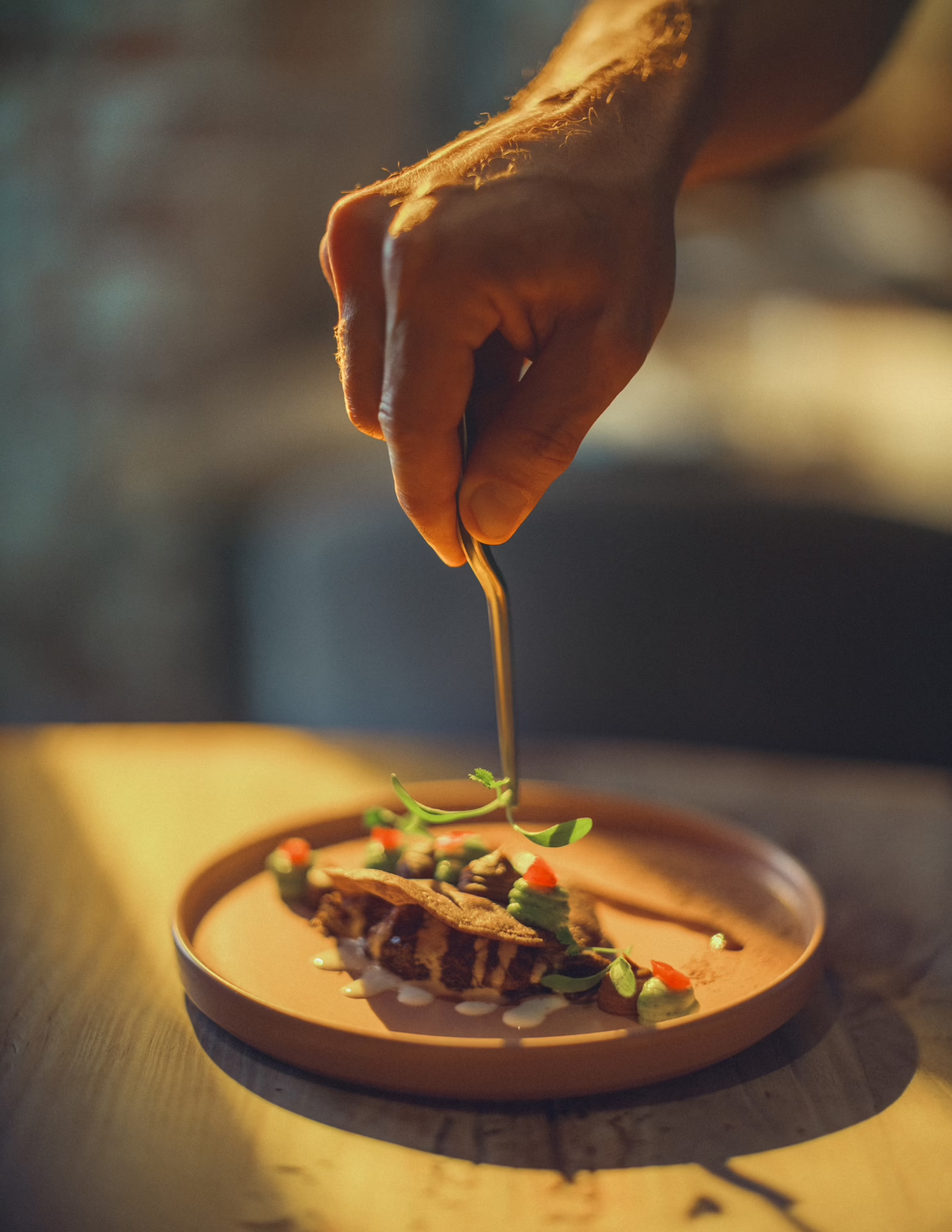
After a daring – and thoroughly rewarding – dinner, we save room for one last indulgence that, despite the late hour, would be sacrilege to skip: churros con chocolate. Fortunately, Madrid’s churrerías keep late hours, with many open around the clock.
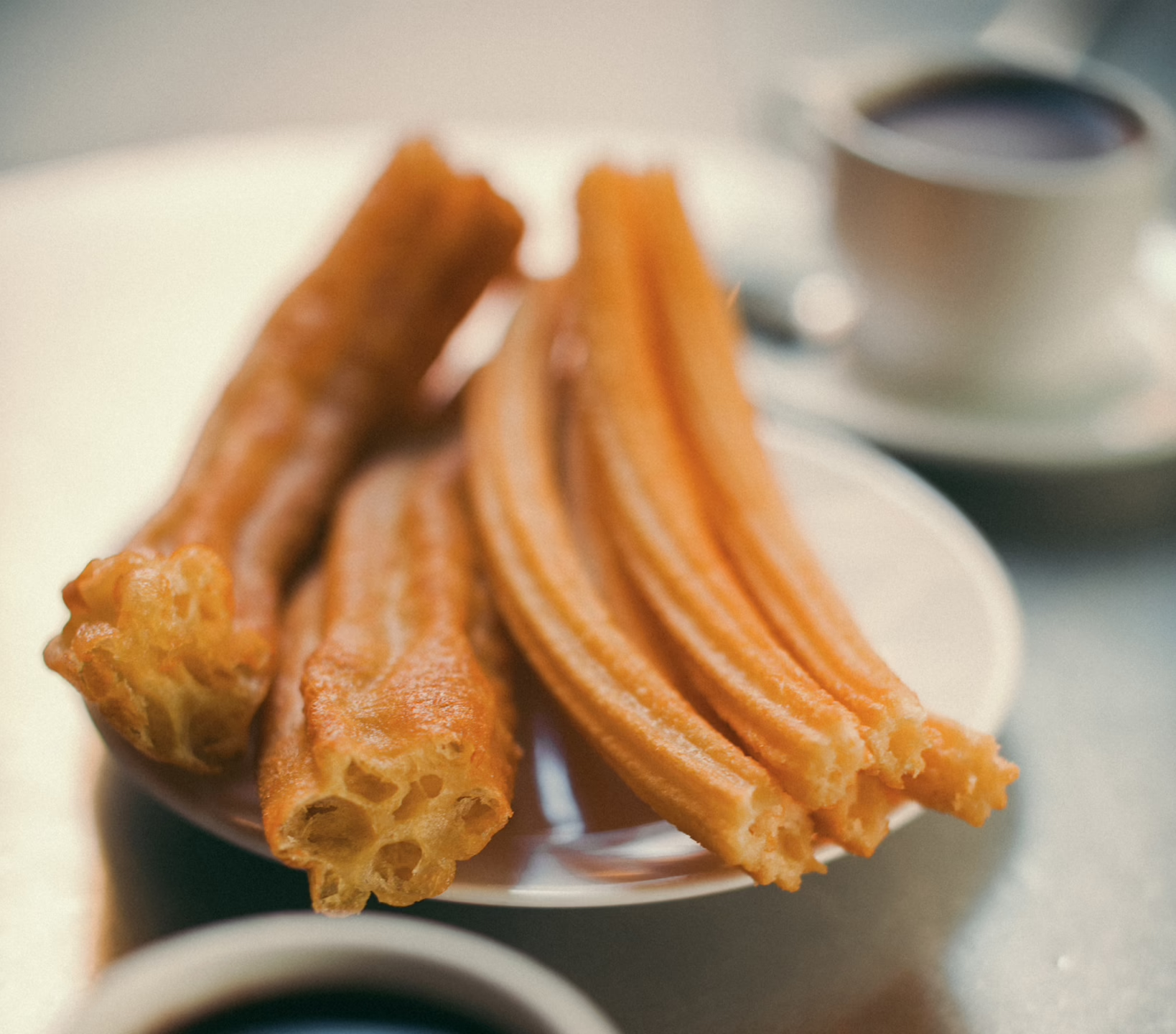
While churros have long been a staple of Spanish gastronomy, their now-iconic pairing with chocolate a la taza – a thick, velvety hot chocolate served for dipping – gained popularity around the turn of the 20th century, when institutions such as Chocolatería San Ginés helped cement the tradition.
With queues often snaking around the block, people visit this legendary spot at all hours to sit at its time-worn marble tables, where stories have been shared over this luxurious treat for more than a century.
The churros arrive warm, crisp yet airy, and not overly sweet – ready to be dipped into dark, molten chocolate that clings to each ridge.
“Madrid is a place where you can find everything from ultra-modern restaurants to historic ones. We all have our place, and we all contribute to making Madrid’s culinary culture grow ever richer"
As we savour the last lush bite, Mara Verdasco’s words ring back: “Madrid is a place where you can find everything from ultra-modern restaurants to historic ones. We all have our place, and we all contribute to making Madrid’s culinary culture grow ever richer.”
That is the Madrid we have come to know: a city where history is cherished, innovation is welcomed and, no matter the table, no one seems to be in any hurry to leave.
Explore Madrid’s best attractions
First time here? Whether you’re sightseeing, shopping or dining, these iconic landmarks deserve a spot on your itinerary.
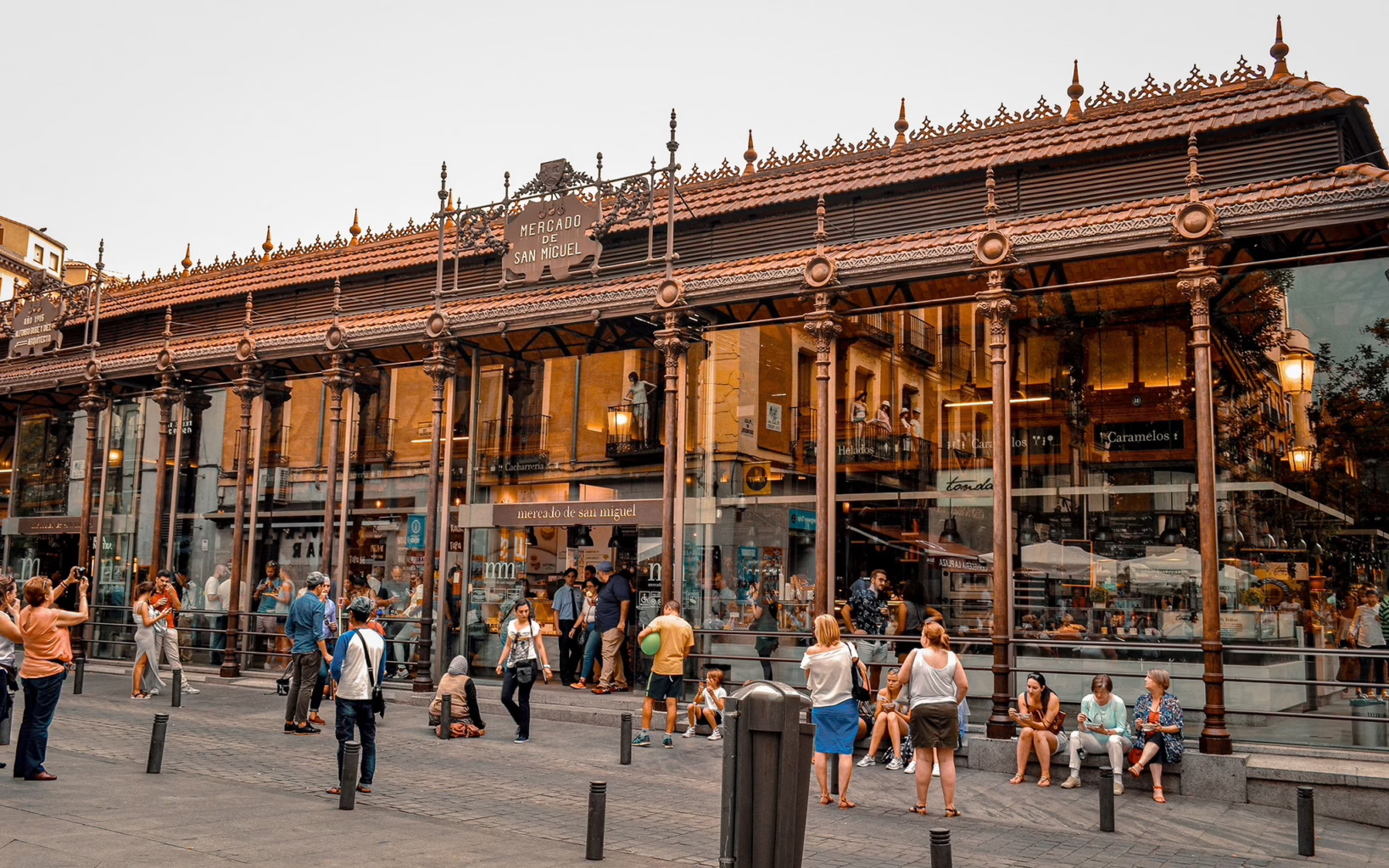
Mercado de San Miguel
Since 1916, this historic market has been serving locals and visitors alike, who come here for premium Iberian ham, cheeses and fresh seafood.
There are more than 20 food stalls selling a wide variety of dishes, from meatballs and fries to oxtail xiao long bao.
Plaza de San Miguel, s/n, 28005 Madrid. For more information, click here.
La Puerta de Alcalá
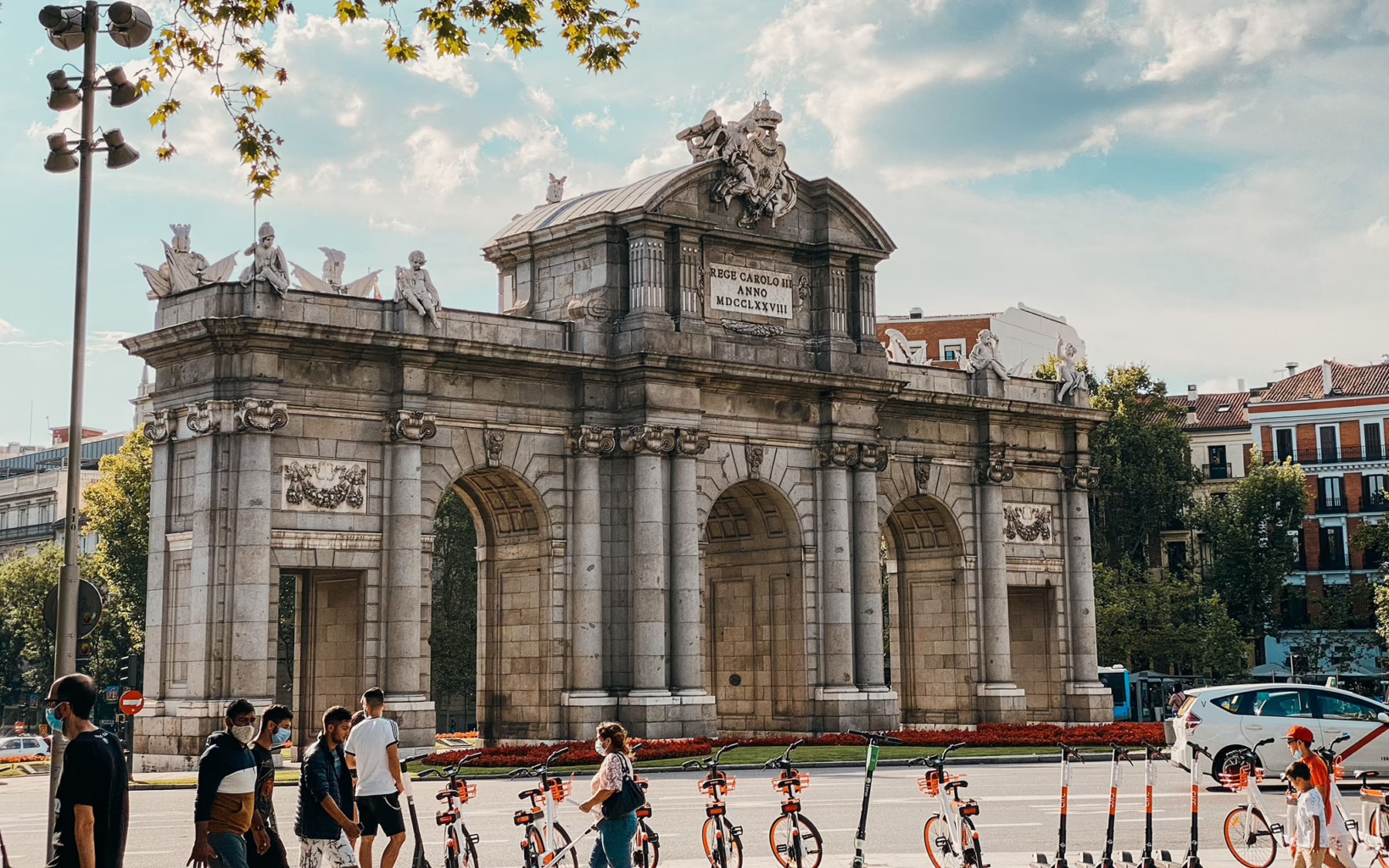
La Puerta de Alcalá is often described as Europe’s first post-Roman triumphal arch.
Designed by Italian architect Francesco Sabatini and completed in 1778, the current structure replaced an earlier gate built in 1599 to commemorate the arrival of Queen Margaret of Austria, wife of Philip III, in Madrid.
Plaza de la Independencia
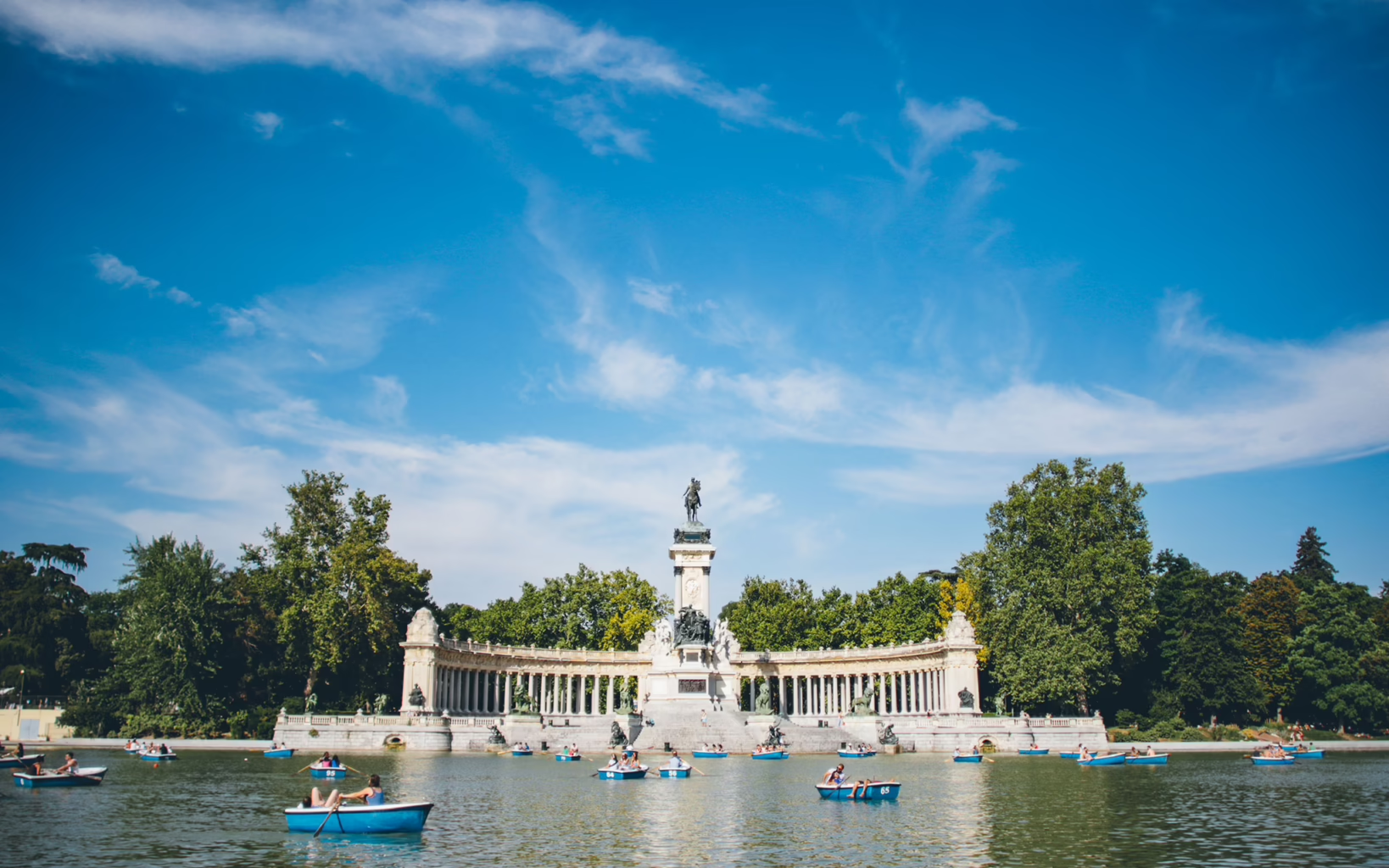
El Retiro Park
Also known as Buen Retiro Park, it is one of Madrid’s largest green lungs, covering around 1.25 sq km.
Before becoming a public park, it belonged to the Spanish monarchy until 1868. Today, it forms part of the UNESCO World Heritage Site, Landscape of Light.
Retiro, 28009 Madrid
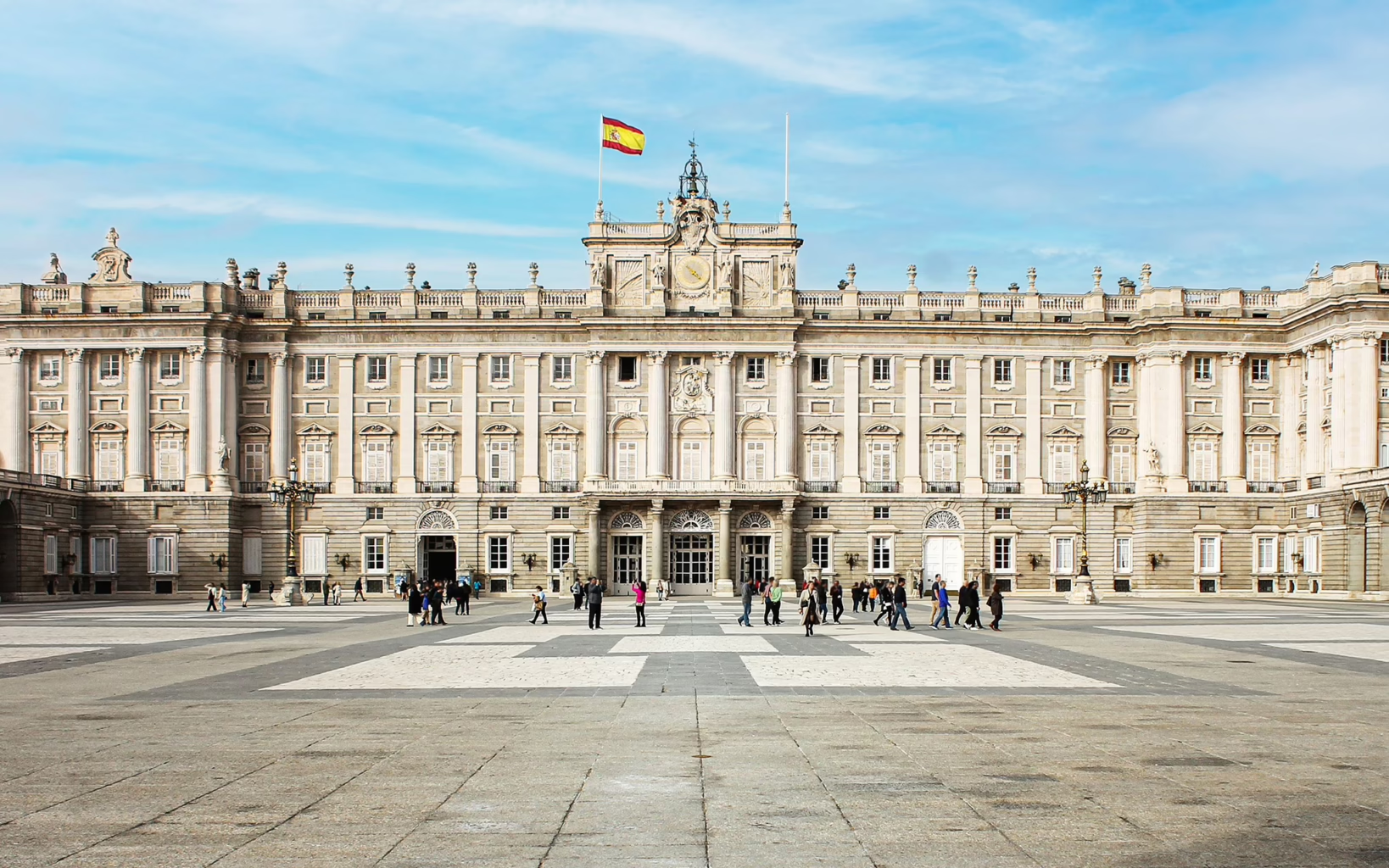
Royal Palace of Madrid
The official residence of the Spanish royal family, the palace is the largest in Western Europe, spanning more than 135,000 sq m of floor space and 3,418 rooms.
Centro, 28071 Madrid
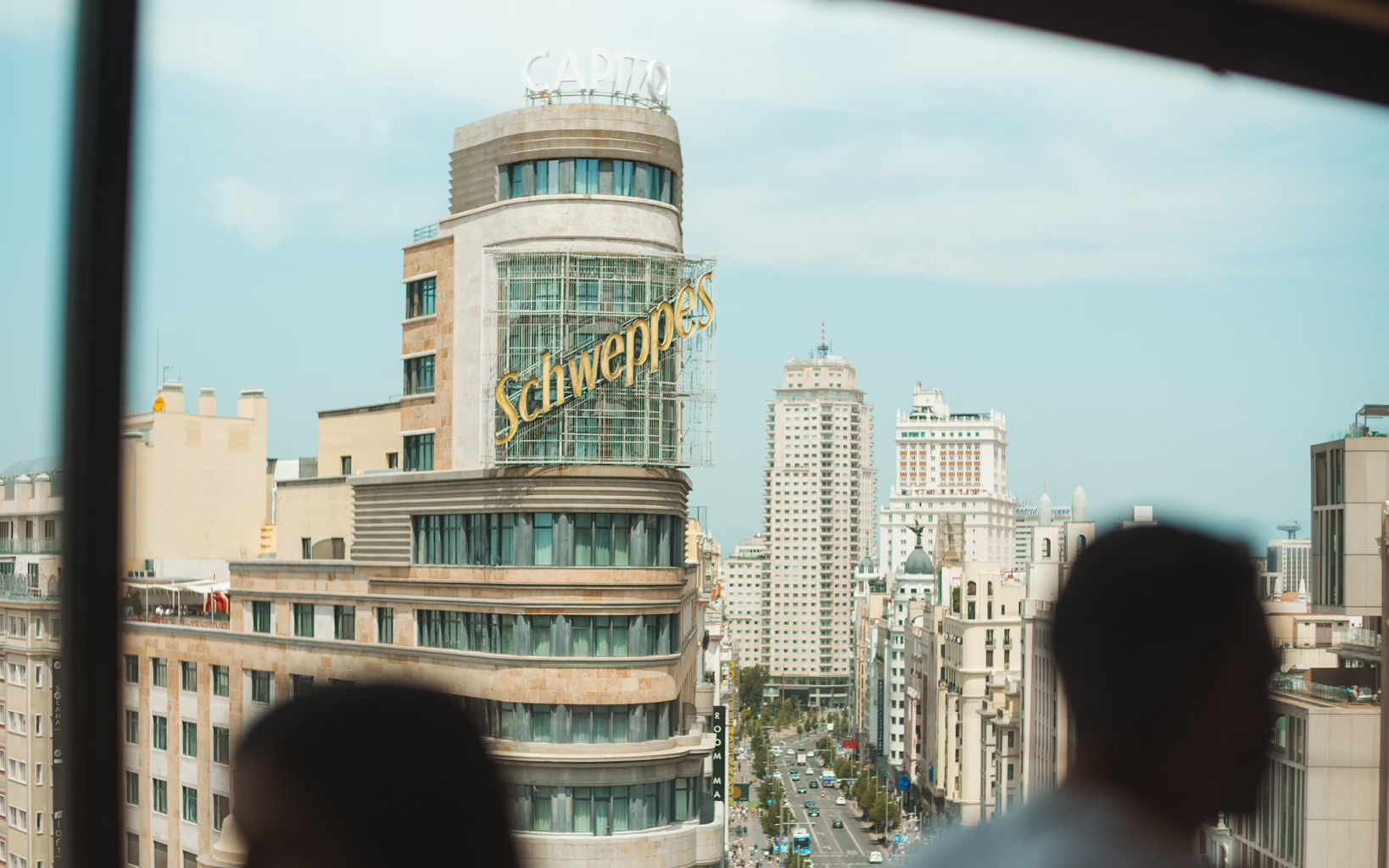
Gran Vía
Flagship boutiques, theatres and rooftop bars line this iconic 1.3km boulevard. Its early 20th-century architecture is home to international fashion brands.
Don’t miss the striking Metropolis Building, designed by French architects Jules and Raymond Février, and inaugurated in 1911.
Calle Gran Vía, 28013 Madrid
Additional reporting: Chelsia Tan
Singapore Airlines flies to Madrid via Barcelona five times weekly from Oct 26, 2026. For more information on Singapore Airlines’ flights to Madrid, visit singaporeair.com.