From the South Indian town of Srikalahasti to the Scottish city of Glasgow, meet the artists keeping this craft of handpainted fabrics alive
Down a narrow lane of quaint old cottages I come across a more modern residence, painted in pink and orange. I step inside. The hallway is piled with traditionally patterned cotton fabric, stacked against the wall or hanging from hooks. Rows of shelves hold paint buckets filled with yellows, reds and indigos. There is an array of brushes of all sizes. Incense permeates the air while the distant chiming of temple bells fills my ears. Further in, men and women are sitting on the floor, engrossed in their art.
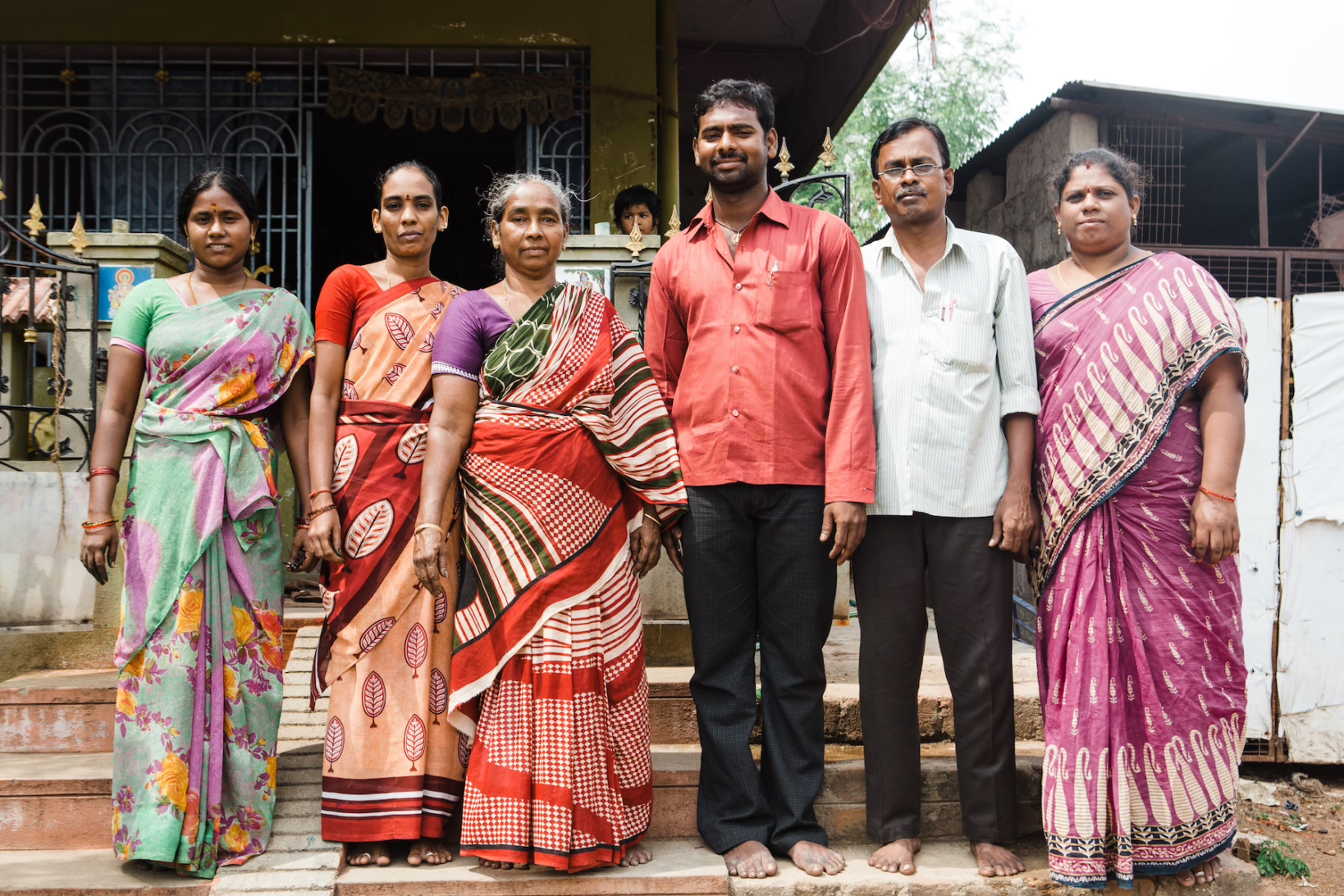
This scene of creative chaos is the renowned Sri Vijayalakshmi Fine Kalamkari Arts studio in Srikalahasti, a uniquely important space for the fine – and endangered – art of Kalamkari. I’m in town to meet award-winning Kalamkari artist M Viswanatha Reddy and G Chandra, who manages this family-run workshop.

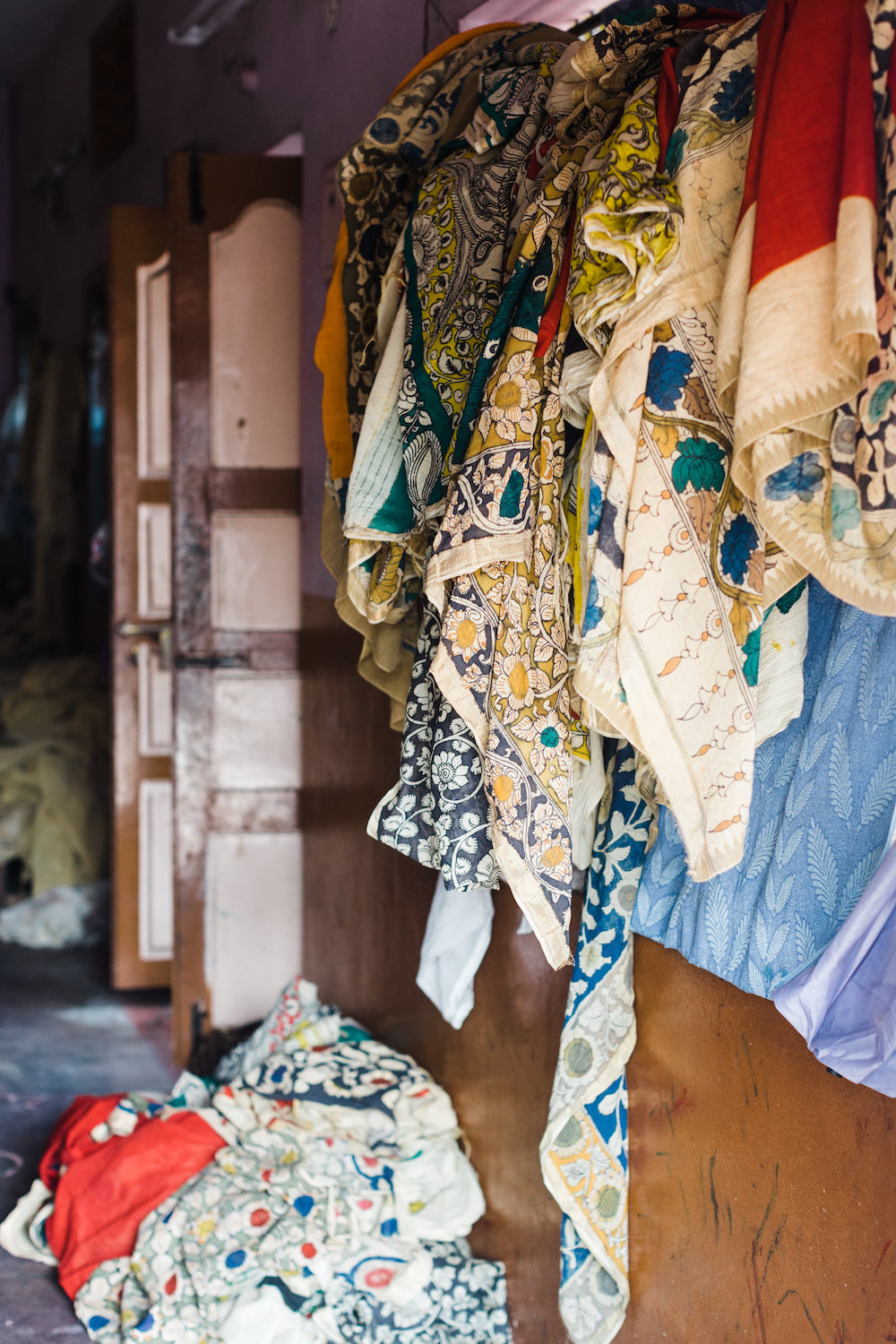
Unfinished pieces lie in wait for finishing touches. Photo: Karthika Gupta
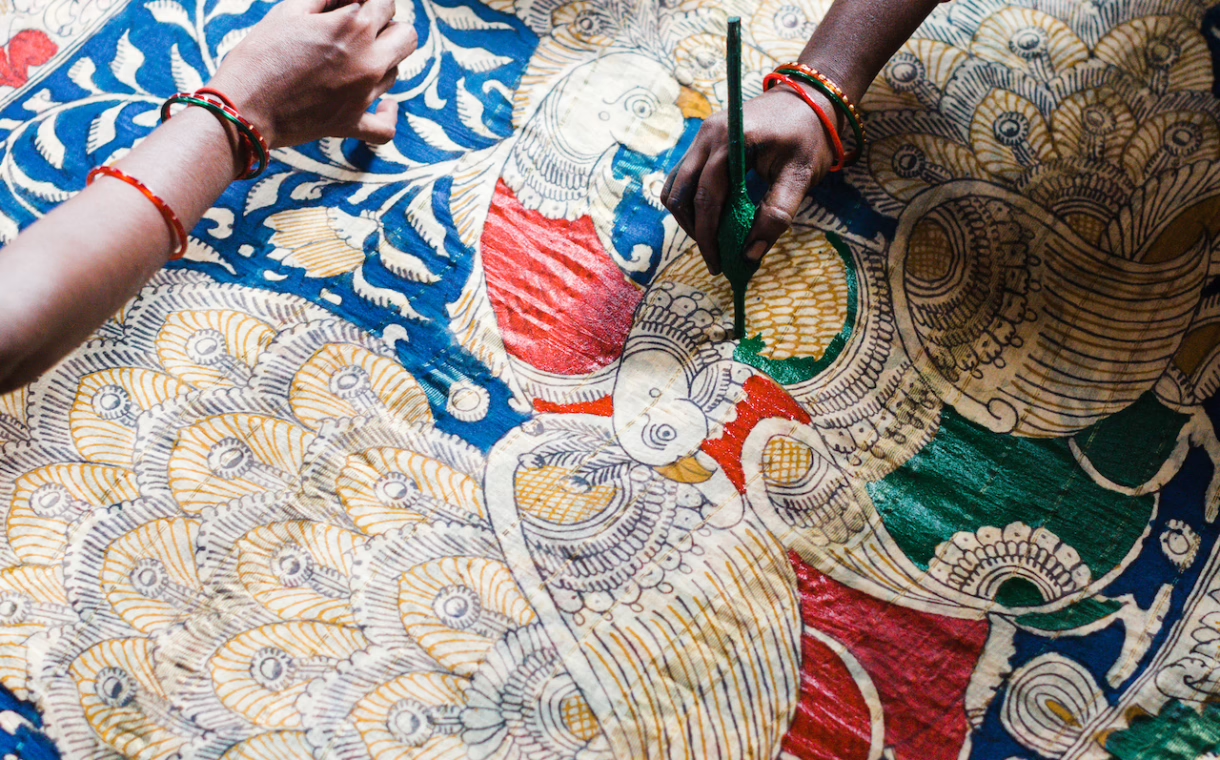
Kalamkari is the intricate art of hand-painting cotton textiles with natural dyes, a traditional craft that involves 23 laborious steps. The word kalam refers to the pen which is used for Kalamkari. This style of textile-making is said to have originated here in Srikalahasti, a small town on the Swarnamukhi river in the Chittoor district of Andhra Pradesh, three hours from Chennai. Srikalahasti is also home to a centuries-old Shiva temple from the Chola dynasty, and the influence of the temple’s murals and sculptures can be seen in many Kalamkari patterns. It’s common to see Kalamkari saris, wall hangings and other decorative items, and common motifs include paisleys, peacocks, flowers and even characters and scenes from the Hindu epics.
The painstaking process of Kalamkari
Chandra explains the labour-intensive steps involved in this beautiful and ancient art. First, artisans wash cotton fabric in river water from underground bore wells. They believe that the particular chemical composition of this water helps fix the dyes in later steps. After the fabric dries, an artisan will soak it in pindhi, a special paste made with dried flowers mixed with buffalo’s milk. This colours it yellow and helps stop the dyes from bleeding.


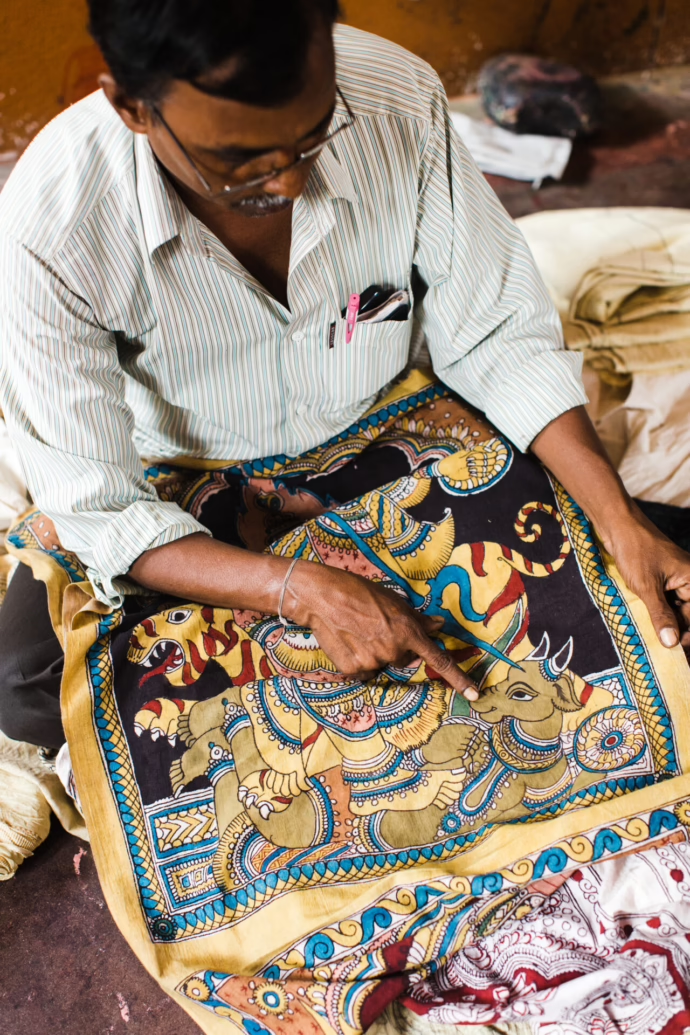
Pencilling in the details. Photo: Karthika Gupta
Once dry, the base Kalamkari cloth is ready to be painted. “We use burnt tamarind bark to draw outlines onto the fabric,” explains Reddy, who received a National Artist Award from the Government of India for his artistry. These outlines are then brought alive with the vibrant colours for which this textile is famous. Kalamkari’s beautiful hues are derived from an inventive range of materials: jaggery and bits of rusted iron produce black ink; red comes from alum; flowers of the succulent plant karkai make yellow dye; katha (from acacia trees) produces brown; and boiling chawal kodi (a kind of tree vine) with alum and water makes pink.
“The art of Kalamkari is vigorous and time-consuming and there are many steps before and after the paintings are complete,” notes Chandra. The fabric is washed after each colour application, so pieces may need up to 20 washes and take several days to finish. It’s a technique that has been developed over countless generations.

Different dry herbs flowers and seeds that give natural colours. Photo: Karthika Gupta
Beauty born from imperfection
“What makes the hand-painted Kalamkari of Srikalahasti so special is that it is still made today as it was hundreds of years ago, completely by hand, using natural colours and dyes,” says Anita Reddy, the honorary president and founding trustee of Dwaraka, an NGO dedicated to promoting this iconic craft. This natural, traditional, human process means the final colours in each piece are unique. They change according to the treatment of the cloth and the quality of the colour fixer, so there are inconsistencies, smudged lines and minor bleeds in the fabric.
“But this is the beauty of hand-painted Kalamkari – the imperfections. They speak to the human element in its production,” says Ayush Kejriwal, a Glasgow-based Indian designer who works with a group of Kalamkari artists to create unique traditional outfits. His Kalamkari designs are some of the most popular pieces in his collection, because customers want exclusive heirloom pieces for special events like weddings.


The designer himself. Photo: Ayush Kejriwal
It’s also important to Kejriwal that customers know how to care for these unique textile treasures such that they may last (at least) a lifetime. “True hand-painted pieces have a distinctive smell due to the proteins in the milk used in the process – that’s how you can tell they are authentic. To deal with this, simply air it out in a room with a few incense sticks for a day or two.” Kalamkari textiles should be washed with a mild baby shampoo and warm water, and left to air after ironing. They are best stored in a muslin cloth with silica gel to absorb excess moisture.
At the end of the day, we all want to keep the kalam, and hence the power, in the hands of the artist – because that’s where it truly belongs.
Protecting an endangered heritage craft
Kalamkari is such a complex textile, both to produce and care for, that it’s in danger of disappearing. Due to the intricacies of the process and difficulty in making a decent living from it, traditional Kalamkari is declining in rural communities like Srikalahasti. Many artists have abandoned their craft in search of better employment opportunities. Large-scale commercial production and machine-generated Kalamkari designs are another threat, flooding the market and devaluing the price of authentic work. This puts a lot of pressure on artists like Chandra and Viswanatha, making it harder to support their families.
However, the Crafts Council of India, the Indian government and organisations like Dwaraka are determined to revive and protect Kalamkari, in the belief that traditional arts are an integral part of India’s rich culture and heritage. “At Dwaraka, our objective is twofold: offer vocational training to craftspeople – especially women in a trade that has historically been male-dominated – and equip them with the resources to run a profitable business,” says Reddy.
High-end international designers such as Kejriwal also have an important role to play in maintaining the market value of this precious craft. “I don’t do any mass production. My work is a true collaboration with the master craftsmen who bring my designs to life. I list how many man hours each product takes to make and publish profiles of the artists who work on them so my customers know who is making their clothes.”
As Reddy notes, “At the end of the day, we all want to keep the kalam, and hence the power, in the hands of the artist – because that’s where it truly belongs.”
Where to find Kalamkari
In Srikalahasti, a three-hour drive from Chennai, swing by the Sri Vijayalakshmi Fine Kalamkari Arts in Andhra Pradesh, Chittor to meet the featured artists and view their work – which are also available for purchase.
In Chennai, the Kalakshetra Foundation (supported by the Ministry of Culture Government of India) holds workshops and classes on the art of Kalamkari.
To learn more or book a flight to Chennai on Singapore Airlines, visit the official website.