Five days, four hotels and a road trip through Malaysia that changed how I feel about travelling
The last time I visited Johor Bahru, I was barely a teenager. Ask me what I did there, and I honestly couldn’t tell you.
That should give you some idea of how little I’ve travelled.
It’s not that I dislike travelling. I’ve just always found the prospect rather intimidating. The planning, unfamiliar surroundings and the thought of navigating somewhere new have often been enough to make me reconsider. Singapore, with its familiar comforts and conveniences, has always felt like the easier option.
But lately, I’ve started wondering what I’ve been missing.
As luck would have it, an invitation arrived to join YTL Hotels on a five-day road trip through Malaysia. The timing couldn’t have been better. Malaysia seemed like a good place to start: close to home, culturally familiar in many ways, yet with far more to experience than I’d given it credit for.
Our journey took us through Muar, Malacca, Seremban and Kuala Lumpur before heading east to Terengganu. Along the way, there were memorable meals, historic hotels, unexpected cultural encounters and enough time on the road to appreciate how dramatically the scenery changes between Malaysia’s cities and coastal towns.
I discovered Kristang cuisine in Malacca, explored a different side of Kuala Lumpur, learnt to prepare traditional Malay dishes in Terengganu and somehow found myself participating in an elaborate floral bathing procession, complete with kompang drumming and an audience.
The road trip also introduced me to the pleasure of making stops simply for good food. There was Elephant Bean Coffee at Sai Kee Kopi 434 in Muar, cendol at Haji Shariff Cendol in Seremban and a satisfying lunch at Kuala Lumpur’s longstanding Capitol Café.
By the end of five days, I’d travelled further around Malaysia than I ever imagined I would, and found myself looking forward to doing it again.
Whether you’re planning a similar road trip or simply looking for somewhere to stay on your next short getaway to Malaysia, here are four hotels worth considering.
Four properties, four different experiences
1. The Majestic Malacca: For a taste of old Malacca
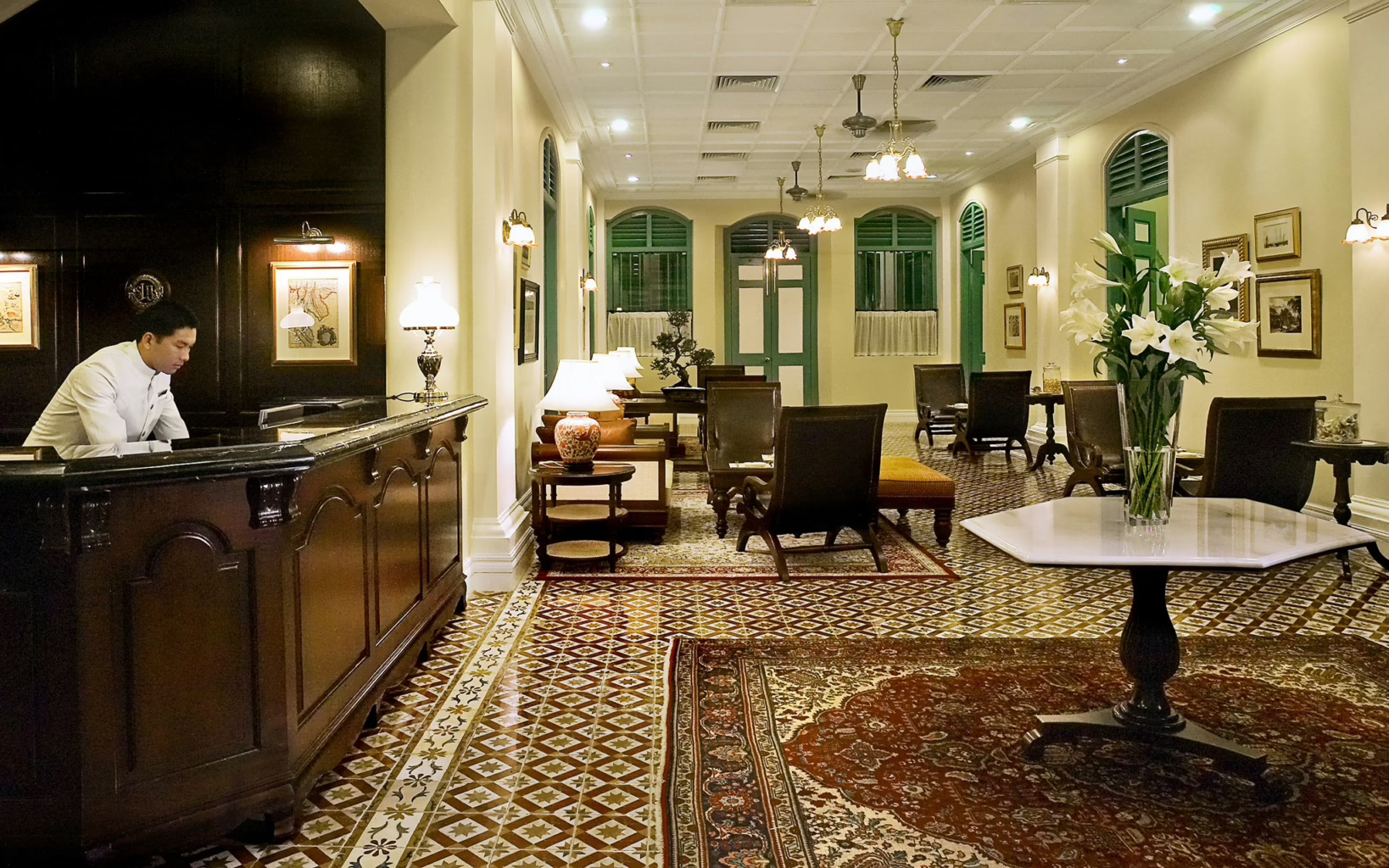
The experience: Our first stop was The Majestic Malacca, a beautifully restored 1929 mansion that once belonged to Chinese businessman Leong Long Man.
Stepping inside, I was immediately taken by its polished wooden floors, intricate Peranakan-style tiles, traditional green shutters and period furnishings. The building’s Straits and Neoclassical architecture recalls Malacca’s multicultural past, but it was the experiences within the hotel that brought this history to life for me.
Dinner at The Mansion was my introduction to Kristang cuisine, a culinary tradition developed among descendants of Portuguese settlers and local communities. Combining European influences with Malay ingredients and cooking techniques, it offers flavours quite different from the Malaysian food most Singaporeans are accustomed to.
I was introduced to dishes such as kari debal, a fiery, vinegar-spiked devil curry; inchimintu karangezu, baked crab shells stuffed with crabmeat, chicken, prawns and vegetables; and cincalok fretris, crispy fritters flavoured with fermented krill.
The hotel’s Kristang Afternoon Tea offered another delicious introduction to this heritage, with Portuguese egg tarts and pulut kung kaya, glutinous rice served with coconut jam, among the treats.
Then came Gin O’Clock, where I prepared a virgin mojito with a Malaccan twist. Instead of conventional sugar syrup, I used gula Melaka, which lent a lovely caramel-like sweetness to the familiar combination of lime and mint.
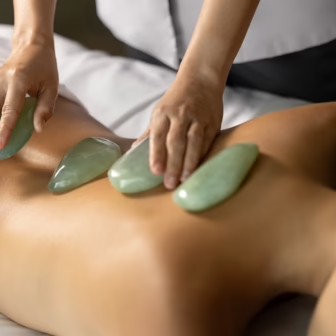
My experience at Spa Village Malacca was equally memorable. Before a 50-minute Malay massage, I underwent a ritual inspired by traditional Peranakan wedding customs, involving hair washing, combing and a wonderfully soothing scalp massage.
I’d arrived knowing Malacca primarily for its historic landmarks and famous food streets. I left with a greater appreciation of the lesser-known traditions that have shaped the city.
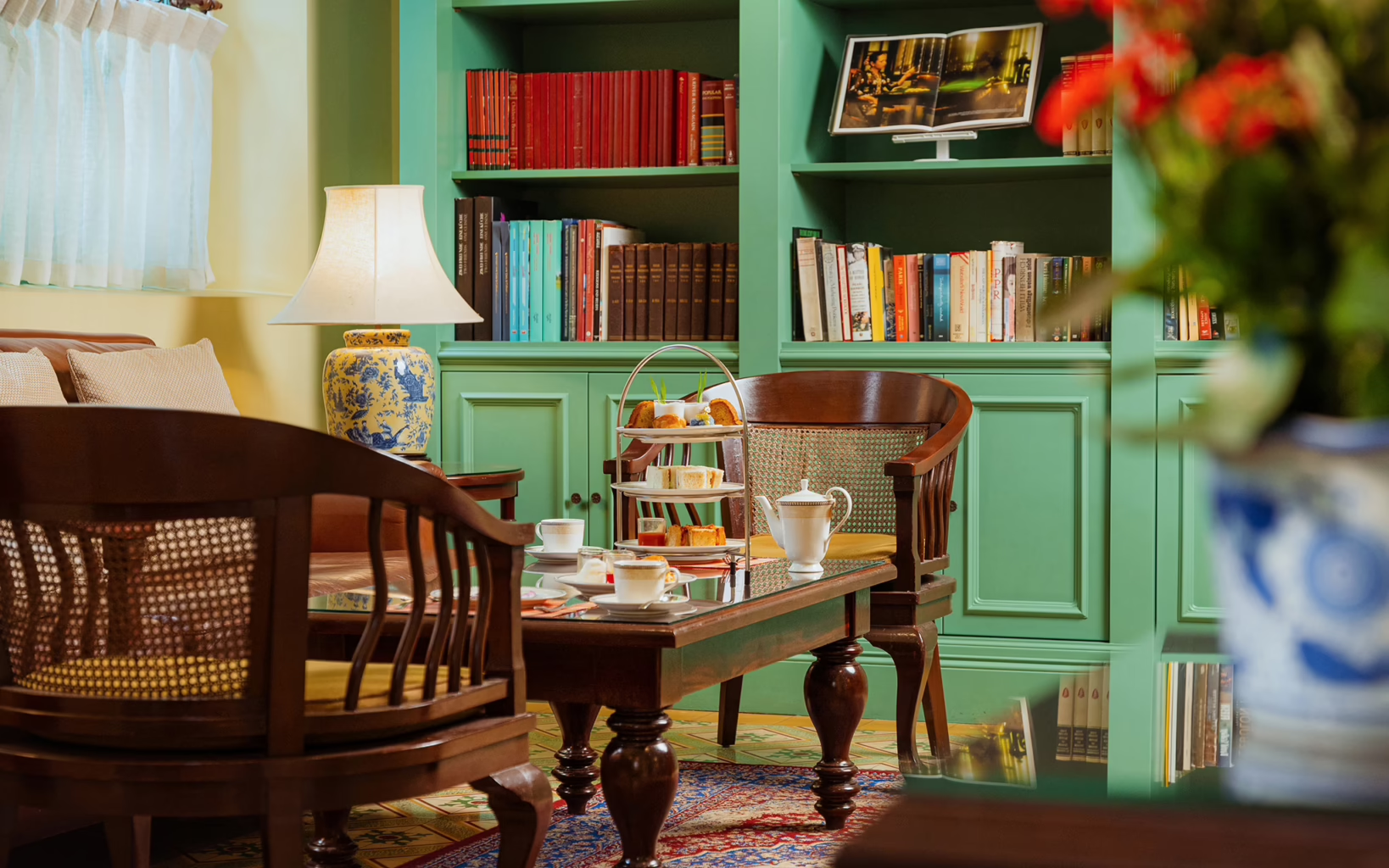
Fun fact: The Majestic Malacca offers an exclusive opportunity to sample Tanqueray Malacca Gin, a limited-edition spirit inspired by an 1839 recipe developed by Charles Tanqueray using botanicals from Malaysia. First released in 1997 and revived in 2013 after gaining a cult following, the gin has a softer, more citrus-forward flavour than the brand’s classic London Dry. Guests can discover it through the hotel’s signature Gin O’Clock experience.
Don’t miss: A meal at The Mansion to experience Kristang cuisine, followed by the Peranakan-inspired spa ritual. The Kristang Afternoon Tea is also worth considering if you prefer something lighter.
Travel tips: The historic centre is compact enough to explore on foot, with Jonker Street, Dutch Square and the riverside attractions making a good half-day itinerary. Consider visiting the popular heritage streets earlier in the day before the crowds build. If you’re visiting over a weekend, Jonker Street’s night market is another reason to extend your exploration into the evening.
What else is nearby? Head to Jonker Street for antiques, souvenirs and street food, or visit the Baba & Nyonya Heritage Museum for a closer look at Peranakan domestic life. Coffee lovers can stop at The Daily Fix Café, known for its pandan pancakes, or Calanthe Art Café, which celebrates Malaysian coffee varieties. For something sweet, check out Curious Bakers for its pastries and baked treats. For more sightseeing, visit Dutch Square, St Paul’s Hill and the ruins of A Famosa. The Malacca River is another worthwhile stop, especially for an evening stroll or river cruise.
Best for: Heritage enthusiasts, curious foodies, couples and travellers who enjoy discovering a destination through its cultural traditions.
For more information, visit The Majestic Malacca.
2. Hotel Stripes Kuala Lumpur: For contemporary KL with neighbourhood character
The experience: After Malacca’s old-world charm, Hotel Stripes Kuala Lumpur offered a refreshing change of scenery.
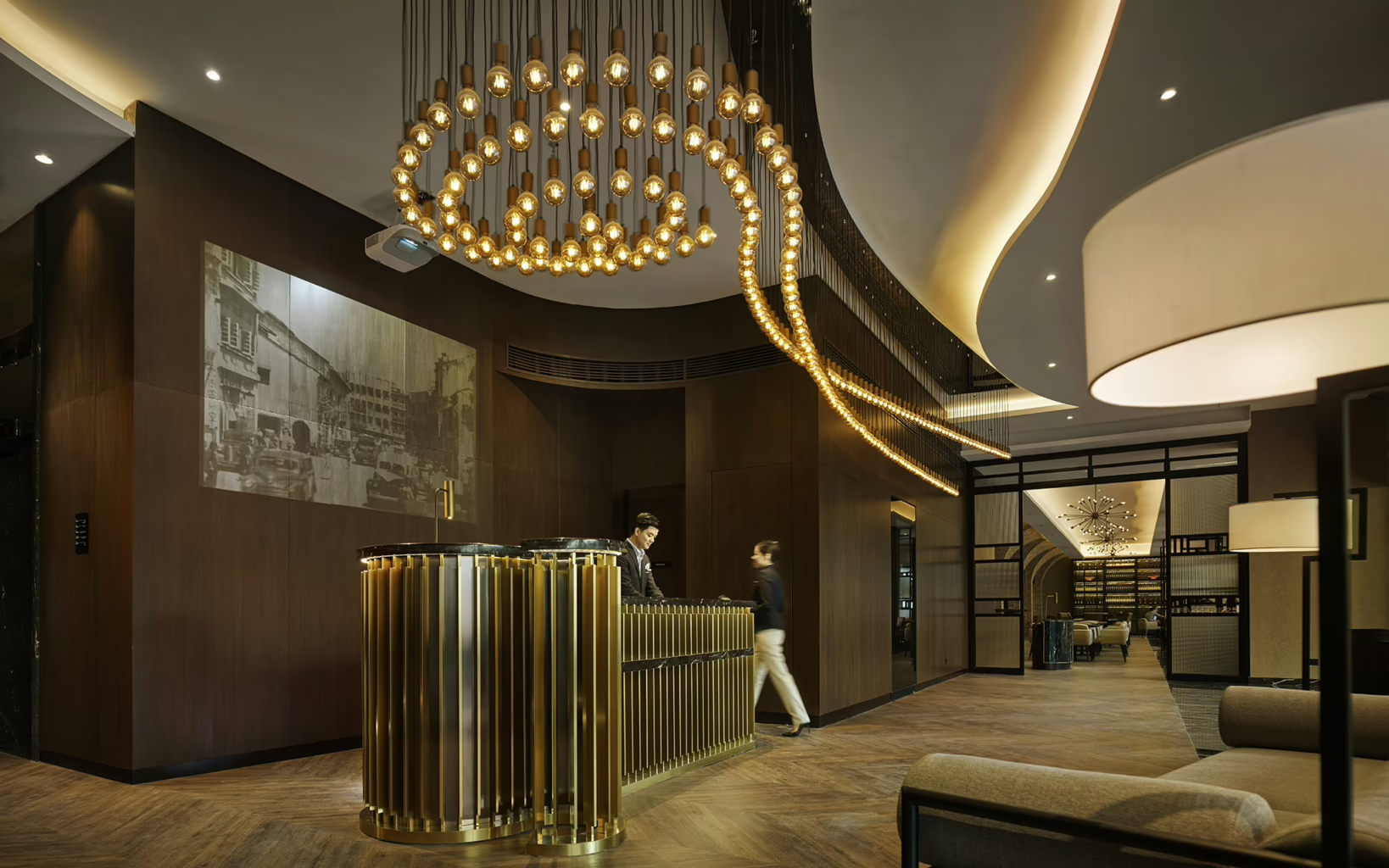
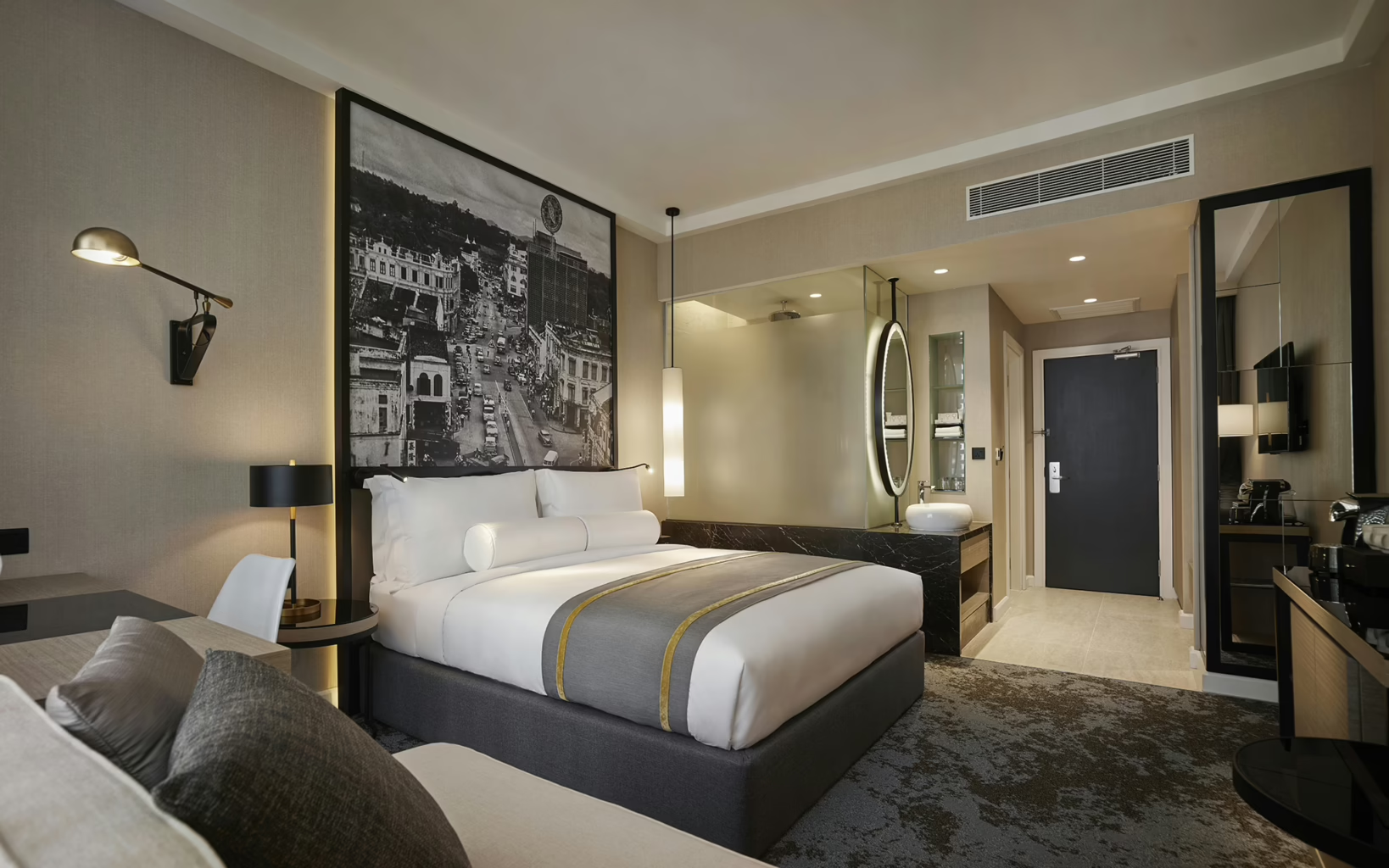
Located along Jalan Kamunting, the Marriott Autograph Collection property has a contemporary, stylish character, with a gold-accented lobby, industrial-inspired interiors and a rooftop bar overlooking the city’s skyline.
But what interested me most was its location.
Until this trip, my impression of Kuala Lumpur had largely been shaped by its enormous shopping malls, skyscrapers and familiar landmarks such as the Petronas Twin Towers, KL Tower and Merdeka 118. Staying at Hotel Stripes introduced me to a neighbourhood where historic shophouses sit alongside independent restaurants, cafés and creative businesses.
A short walk away is The Row, a collection of 22 restored shophouses dating to the 1940s. Once part of the city’s old commercial district, these buildings have found new life as dining, entertainment and lifestyle spaces.
It’s a side of KL that I hadn’t really considered exploring before.
Back at the hotel, breakfast at Brasserie 25 was served amid exposed brick arches, Sputnik chandeliers and dark wooden furnishings. The setting feels more like a fashionable neighbourhood restaurant than a conventional hotel dining room.
Man Tao was another highlight, offering sweeping views of the downtown skyline and a pleasant setting to unwind after a day exploring the city.
For travellers who have visited KL several times and feel they’ve seen the major attractions, this neighbourhood offers a compelling reason to return.
Fun fact: The Row was formerly known as Asian Heritage Row. Its 22 shophouses, built in the 1940s, have been restored and repurposed while retaining much of their original architectural character.
Don’t miss: Spend some time at Man Tao Rooftop Bar for the skyline views, and enjoy breakfast at Brasserie 25 before heading out to explore the neighbourhood.
Travel tips: The nearby Medan Tuanku Monorail Station connects the neighbourhood to Bukit Bintang, making it convenient to combine shopping with a stay in a quieter part of the city. Dang Wangi LRT Station provides another option for exploring KL. If you’re planning a neighbourhood food crawl, Jalan Kamunting and The Row are close enough to cover on foot.
What else is nearby? Start with The Row for restaurants and cafés, then stop by Tapestry for brunch or JOLOKO, a lively Afro-Caribbean restaurant and bar along Jalan Kamunting. Yut Kee, a longstanding Hainanese coffee shop, is another neighbourhood institution worth visiting for its traditional fare. For shopping, Quill City Mall and SOGO Kuala Lumpur are both within reach, while KL Tower offers panoramic views of the capital.
Best for: Repeat visitors to Kuala Lumpur, urban explorers, café-hoppers and travellers who prefer characterful neighbourhoods over conventional tourist districts.
For more information, visit Hotel Stripes Kuala Lumpur.
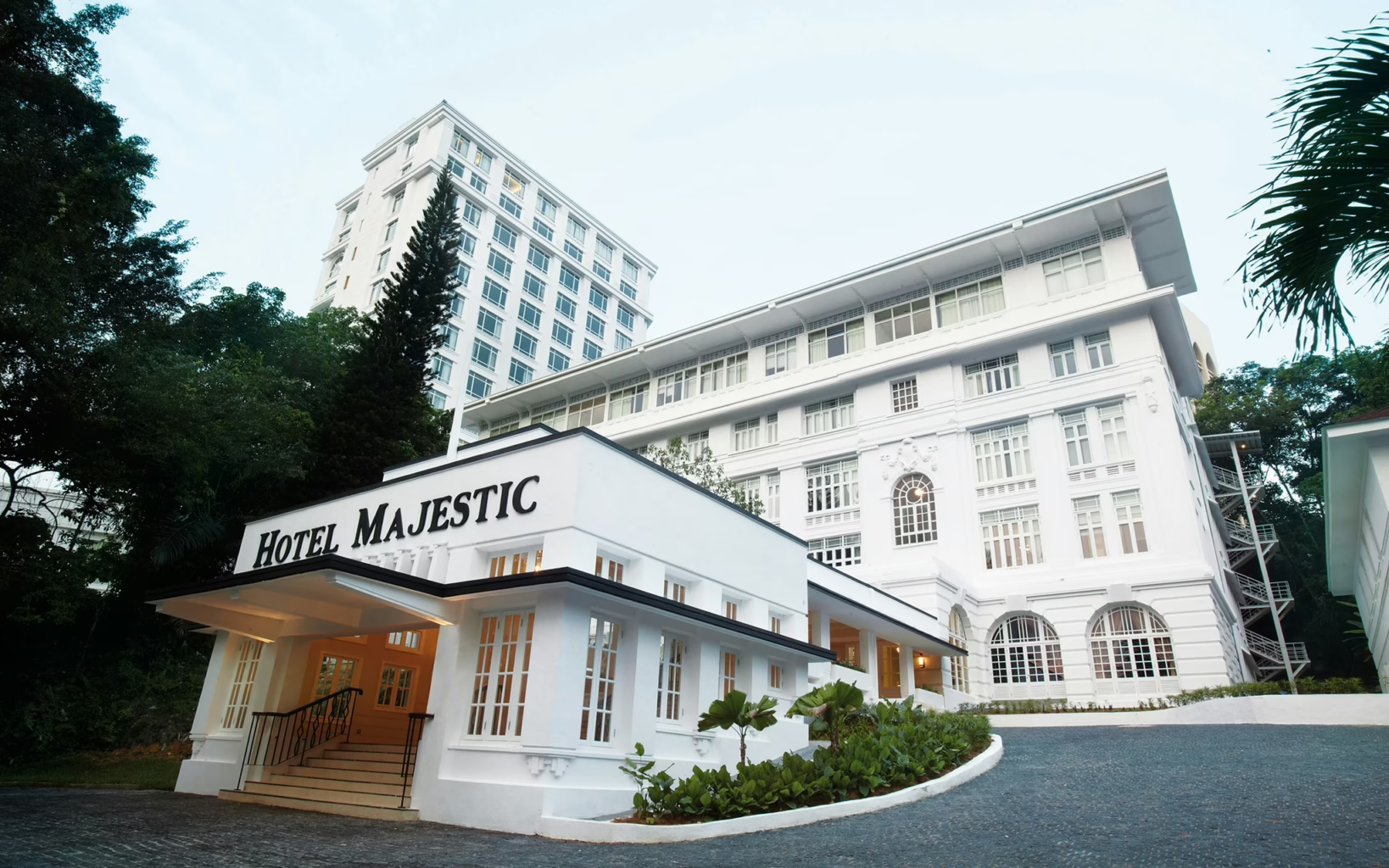
3. The Majestic Hotel Kuala Lumpur: For a taste of old-world glamour
The experience: If Hotel Stripes represents modern Kuala Lumpur, The Majestic Hotel Kuala Lumpur offers a fascinating look at its past.
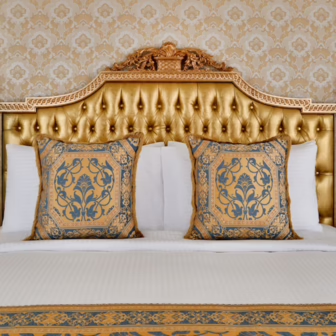
Originally opened in 1932, the hotel was once among the capital’s most prestigious social addresses. Its Neoclassical architecture, Art Deco influences and elegant interiors recall an era when grand hotels were important gathering places for politicians, dignitaries and society figures.
The property has welcomed distinguished guests over the decades, including Malaysia’s first prime minister, Tunku Abdul Rahman, football icon David Beckham and King Charles III, who attended a gala dinner in 2017 while still Prince of Wales.
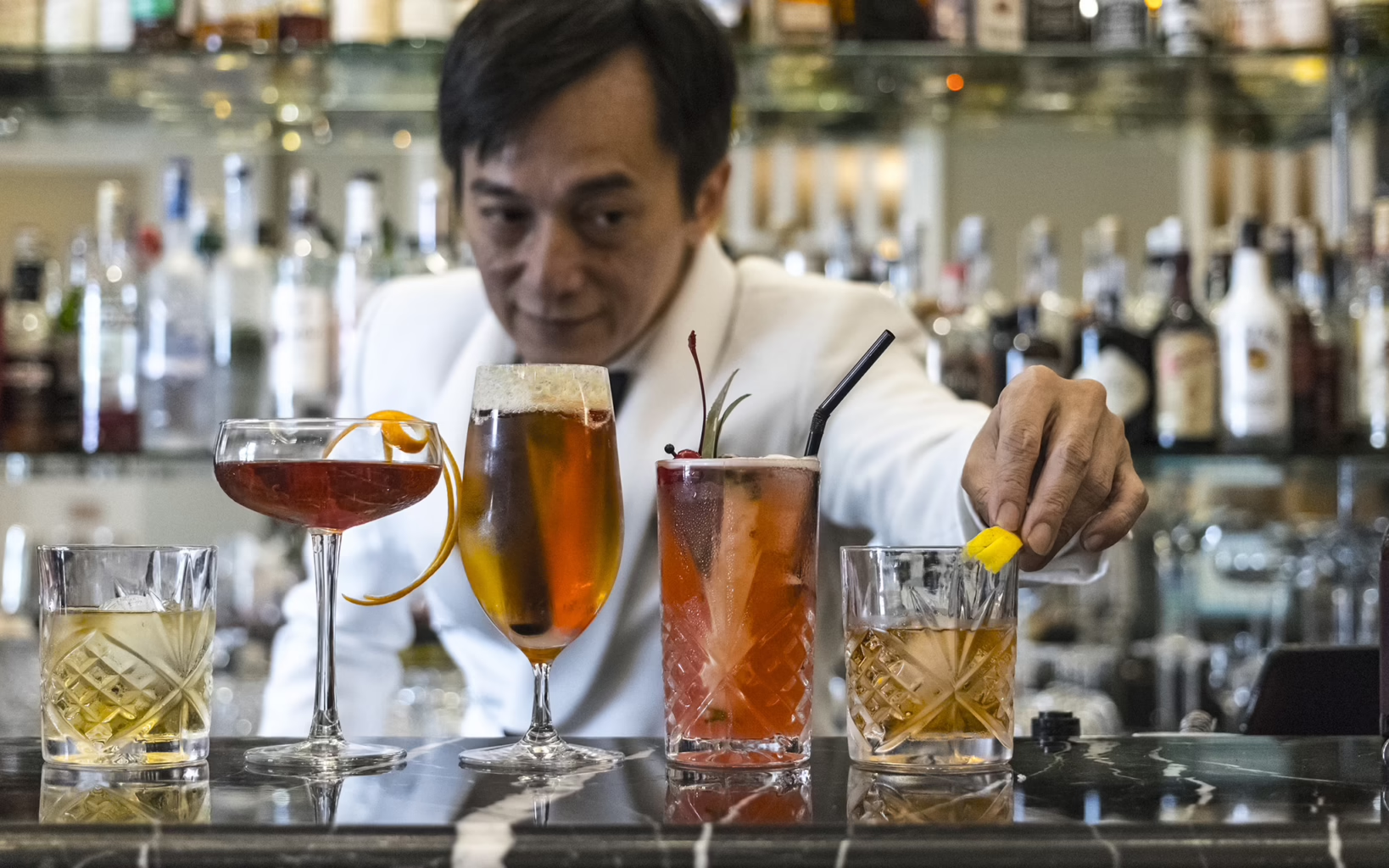
Our visit began with a tour of the property before we met Johnnie the Barman at The Smoke House, an intimate lounge inspired by the 1930s. Hearing him recount stories about classic cocktails and vintage mixology added a personal dimension to the hotel’s history.
Another space that caught my attention was the Orchid Conservatory, a temperature-controlled glasshouse filled with orchids. With its limited seating, lush floral displays and cool interiors, it offers an intimate setting for afternoon tea and leisurely catch-ups. The space has also reportedly been used for intimate wedding ceremonies and solemnisation celebrations, which isn’t surprising given how romantic it looks.
But dinner at the Colonial Café was what I enjoyed most.
We sampled the Colonial Sampler, a five-course menu celebrating Hainanese influences on Malaysia’s colonial-era dining culture.
The meal began with a Hainanese chicken rice ball, followed by a classic prawn cocktail and traditional Hainanese boiled beef soup.
My favourite was the Hainanese chicken chop, coated in cracker crumbs and fried until crisp, then served with garden peas, hand-cut fries and a tangy spiced onion gravy. An English trifle of custard, sponge cake, berries and Chantilly cream rounded off the meal.
Over dinner, Yeoh Pei Xien, a third-generation member of the YTL family, brought the meal to life with anecdotes about her family’s culinary traditions. She shared how family members would pitch in around the kitchen, painting a picture of a large, close-knit household where food brings everyone together. Listening to her, I got the impression that family ties matter just as much to the Yeohs as the business they’ve built together. It made the evening feel less like a formal hotel dinner and more like being welcomed into a family’s history.
The evening was accompanied by live performances from the Solianos, a Malaysian musical family whose legacy spans generations.
All in all, I thoroughly enjoyed the experience. Hearing the stories behind the hotel, its food and its traditions gave me a greater appreciation of Kuala Lumpur’s history and the people who helped shape it.
Fun fact: The Majestic Hotel Kuala Lumpur first opened in 1932, the same year the nearby Kuala Lumpur Railway Station was still serving as one of the city’s principal transport gateways. Both buildings remain important architectural landmarks of the capital’s colonial-era development.
Don’t miss: The Colonial Sampler at the Colonial Café, especially if you’re interested in Hainanese culinary traditions, and live performances by the Solianos. For afternoon tea, consider the elegant Tea Lounge or the Orchid Conservatory, where a temperature-controlled setting surrounded by orchids makes for a memorable experience. Seating at the latter is limited, so check availability before visiting.
Travel tips: The hotel is well positioned for a heritage-focused afternoon. Pair a visit to the Islamic Arts Museum Malaysia with the National Mosque and the historic Kuala Lumpur Railway Station, then return to the hotel for afternoon tea. The Orchid Conservatory has limited seating, making it better suited to a small gathering than a large group.
What else is nearby? Visit the Islamic Arts Museum Malaysia, home to an extensive collection of Islamic decorative arts, manuscripts and architectural displays. The National Mosque and Kuala Lumpur Railway Station are also close by, while the Perdana Botanical Gardens offer a welcome break from the city. For shopping and local crafts, head to Central Market, then continue to Petaling Street for Chinatown’s shops and food stalls. Dataran Merdeka and the Sultan Abdul Samad Building are also worth visiting for their architectural significance.
Best for: History buffs, architecture enthusiasts, couples celebrating special occasions and travellers who enjoy heritage dining and classic luxury hospitality.
For more information, visit The Majestic Hotel Kuala Lumpur.
4. Tanjong Jara Resort: For reconnecting with nature and Nusantara traditions
The experience: Our final stop was also my favourite.
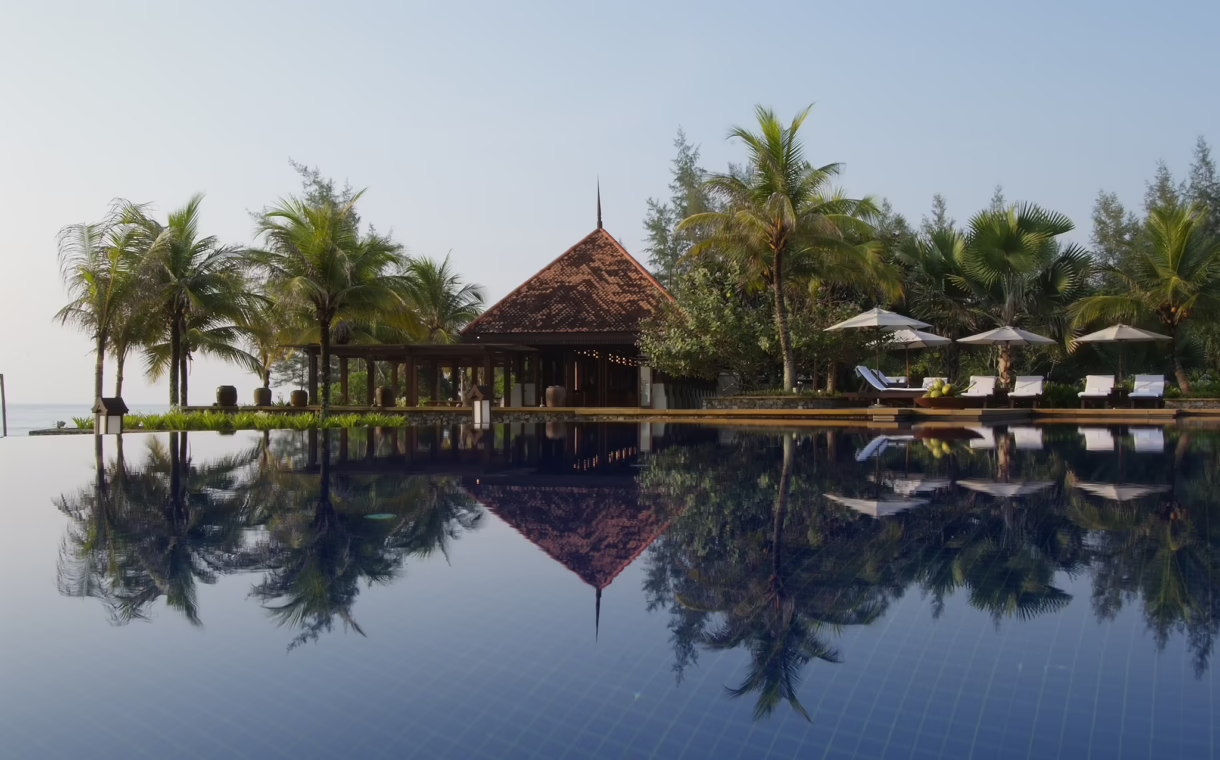
After the longest drive of our journey, we arrived at Tanjong Jara Resort near Dungun, on Malaysia’s east coast.
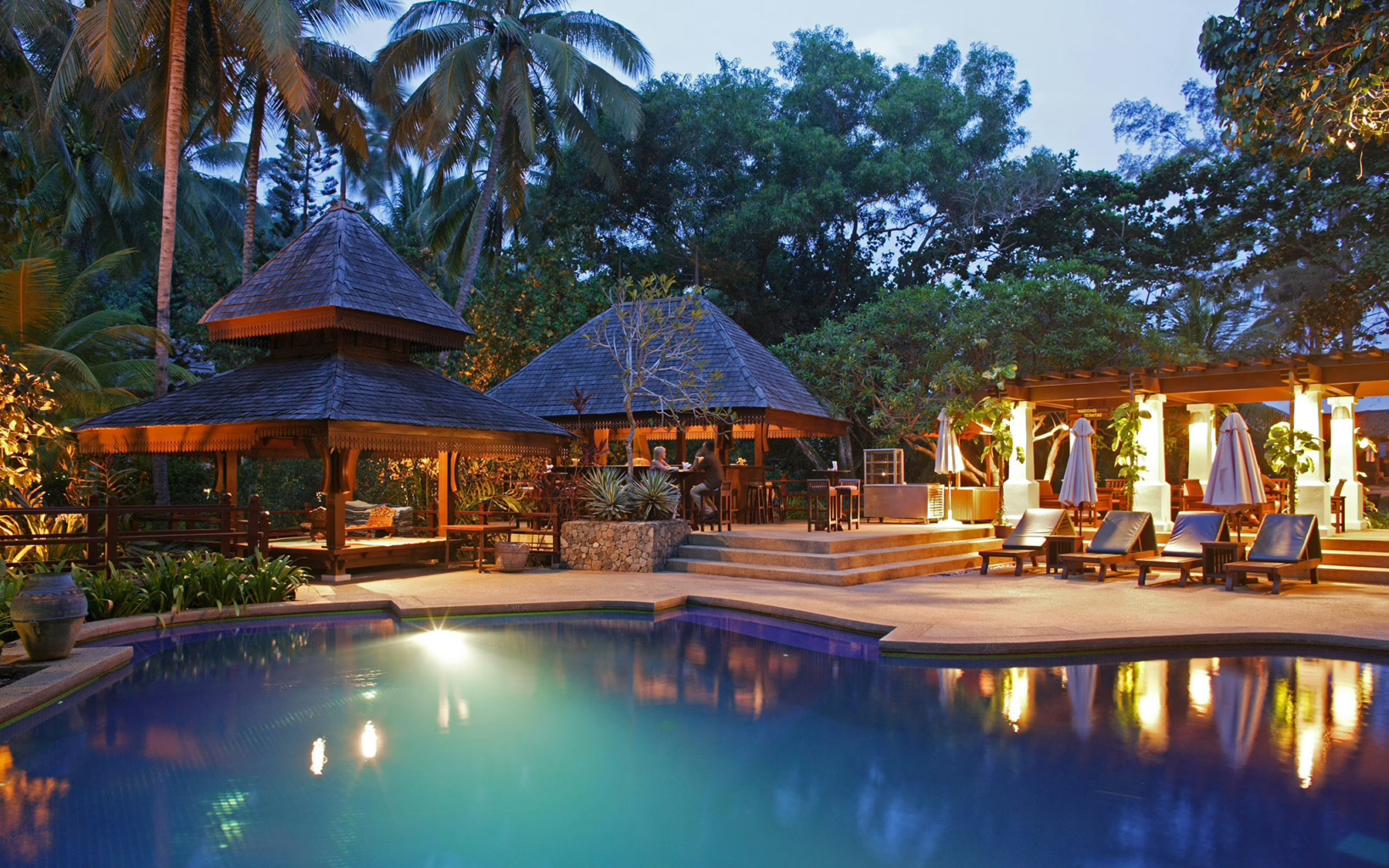
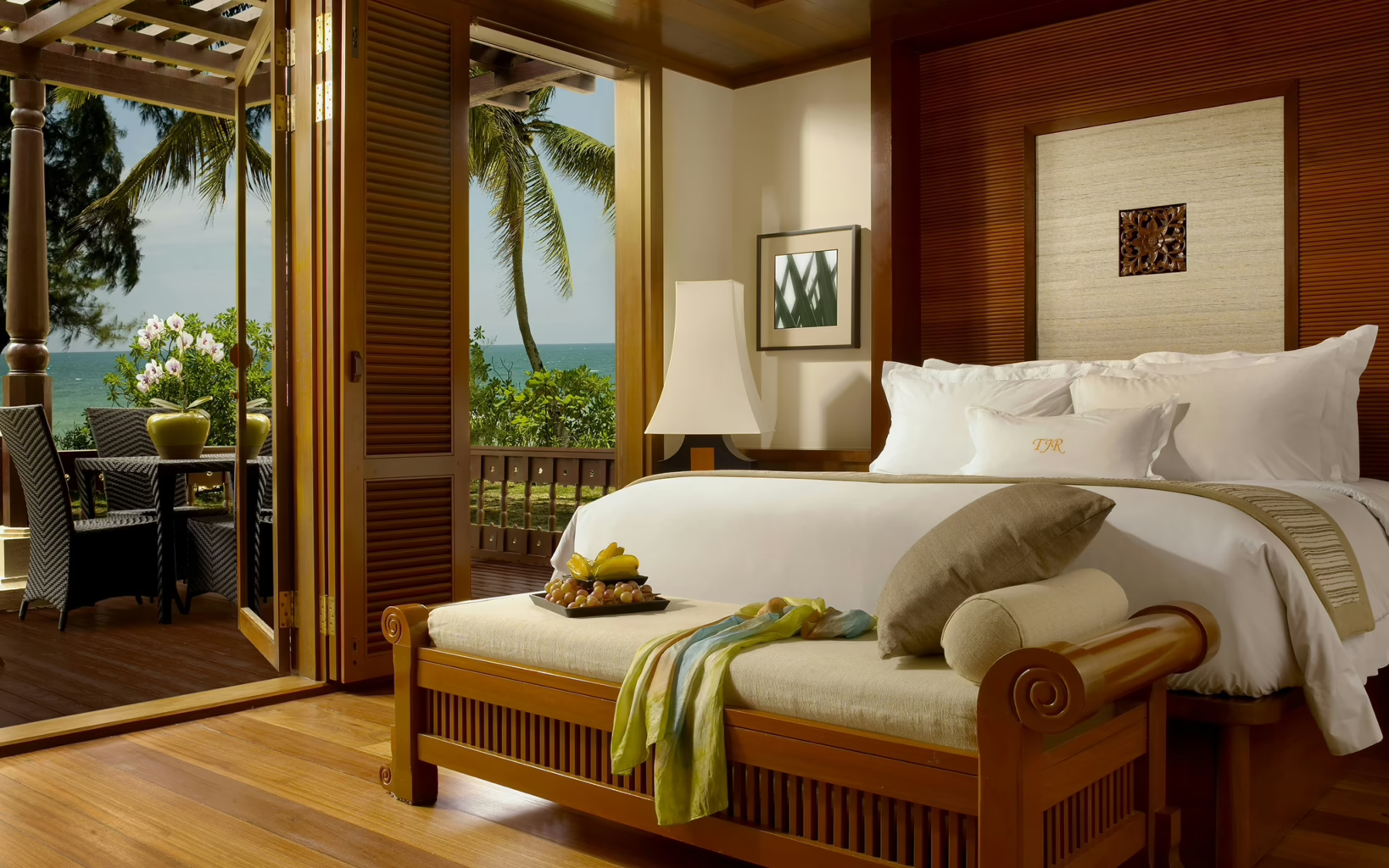
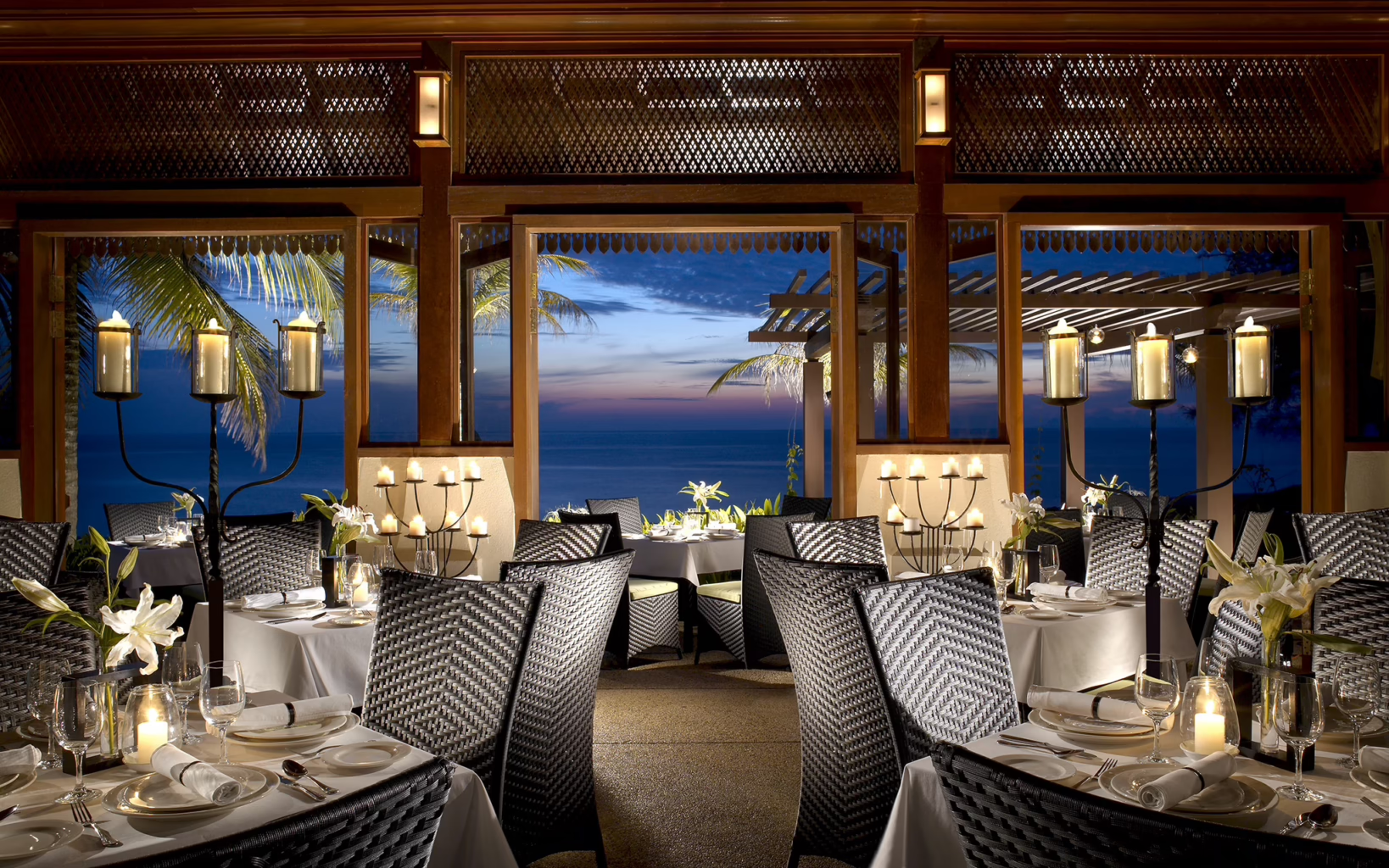
Inspired by 17th-century Malay palaces, the resort’s timber architecture, tropical gardens and beautiful stretch of coastline give it the atmosphere of an elegant seaside kampung.
We settled into our Serambi Seaview accommodation before enjoying lunch at Nelayan, the resort’s beachfront restaurant overlooking the South China Sea.
After several days of travelling, I was ready to spend the remainder of the trip relaxing by the beach.
As it turned out, the resort had so much more to offer than a beautiful beach, and I was eager to experience as much of it as I could.
One of our first activities was a visit to the resort’s turtle hatchery, operated in partnership with marine conservation organisation PULIHARA. Learning about efforts to protect sea turtle eggs and hatchlings gave me a new appreciation of the conservation work taking place along Malaysia’s east coast.
We also tried batik painting before dinner at Di Atas Sungei, the resort’s restaurant built over a river flowing towards the South China Sea. Here, the Menu Masters prepare dishes inspired by regional ingredients and traditional Malay recipes.
The following morning brought one of my favourite activities of the entire trip: Secrets of a Malay Kitchen.
Leading the experience was Chef Ann, the resort’s renowned Menu Master and head chef at Di Atas Sungei. Born in nearby Dungun, she has spent more than 25 years honing her knowledge of traditional Malay cooking, drawing on the recipes, ingredients and techniques she grew up with.
On our second morning at the resort, Chef Ann took us to Pasar Besar Dungun, the local market, to shop for fresh seafood, vegetables, herbs and spices for our cooking class. As we made our way through the stalls, she enthusiastically introduced us to local ingredients and explained how they feature in traditional Malay cooking. Her warmth and genuine passion for Terengganu’s culinary heritage made the market visit as enjoyable as the cooking session itself.
Back at the resort, we prepared rendang and ayam masak lemak, a fragrant chicken dish simmered in coconut milk gravy. Getting to cook the dishes ourselves, and enjoy them afterwards, made the experience even more satisfying.
Terengganu’s culinary traditions are closely connected to its fishing communities. Regional specialities include nasi dagang (fragrant coconut rice served with tuna curry), keropok lekor (a traditional fish-based snack made from fish paste and sago flour) and satar (spiced fish and grated coconut wrapped in banana leaves and grilled).
Then came perhaps the most unexpected experience of the trip.
I was selected, along with another guest, to participate in the resort’s mandi bunga procession, a traditional Malay floral bathing ritual associated with cleansing and renewal.
The ceremony involved kompang (traditional Malay hand drums) drumming, bunga manggar (decorative palm-like arrangements made from colourful metallic strips) and staff dressed in traditional attire, with a procession reminiscent of a Malay wedding.
Being escorted through the resort with such fanfare was hilarious and slightly embarrassing, but I was fascinated by the symbolism behind it.
Along the way, we stopped at seven antique water vessels, some recovered from an 1830s shipwreck. Each represented a different water source and symbolic blessing, including health, prosperity and happiness. The collected water from these vessels was combined with seven flowers for the bathing ritual.
Afterwards, I headed to Spa Village, where ginger and lemongrass tea preceded my 100-minute Tuam Pasir treatment. It was exactly the kind of relaxation I needed after several days on the road.
The cultural experiences continued with Kampong Sucimurni, a Saturday gathering celebrating traditional Malay village life through games, crafts and communal activities.
That evening, Taste of Terengganu introduced us to more regional dishes, including otak-otak (spiced fish paste wrapped in banana leaves and grilled) and kerabu (a traditional salad made with fresh herbs, vegetables and a tangy dressing), alongside traditional sweets such as akok (a rich, custard-like kuih made with eggs, coconut milk and palm sugar).
I’d arrived expecting a relaxing seaside holiday. Instead, I found myself learning about marine conservation, cooking traditional dishes and participating in customs I’d never encountered before.
Needless to say, it was easily the most rewarding stop of the journey.
Fun fact: Tanjong Jara Resort’s architecture draws inspiration from traditional 17th-century Malay palaces, while its Sucimurni philosophy emphasises wellbeing through a connection with nature, local traditions and a slower pace of life.
Don’t miss: Secrets of a Malay Kitchen is one of the most rewarding experiences for food lovers. The turtle hatchery, Spa Village and traditional handicraft activities are also worth exploring. If your stay falls on a Saturday, look out for Kampong Sucimurni and Taste of Terengganu. The mandi bunga procession is offered to selected guests celebrating special occasions, so participation is not guaranteed.
Travel tips: Consider timing your stay to include a Saturday, when Kampong Sucimurni and Taste of Terengganu introduce guests to local traditions and regional cuisine. If snorkelling or diving at Tenggol Island is on your itinerary, the calmer months outside the northeast monsoon season are generally more suitable. Allow at least two nights to experience the resort’s activities without sacrificing time to relax.
What else is nearby? Visit Pasar Besar Dungun to experience a local morning market and sample regional snacks, or head to Pantai Teluk Bidara for another scenic stretch of coastline. Dungun’s fishing villages offer a glimpse into everyday coastal life, while the resort also organises guided bicycle tours through the surrounding communities. For more adventurous travellers, Tenggol Island is known for snorkelling and diving, with excursions generally operating during the calmer March-to-September season.
Best for: Nature lovers, wellness seekers, couples, families and travellers who want to experience Terengganu’s food, traditions and coastal landscapes.
For more information, visit Tanjong Jara Resort.
A little further from home
Five days earlier, I’d set off feeling unsure about travelling beyond Singapore. By the end of the trip, I was already thinking about where I might go next.
The long drives had taken us through places I would never have thought to visit, introducing me to unfamiliar dishes, traditions and people along the way.
And while the hotels were wonderful, it was the experiences beyond the rooms that stayed with me most.
Malaysia turned out to be an ideal place to begin: close enough to feel manageable, yet varied enough to make every stop worthwhile.
For someone who once found travelling daunting, perhaps the biggest surprise was how much I enjoyed it.
And the next time an opportunity comes along, I suspect I’ll be a little more willing to say yes.