Published on November 2, 2026
Go beyond the West Coast you know
From San Francisco to Los Angeles, explore West Coast neighbourhoods shaped by counterculture, music and art, where a new generation of creatives and independent businesses is bringing fresh energy to the streets
It’s an overcast July afternoon in San Francisco, and a hop-on, hop-off tour bus is rolling through the city’s Haight-Ashbury district.
The double-decker is heading west, passing a boutique clothing store brimming with cargo miniskirts and futuristic denim jackets, and a nostalgia-fuelled candy shop stocked with Japanese Kitkats and Swedish gummies.
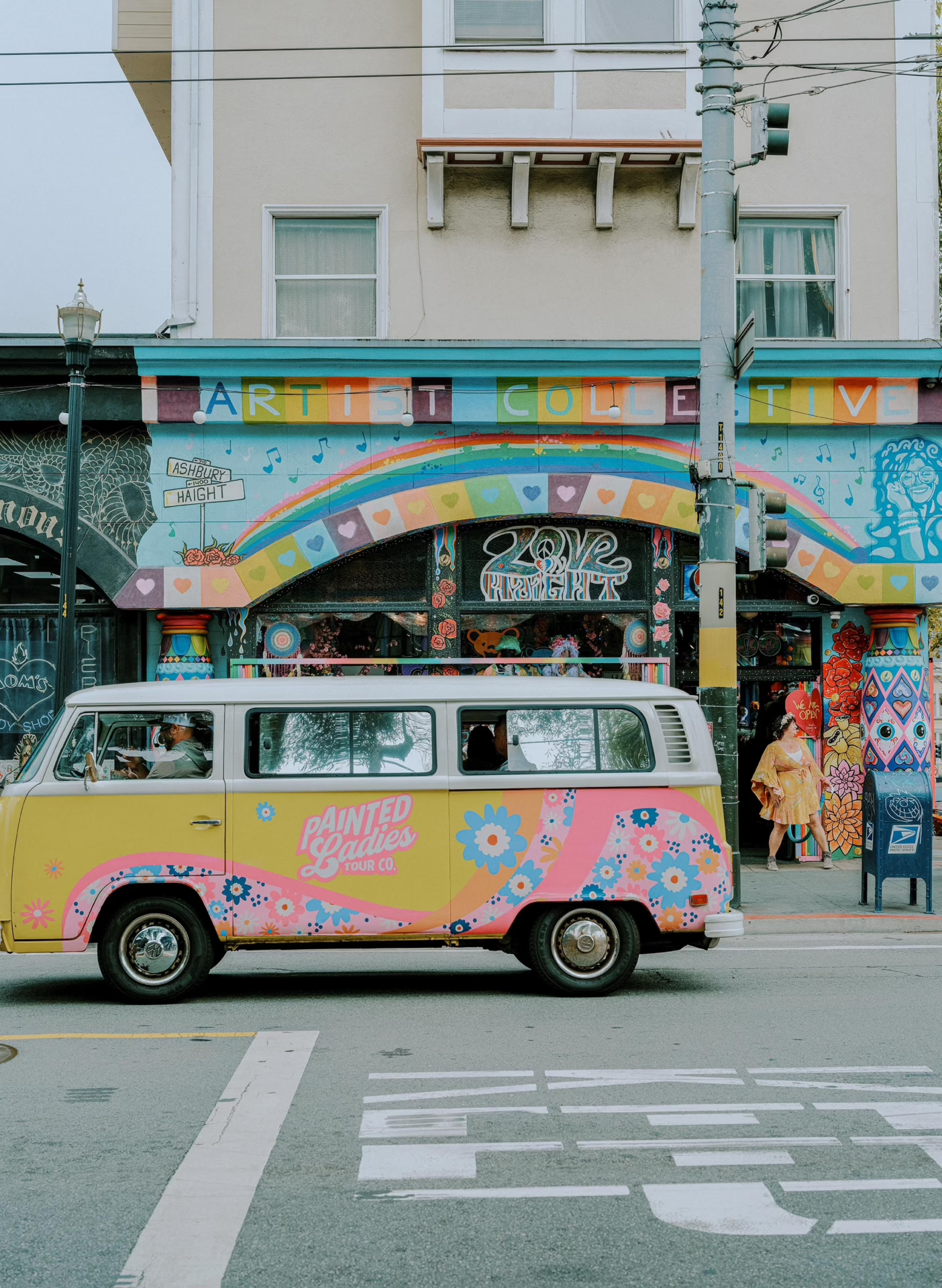
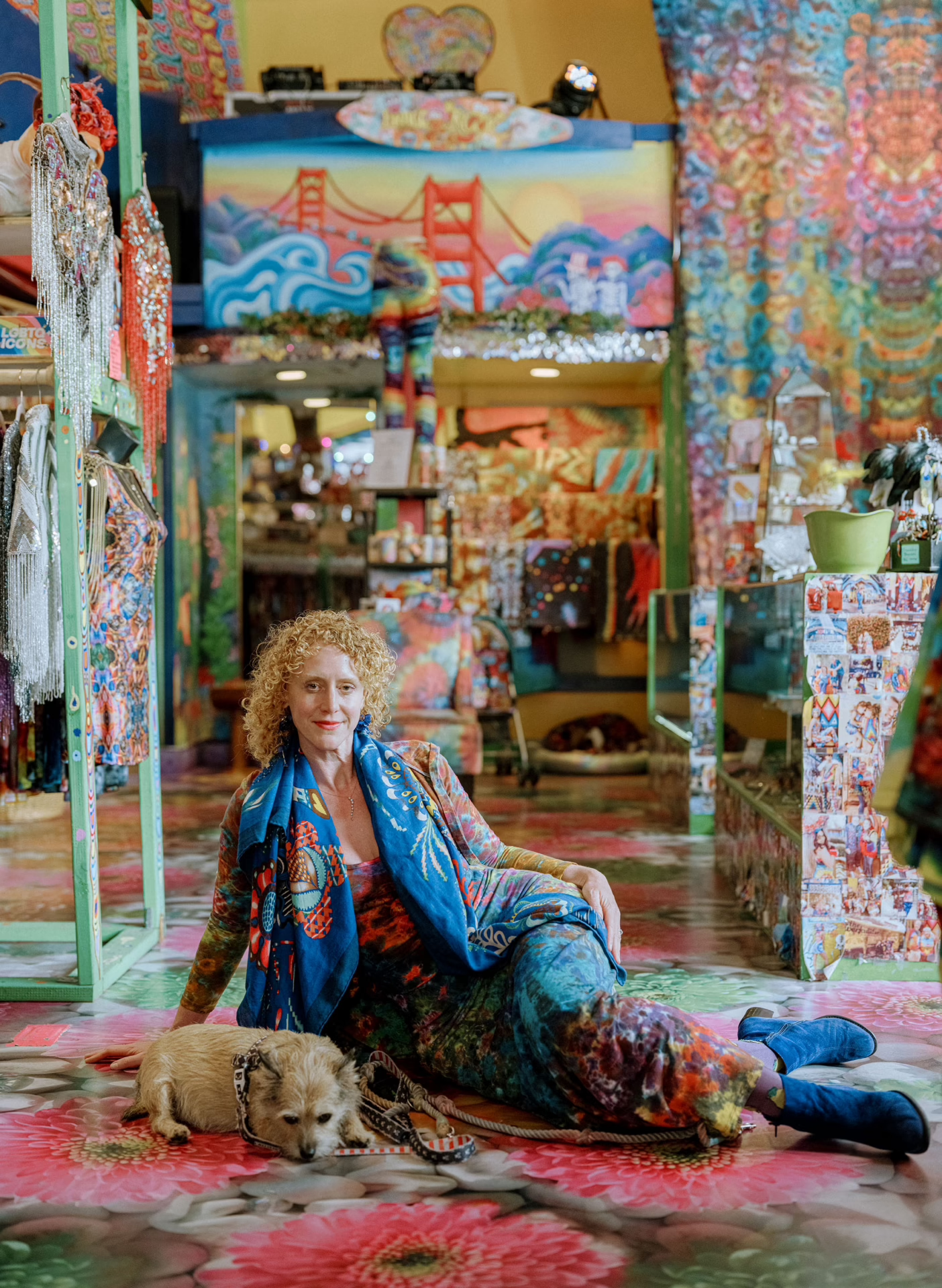
When it reaches the corner of Haight and Masonic streets, a woman dressed in colourful tie-dye begins waving enthusiastically at passengers from outside a vibrantly painted storefront covered in hearts, butterflies and portraits of musicians Jimi Hendrix and Jerry Garcia.
“Have a great trip!” she calls out. “Enjoy the journey!”
“It’s our way of welcoming them to the neighbourhood,” says Sunshine Powers, a native San Franciscan and owner of Love on Haight, a one-of-a-kind tie-dye emporium that is as bright and lively as the 46-year-old herself.
The gesture may be small, but it speaks to something larger happening in “the Haight”, as locals call it.
Nearly six decades after the neighbourhood became synonymous with the counterculture movement, residents like Sunshine are finding new ways to carry its spirit of creativity, community and individuality forward.
It’s a story playing out elsewhere in San Francisco and Los Angeles too, as neighbourhoods draw on their distinct cultural and historic identities to reinvigorate their communities.
From SF’s the Haight and North Beach to LA’s Downtown Arts District, we meet the residents and business owners embracing the past while shaping what comes next.

The New Business Class.
Designed Around You.
Welcome to a new way of travel
with Singapore Airlines. Where thoughtful
details bring greater privacy and comfort
from take-off to landing.

The New Premium Economy.
Your Space to Unwind.
Welcome to a new way of travel with Singapore Airlines.
Where space, comfort, and greater legroom invite you
to unwind, with your well-being at the heart of every journey.
San Francisco
Where creative legacies live on in Haight-Ashbury and North Beach
Haight-Ashbury: A counterculture hub
In the 1960s, the Haight emerged as an epicentre of the counterculture revolution – a sweeping movement rooted in free expression, social causes and non-conformity.
The first free healthcare clinic in the US opened its doors here in 1967, the same year Huckleberry House, the country’s first shelter for homeless and runaway youth, was established in the neighbourhood. It’s a “give back” ethos that has defined the Haight for more than half a century.
Sunshine first visited the neighbourhood in the early ’90s. It was the first place, she says, where she felt, as a teenager, that it was okay to be different. She took full ownership of what is now Love on Haight in 2017.
In the years since, Sunshine has transformed the legacy business into an artist collective showcasing tie-dyed – and non-tie-dyed – wearable works by more than 200 artists from around the world, alongside its own kaleidoscopic clothing line.
More than a storefront, Love on Haight has been at the forefront of bringing The Haight’s collective spirit and creativity back to the fore.
That takes many forms, from co-hosting neighbourhood events – such as a flatbed truck concert earlier this year honouring the Grateful Dead, the iconic “cosmic Americana” jam band synonymous with the area – to donating a portion of shop sales to Taking It to the Streets, a local nonprofit supporting unhoused youth.
According to the Haight Ashbury Merchants Association, more than 20 new businesses have moved into the neighbourhood since 2021. Those that have stuck around are putting down roots, rebuilding a sense of community that harks back to the Haight’s “Summer of Love” days. They’re also well worth visiting, says Sunshine.
Among them is The Mellow, a hybrid plant shop, café and barbershop by day that transforms into a jazz and cocktail bar by night. There’s also Kimono Dave, a tiny storefront filled with handmade festival outerwear, and Sandy’s Muffulettas, which serves New Orleans-style Italian American sandwiches. Sandy’s began as a pandemic-era apartment window pop-up before finding a permanent brick-and-mortar home.
Elsewhere in the neighbourhood, the newly rechristened DeLuxe – a live music institution – reopened in June 2026 after a three-year closure, bringing jazz, deep blues and rockabilly back to the Haight seven nights a week.
The Haight’s alternative spirit is also on full display at the Counterculture Museum, located diagonally across from the famous Haight and Ashbury street sign marking the heart of the neighbourhood’s 1967 counterculture movement.
The museum explores civil rights history through original records, rare photographs and other artefacts. Its free-to-enter bookstore stocks related publications, including author David Talbot’s Season of the Witch, a definitive account of San Francisco’s history.
Despite the changes the Haight has undergone since its counterculture heyday, its ideals of artistic expression and personal authenticity endure, says Sunshine.
“What happened in the Haight almost 60 years ago shaped who we are as a country,” says Sunshine. “Hopefully, what we’re doing in the neighbourhood now will shape the next 60 years just as much.”
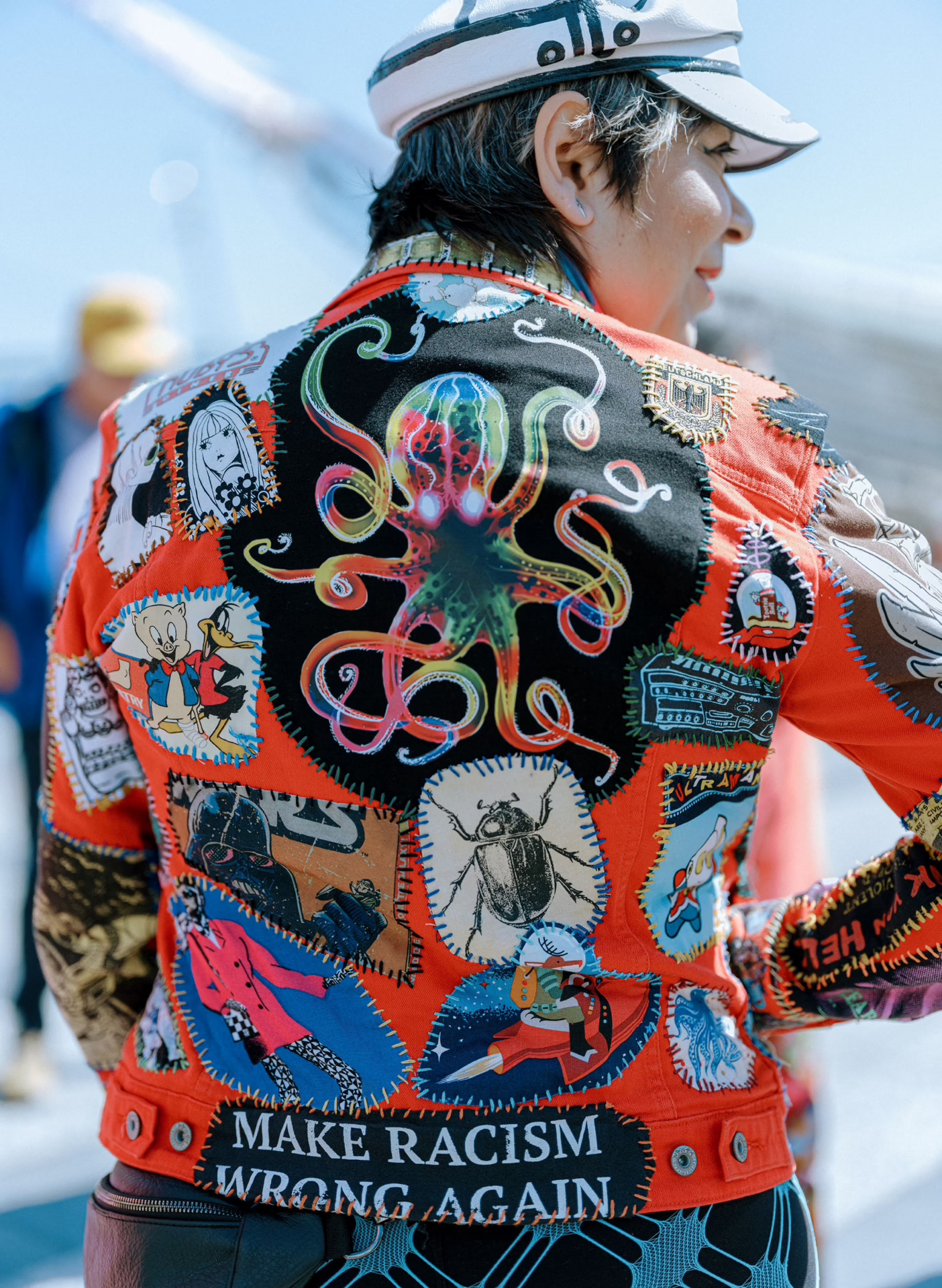
North Beach: A new generation finds its rhythm
Across San Francisco, other neighbourhoods are finding new energy as a younger generation draws on the communities and creative movements that came before them. About 5km northeast of the Haight, North Beach is experiencing a revival of its own.
Indie musician Anthony Arya, 23, grew up in San Francisco and spent his weekends in North Beach, a downtown neighbourhood known for its Italian restaurants, historic alleyways, and deep literary and musical roots.
The singer-songwriter – and former The Voice contestant – began his musical career busking outside Caffe Trieste, a corner coffee house and city institution that has remained cash-only since opening in 1956.
“There are a few regular customers that are always hanging out there,” says Anthony. “You’re not quite sure what they do by day, but they always have interesting tales to tell.”
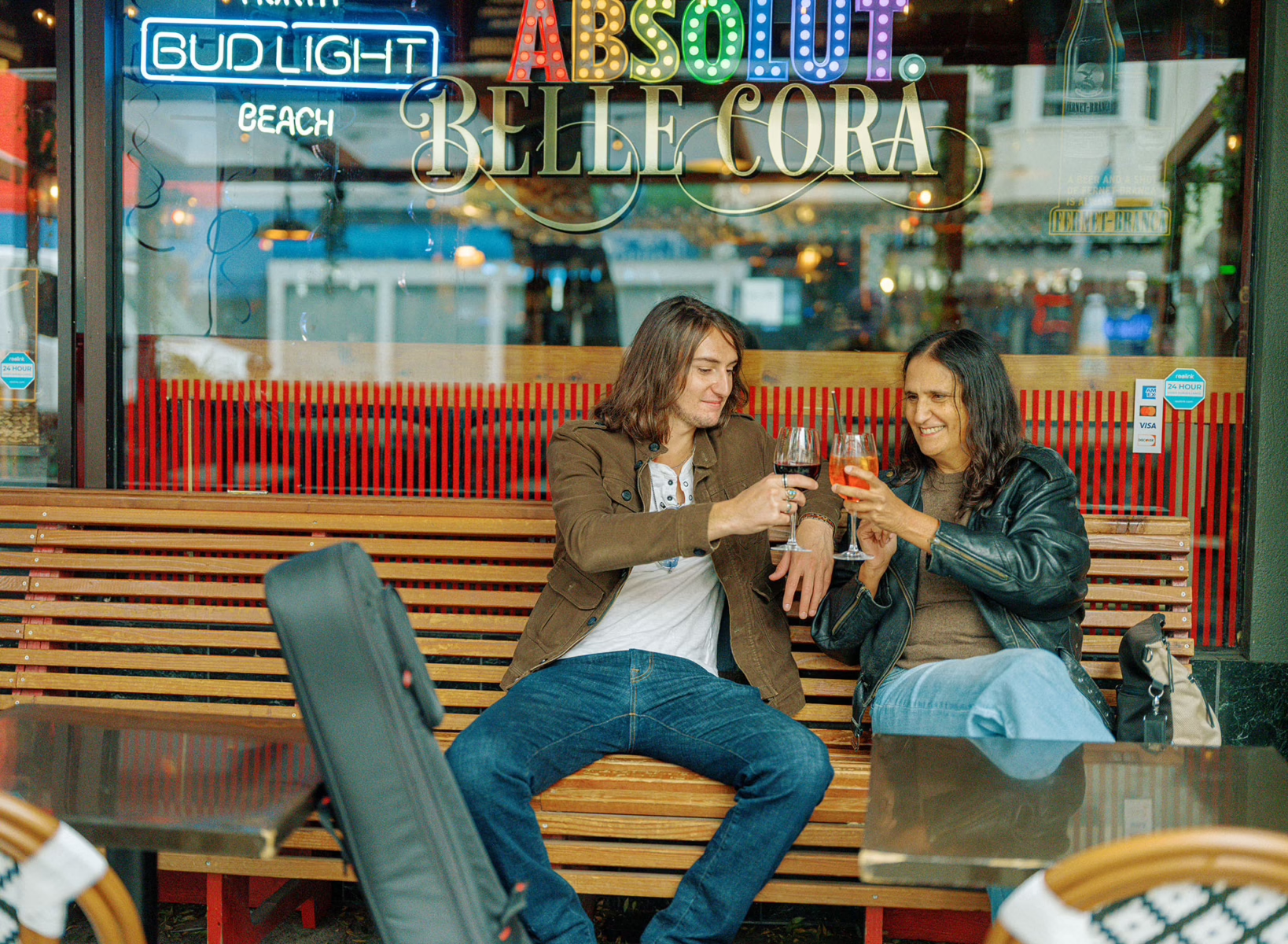
For Anthony, North Beach has a distinct European feel. It’s a community where friends stay up late playing Canasta, a rummy-style card game, while the legacy of Beat writers such as Jack Kerouac and Allen Ginsberg, who once roamed its streets, continues to shape its literary and musical scenes. Some of Anthony’s favourite stops include Mo’s Grill for burgers. “It’s a diner experience, but it’s a classic,” he says.
His top spot for people-watching? Belle Cora, a cosy bar and eatery serving shared plates beneath a canopy of wispy willow trees.
“We’ve got music of all sorts,” says Anthony, who honed his skills sitting in with local performers such as The North Beach Django, a jazz trio specialising in high-speed swing and melodic acoustic guitar, and playing at landmark venues such as southern-style Tupelo, and The Saloon, a circa-1861 establishment and the city’s oldest bar.
“It ranges from the neighbourhood’s blues and jazz roots to a growing pop and indie scene that’s indicative of the community’s younger generation.”
These days, Anthony is helping to nurture that next generation through San Francisco Unplugged, a curated acoustic music series held on the second Saturday of each month. It takes place at Paname Nightclub, located along the neighbourhood’s historic Broadway corridor. A legendary 20th-century entertainment hub, Broadway was once home to iconic venues such as The Stone, a regular stop for the Jerry Garcia Band.
“San Francisco hosted the psychedelic rock of the ’60s, the punk scene of the ’80s, and the blues revival of the ’90s,” says Anthony. “In the years to come, I see my generation of musicians sharing [our] love of indie and folk rock.”
“In the years to come, I see my generation of musicians sharing [our] love of indie and folk rock"
Los Angeles
Creativity in constant evolution
Downtown Arts District: Where old spaces find new life
San Francisco isn’t the only California city where storied neighbourhoods are finding new relevance.
Some 600km south, Los Angeles offers another take on reinvention, with former industrial spaces in its Downtown Arts District finding new life as galleries, restaurants and creative hubs.
“When I first visited LA’s Downtown Arts District, it wasn’t a destination by any means,” says fifth-generation Los Angeles resident Wilda Lynn Garrett.
Today, the graphic designer, trained jazz singer and founder of Hidden LA – an online community dedicated to exploring the city beyond its stereotypes – describes the neighbourhood as a mix of boxy new high-rises, and repurposed warehouses and factories.
These former industrial buildings now house everything from a neon art studio to sprawling advertising spaces, while open-air murals and ever-changing graffiti bring colour to the streets.
Back in the ’90s, the Arts District was gritty, she says. “Now, there are patio restaurants with lights and umbrellas.
Situated on the eastern edge of Downtown LA, between the LA River and Little Tokyo, the Arts District began as agricultural land, before the arrival of major rail lines transformed the area into a freight and manufacturing hub. From the 1920s through the 1950s, it was a centre of industrial and wartime production.
By the time Lynn discovered the area as a design student in the 1990s, however, artists had begun taking over largely abandoned properties, and turning them into places to live and work.
“A lot of artists just snuck in there and began creating these huge paintings that wouldn’t fit in a regular apartment,” says Lynn.
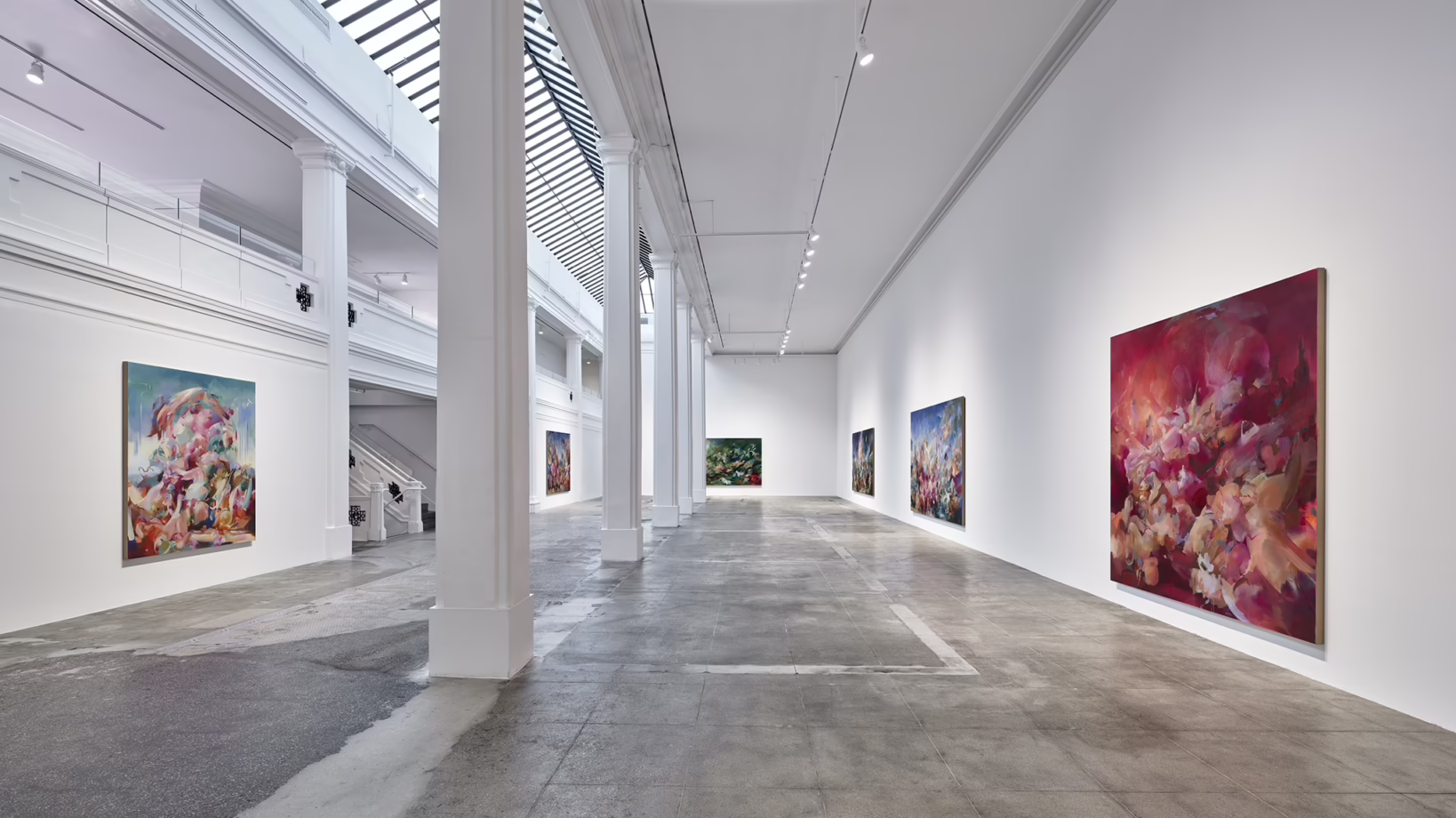
While that artistic spirit endures, today’s Arts District is increasingly defined by high-end galleries and expensive lofts, alongside a community of working artists still trying to make a living. Through these changes, one defining characteristic has persisted: the neighbourhood’s penchant for adaptive reuse. Take Hauser & Wirth, a contemporary and modern art gallery complex spanning more than 100,000 sq ft within a restored 19th-century flour mill.
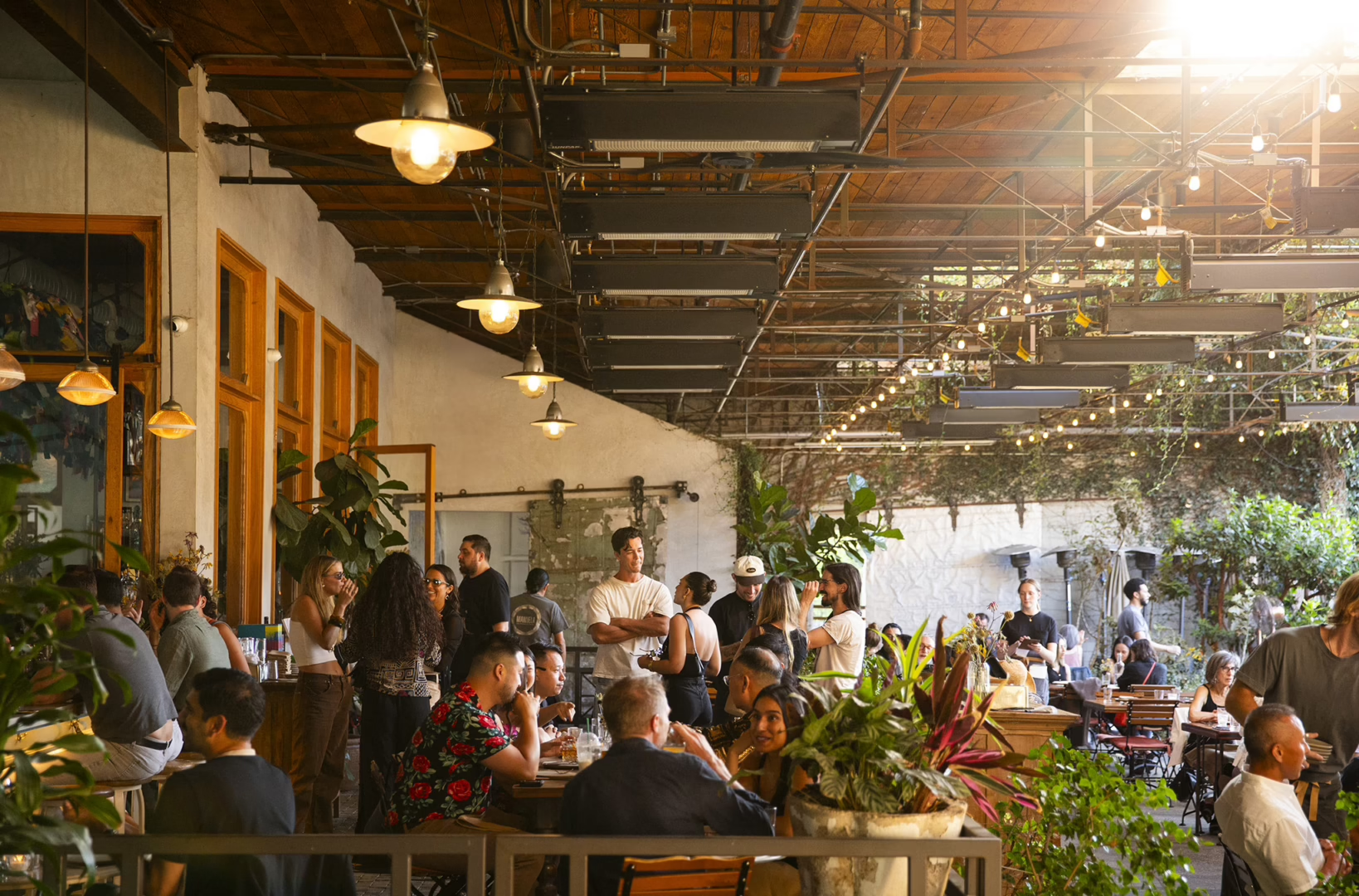
Free to enter, the communal hub features ever-changing exhibitions beneath dramatic skylights and arched truss ceilings, an onsite bookstore stocked with titles on photography, architecture and film, and a farm-to-table restaurant, Manuela.
The modern American eatery sources ingredients from its own 800 sq ft garden, located across a public courtyard from the main dining room. It even has its own chicken coop – a fitting nod to the Arts District’s agricultural roots.
There’s also ROW DTLA, a former produce distribution centre turned creative hub that’s home to boutique shops, as well as eateries serving everything from raw oysters to doughnuts and dumplings.
“What makes the neighbourhood worth discovering is seeing all those layers of Los Angeles history and change in one place"
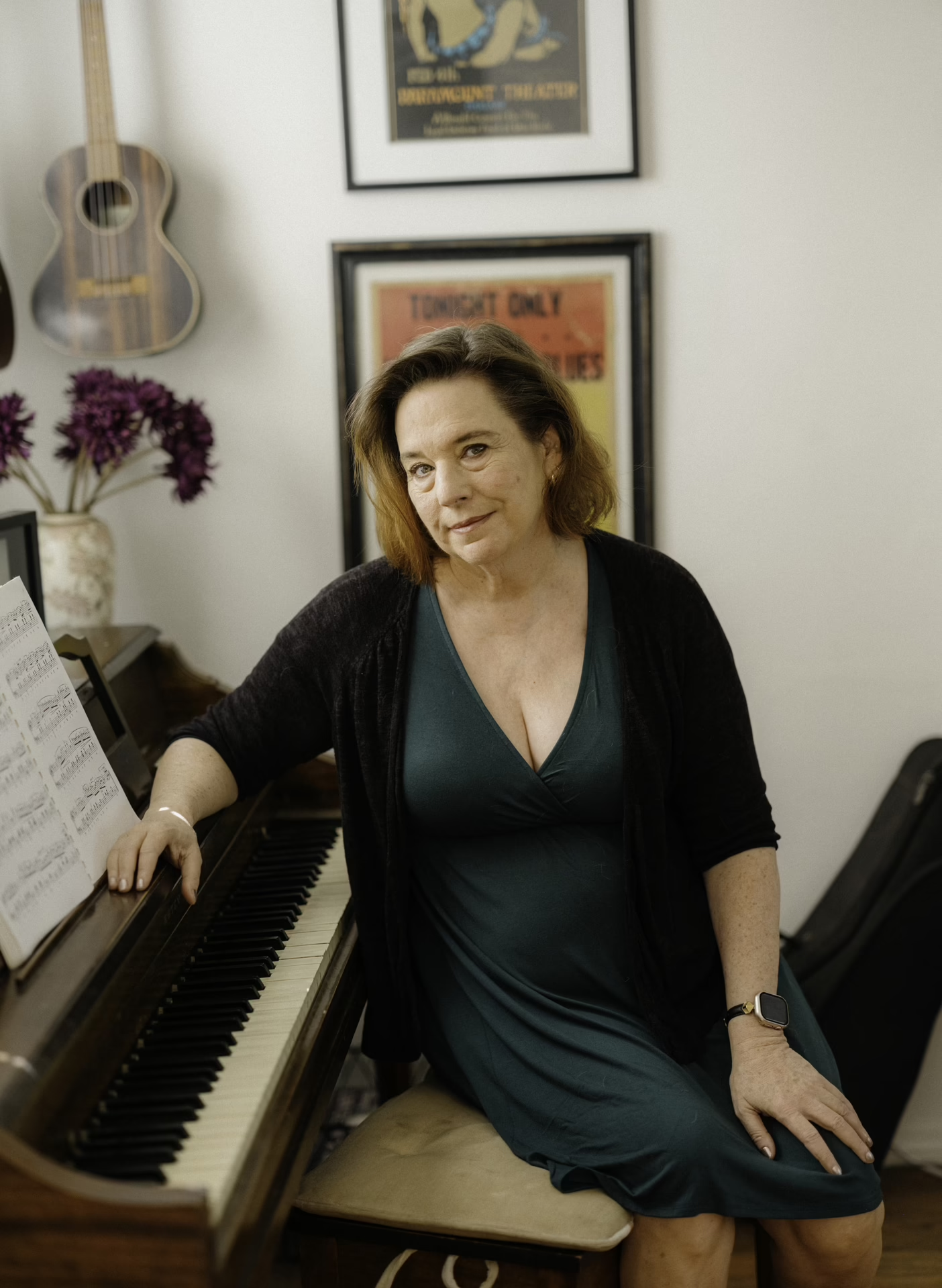
Lynn, however, says it’s Art Share LA – a nonprofit dedicated to creating equitable access to opportunities for artists across Los Angeles – that best embodies the community at the heart of the district.
In the end, Lynn would love to see the neighbourhood’s excellent use of adaptive reuse continue to be a part of its future.
“The old industrial buildings are a huge part of what makes the Arts District distinctive,” she says. “What makes the neighbourhood worth discovering is seeing all those layers of Los Angeles history and change in one place.”
Tip: Round off your West Coast itinerary
With Singapore Airlines serving San Francisco, Los Angeles and Seattle, why not turn your trip into a wider West Coast itinerary?
Known for its maritime roots and Nordic heritage, Seattle’s Ballard neighbourhood is also home to live music venues, a historic district lined with independent stores and boutiques, and a thriving community of makers and artisans.
Stop by La Marea Marisqueria for dry-aged bluefin tuna tostadas and fresh crudos, then browse Venue Ballard for Washington-made finds, from vegan leather backpacks to wood-panel acrylic paintings. Ballard’s walkable brewery district, meanwhile, is home to more than a dozen taprooms.
For something quirkier, head to Fremont, Seattle’s self-proclaimed “Center of the Universe”, where offbeat landmarks are part of the neighbourhood’s appeal. Seek out the Fremont Troll, an enormous sculpture tucked beneath the Aurora Bridge, and one of more than 50 public artworks dotted around the area.
Singapore Airlines flies to San Francisco 14 times weekly, Los Angeles 17 times weekly and Seattle five times weekly.
For more information on Singapore Airlines’ flights to these destinations, visit singaporeair.com.