
A recently opened trail of vast murals by international artists tempts travellers to explore this stunning slice of Western Australia and has brought pride back to the local community
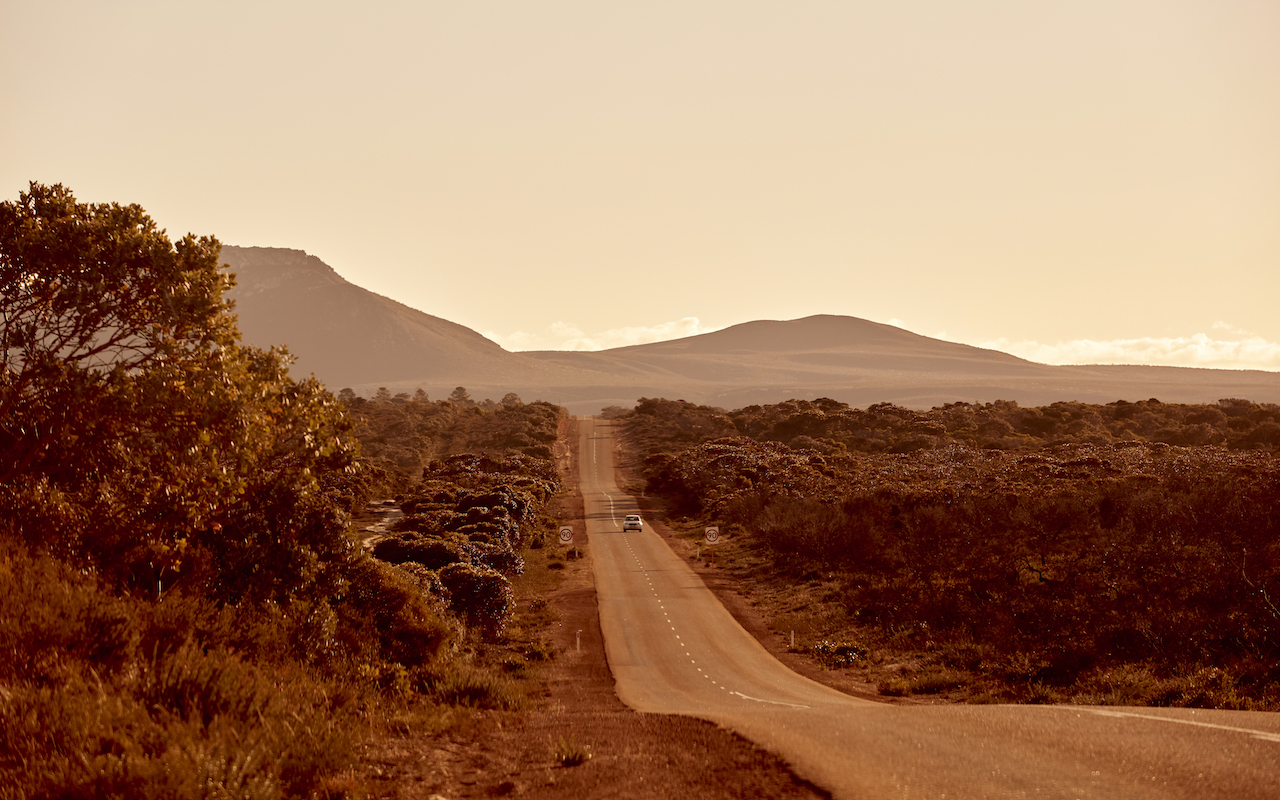
On an arrow-straight back road, beneath a vast blue sky, I pull in and stretch out after a long drive. Crooked fence posts – decades-old, weathered and rusted – stand guard along the side of the asphalt. Ahead, a swathe of golden wheat dances in the late afternoon sun. The rustle is a kind of anthem of the Wheatbelt, a place where farmers face boom and bust; where a good year can set you up, and a bad one can send you under. This way of life and this arresting landscape are woven through the very fabric of Western Australia.
Adventurous travellers have always been drawn to the tough but awe-inspiring landscapes beyond the region’s cities. But now there is an added draw. A first in the country, though since imitated in Victoria, the recently opened PUBLIC Silo Trail has seen artists try to reinterpret the state’s farming heartland and help redefine the communities that call this place home. Amid an agricultural setting, the project has taken functional structures that are still in use and fashioned a 1,000km-long route of epic artworks, taking you from the inland Wheatbelt to the wild Southern Ocean.
Grain silos – scattered across seven locations from Northam, 97km east of Perth, down to Ravensthorpe in the southeast and Albany on the Southern Ocean coast – have become vast canvases, stretching up to 40 metres high.
There’s a rush of excitement as I glimpse my first silo on the outskirts of Northam, a historic town founded in 1833, with a population of a few thousand people, plenty of public artworks and Australia’s longest pedestrian suspension bridge. Pops of bold colour, conceptual shapes and then the full works rise out of the surroundings. Unfolding on an industrial canvas, eight of 16 fully operational silos that are a part of the project are painted with a mix of abstract imagery and whimsical characters in flying contraptions.
This is the work of renowned artists Phlegm from London and HENSE from Atlanta in the United States. The artwork acts as a vivid antidote to the grey concrete that makes up the squat administration buildings and railway tracks of the CBH Grain Terminal and offers a juxtaposition with the undulating country and stands of eucalyptus trees.
The PUBLIC Silo Trail project, which saw the first artwork unveiled in 2015, was the brainchild of FORM, a Perth-based not-for-profit organisation charged with establishing a culture of creativity across the state. FORM’s executive director, Lynda Dorrington, says the underpinning industry of the region and the toughness and resilience of its people were all key in bringing the project to life. Crucial to its success was identifying an iconic aspect of each location – “which [were] the grain silos,” she says. While they are functional, they’re also full of symbolism – a focal point for the generations of farming families in the region.
The public art aspect aside, it’s obvious that Dorrington’s true passion is the social impact. Given the region’s isolation and dependence on an industry subject to the whims of everything from global markets to the weather, mental health is a big concern. Dorrington says that while this art project isn’t a cure-all, it allows communities “to rethink the immediate”. Instead of just focusing on the weather and a bad crop, it brings people together, creates a sense of pride and is “another something” to think about.
“Lynda and I were both separately realising the opportunity for tourism on this inland route between Perth and Albany, which were the two great twin cities of Western Australia for some time,” explains Nigel Oakey, the owner of the newly opened Premier Mill Hotel in Katanning, another rural town on the art trail. “We both kind of met in the middle one day and now we’re happily focused on working together to bring the region to life.”
Hair slicked back, dressed more for the yacht club than the Wheatbelt, Oakey cuts a memorable figure in this small country town. We meet in the low-key lobby of the hotel, a wood fire burning as brightly as Oakey’s enthusiasm for his new project. The Premier Mill Hotel is the first of a number of hotels by the owner of the Dôme café chain. The others are planned for Northam and Narrogin. Oakey loves a good story, and so he enlists social historians to dig deep into the history of the buildings he develops – a process he also followed with the construction of the hotel.
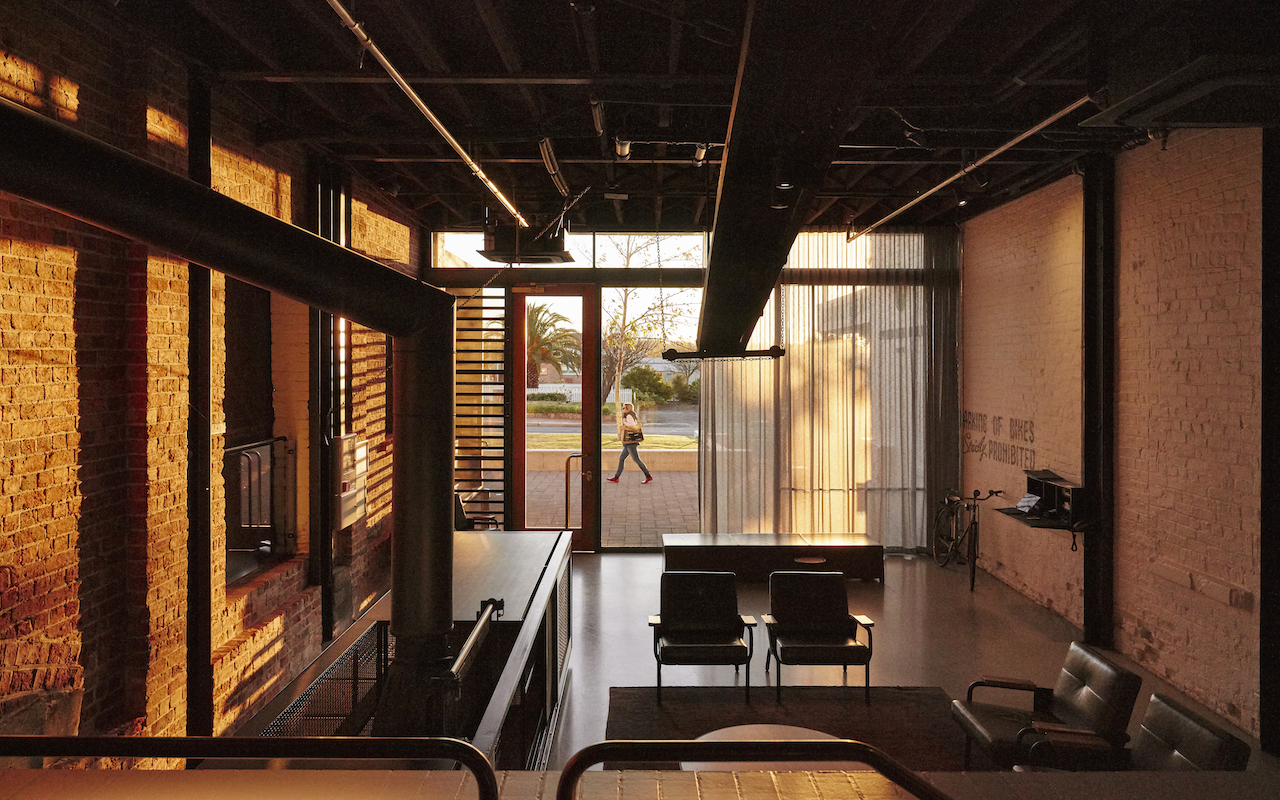
He tells the tale of the mill’s 19th-century founder, Frederick Piesse, as if recounting the tale of a long-lost family member. The Premier Roller Flour Mill was a significant fragment of the state’s industrial history, having also previously been one of its first power stations, as well as housing the cellars for Piesse’s winery.
The restoration is certainly impressive. Internal wooden grain silos and an age-worn chimney are melded with the modern work of architect Michael Patroni, of Fremantle’s space-agency architecture firm, to create what Oakey calls a “sophisticated base camp”. In a town where previous accommodation options involved rooms above pubs and average motels to service local commerce and little else, there’s now a true destination for the upscale traveller.
Resurrecting a derelict icon in a rural town and turning it into a boutique hotel was clearly a risk. While Oakey bought the property for only a dollar, contingent on development, the work required ran into the millions. Oakey is tight-lipped about the final cost, but his raised eyebrows and strained look say it all. Yet, he also revels in its success. It’s 8pm on a winter’s night and the hotel’s Dôme café is busy with seniors and young mothers – whole generations of local families. As a lady well into her eighties takes his hand and thanks him for all he’s done for the town, he turns to me and says with a grin, “I didn’t set this up!”
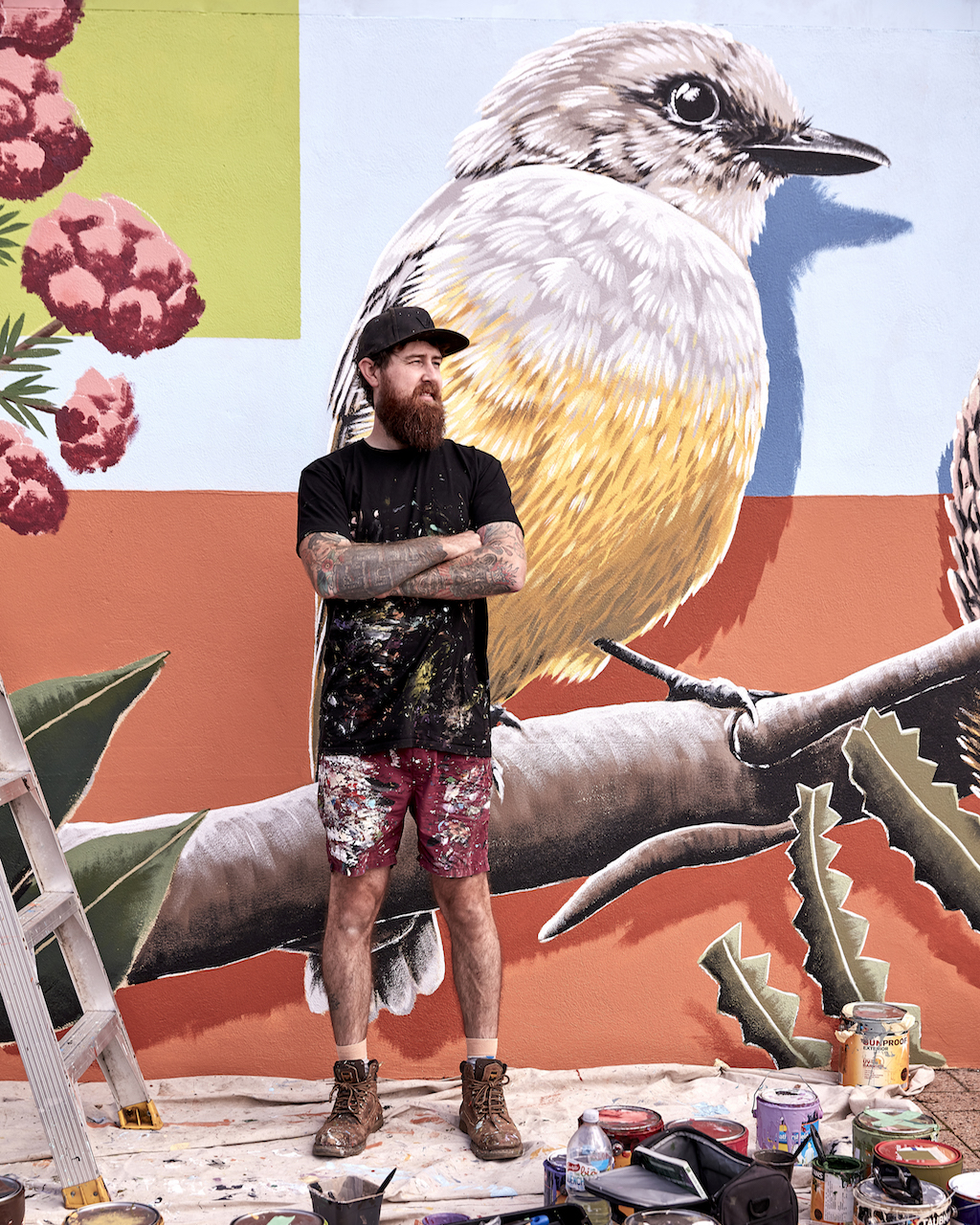
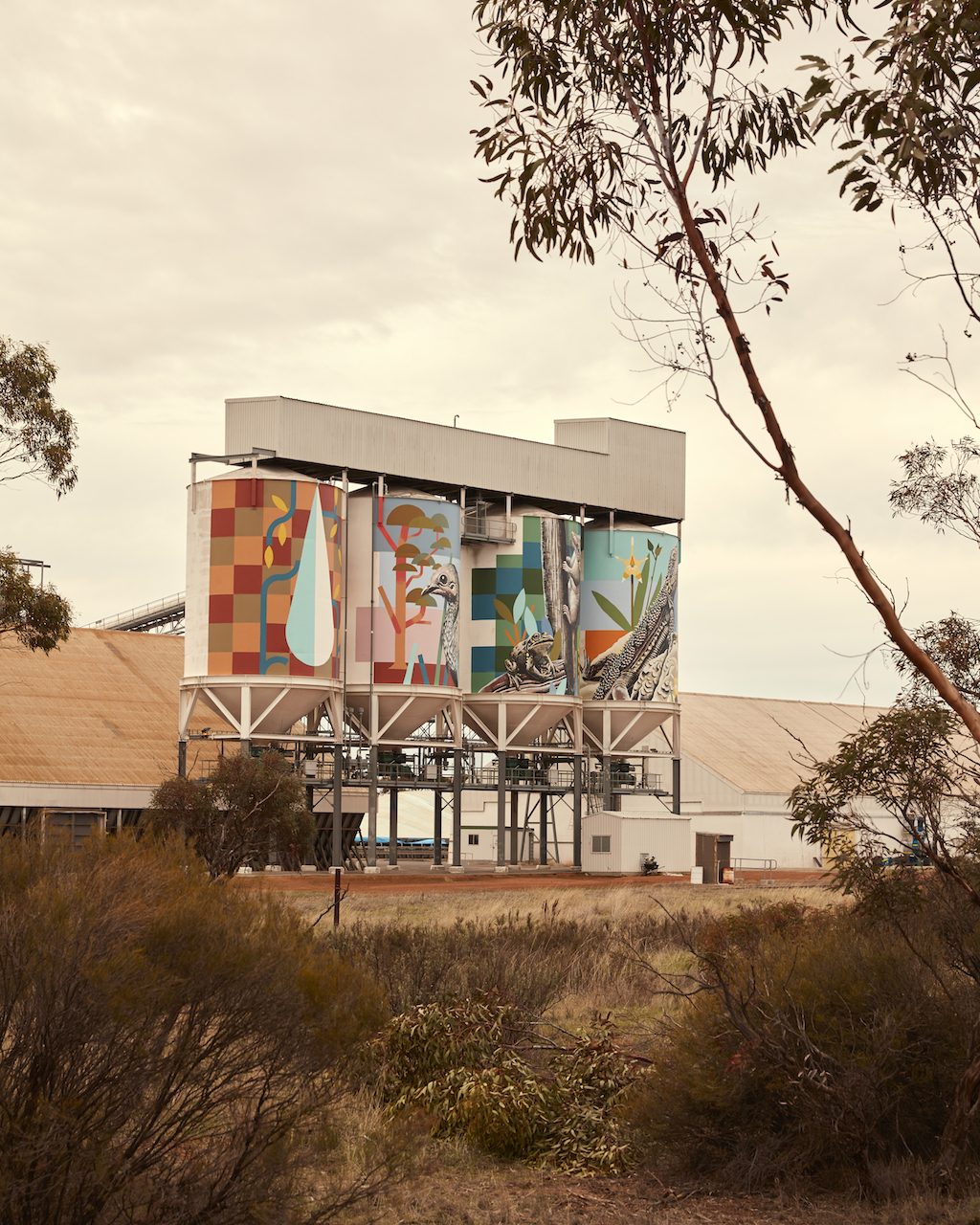
The next morning, I hit the road early for the almost two-hour drive to Newdegate. Road trips in the Wheatbelt bring home the vastness of the Western Australian landscape, with its unchanging palette of red-dirt road sidings, vistas of wheat and sunburnt country. To some, it is harsh and unforgiving, but to others, that’s what gives it its beauty. Like in Northam, the silos at Newdegate dominate the surroundings. Grinning through his wiry beard, muralist Brenton See admits he had to take on his fear of heights when he accepted the commission to paint four adjacent silos.
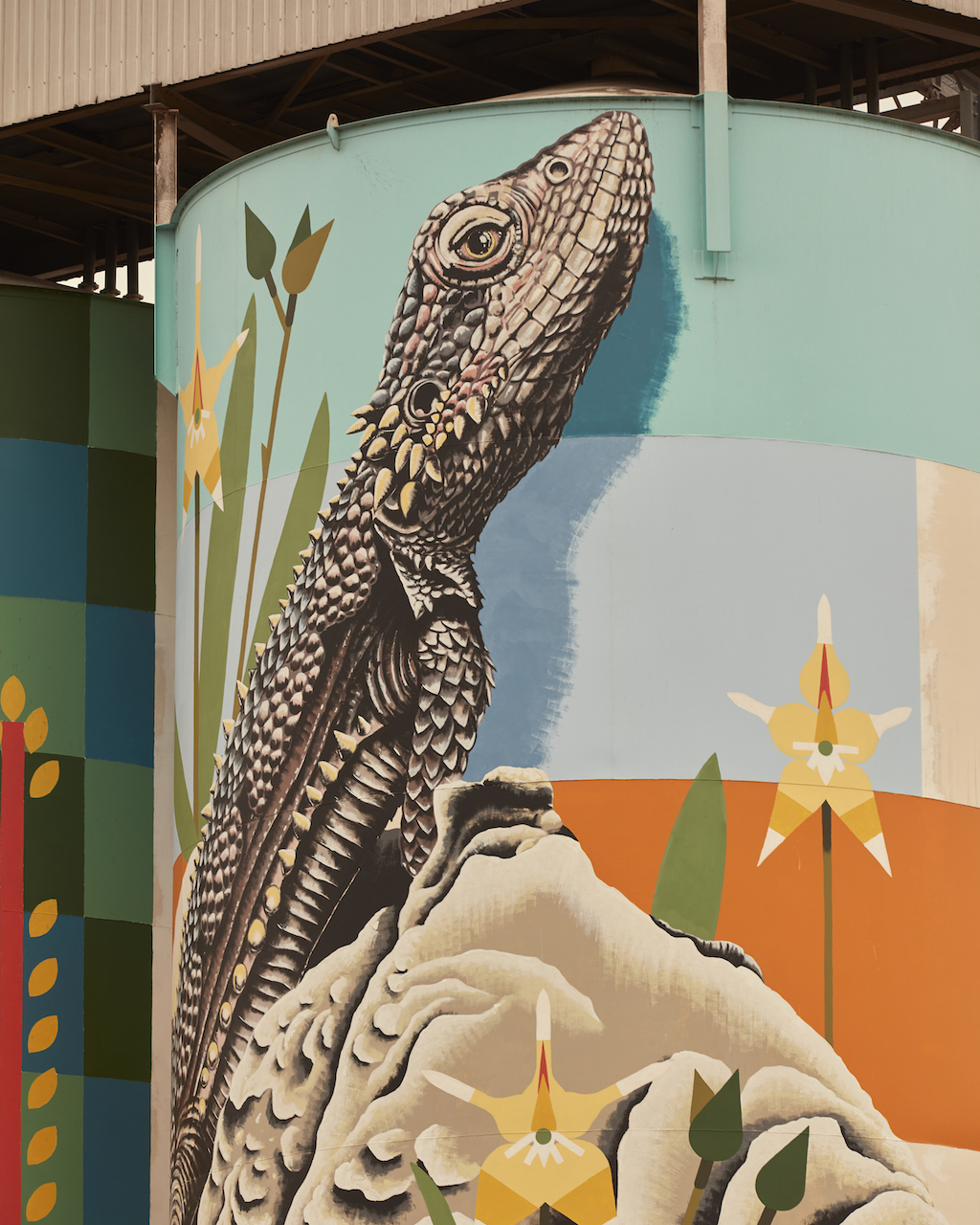
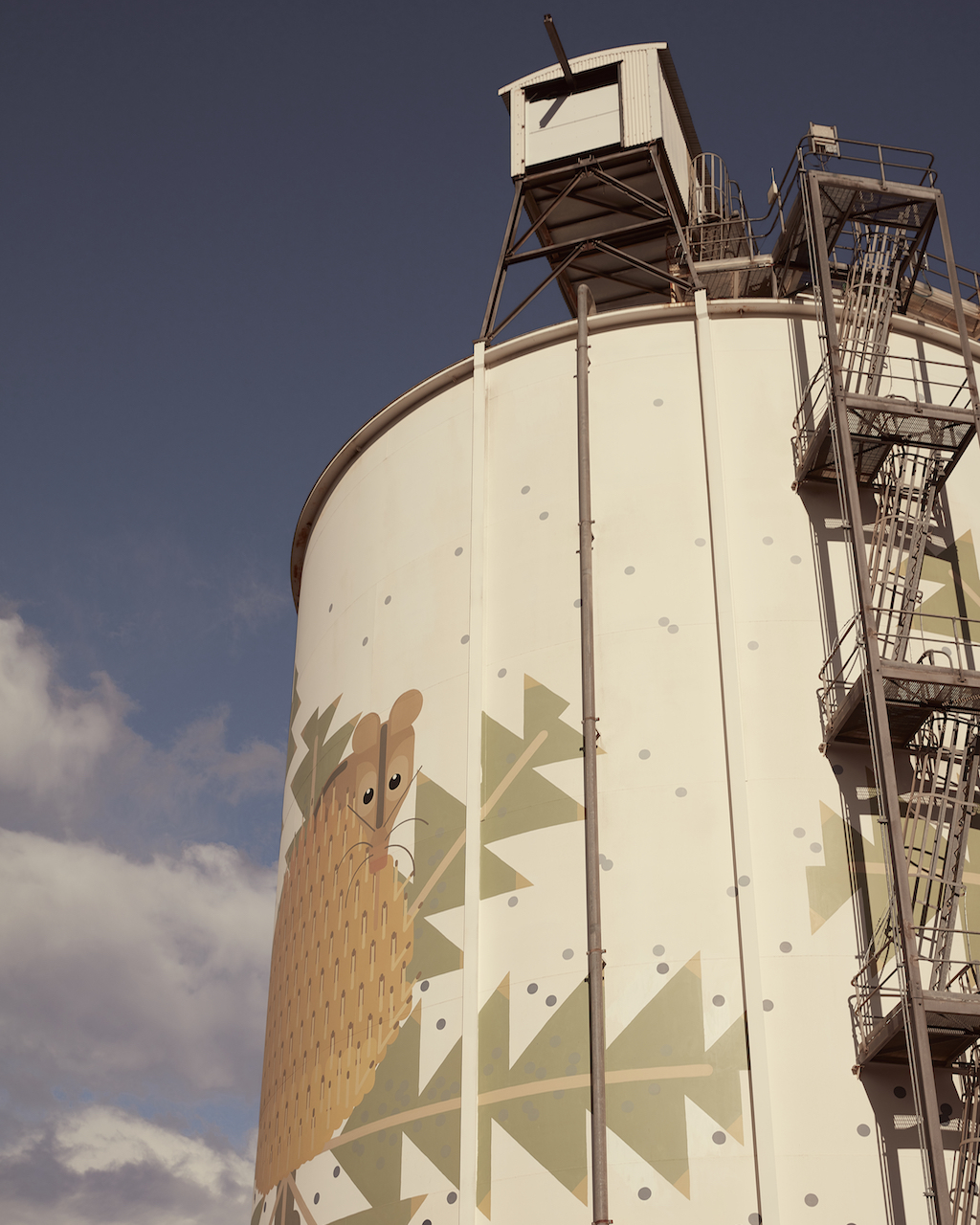
The Fremantle-based artist uses Western Australian flora and fauna as his inspiration. The western bearded dragon, a red-tailed phascogale and a malleefowl – creatures all on the endangered list – stand tall alongside an emblematic representation of the region: its salt pans, freshwater lakes and rugged landscape.
These large-format murals are common in urban centres, but See says his work is better created beyond the city limits. “I have a strong love of conservation and I feel like my work is better suited outside of the city because it resonates with people a lot more,” he says. “As I was painting, people would come up and they’d know what animals they were. That says something; it’s normally me telling them.”
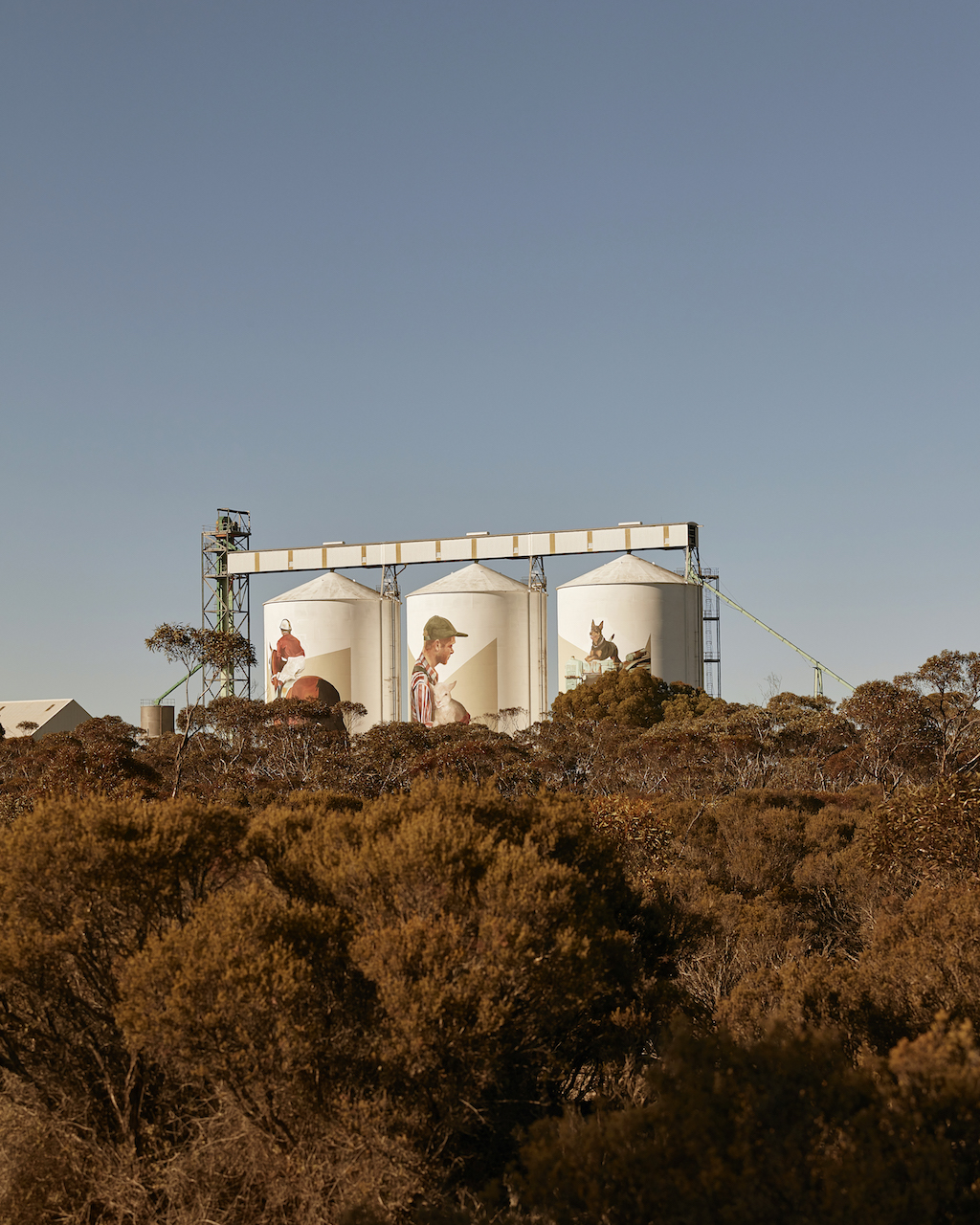
Off the beaten track, Pingrup – a 45-minute drive from Newdegate – is a place that many would have simply bypassed before. The settlement has a population of close to 120 within a 16km radius, and there’s a faintly eerie ghost-town vibe as you roll through it on the way to The Store Café. Going through the café door, though, the vibe immediately changes. Opened in August 2018 on the site of a long-closed restaurant, it is a hive of activity. Far from art for art’s sake, the trail has impacted tiny communities like Pingrup, and this is proof in action.
Stephanie Clarke-Lloyd used to work for FORM across the state, before she met her husband, a Newdegate farmer, and returned to her native Wheatbelt. Once home, she volunteered as a board member of the Pingrup Community Resource Centre, and when the town was first proposed as a potential site for the trail, the idea for The Store Café was born. Clarke-Lloyd serves up a spread that’s pure country hospitality. “Stacy, Mardi and myself, we’re all farmers’ wives,” she says. Together, they’ve created a space with modern sensibilities but a sense of its provincial roots. A barista works the coffee machine, taking orders and pumping out good coffee.
The décor is modern – a mix of wood tones, steel and earthy pottery – and a mixed retail space sells high-end, locally sourced providore goods. Also local is the café’s fresh produce, sourced from Albany, the town of Denmark and the Porongurup mountain range, with cakes from a maker in Kulin in the eastern Wheatbelt. “There were sceptics,” Clarke-Lloyd says. “People told us, ‘Look, you know girls, it’s great, but don’t be upset if it doesn’t work.’”
Since opening in the middle of last year, the day Florida-based artist Evoca1 started work on Pingrup’s trio of murals, the response has been overwhelming, a testament to taking a chance. Local volunteers chop firewood or pitch in when coaches of international tourists stop by, and the small team is stretched. The visitor’s book overwhelms the volunteers with its praise, says Clarke-Lloyd proudly.
From Newdegate, time permitting, you can head east to Ravensthorpe, where you’ll reach the site of Amok Island’s Six Stages of Banksia baxteri, a mural depicting the life cycle of the native wildflower and the animals that pollinate the species. Turn south instead and you can pick between Albany, the dramatic Stirling Ranges or Porongurup National Park, which offers a glimpse of an untamed Western Australia rich in flora and fauna and steeped in Indigenous Australian legends.
At journey’s end in Albany, I stand with the ocean wind at my back. Ahead of me, a ruby-red sea dragon, native to the waters here, spreads across the four portside silos – the work of Yok and Sheryo, an Australian and Singaporean duo based in Brooklyn. It makes an apt end to a journey that’s taken me from the state’s capital, through its agricultural heartland and to its wild southern coast. The trail is a testament to the die-hard country spirit, and proof that art can have a power beyond its effect on the individual; that it can be a seed from which communities can grow.
Singapore Airlines flies to Perth twice daily. To book a flight, visit singaporeair.com
SEE ALSO: Discovering Darwin’s Indigenous Australian food
This article was originally published in the August 2019 issue of Silverkris magazine