Where to eat, drink, shop, and explore in the buzzing Spanish capital
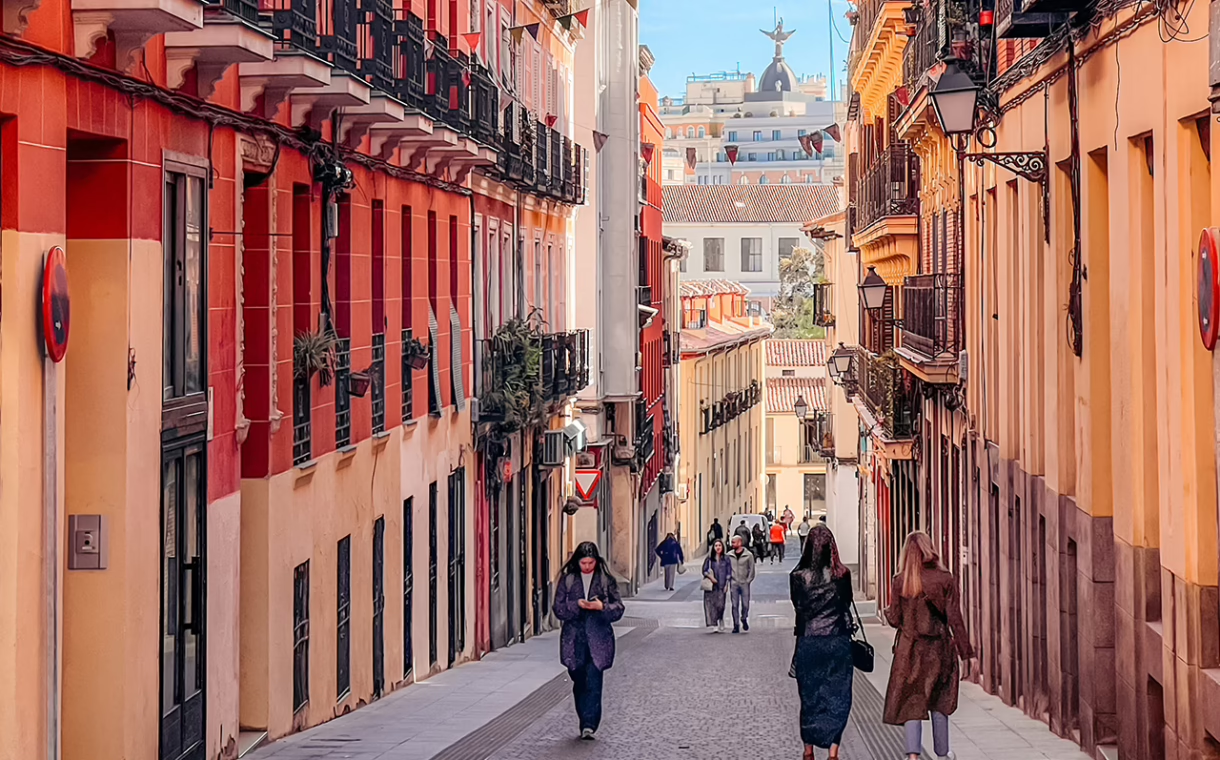
Beyond the grand museums and royal landmarks, Madrid’s appeal lies in its diversity of neighbourhoods, where tapas bars, vermuterías (bars that specialise in vermouth), municipal markets, and plaza meet-ups remain part of daily life.
Today, these old-school institutions share space with vintage shops, wine bars, indie event spaces and much more, giving each part of the Spanish capital its own mood, character and crowd. Here’s where to eat, drink, shop and explore across four of Madrid’s most vibrant neighbourhoods.

La Latina – discover ancient history
With its web of medieval streets, traditional cantinas and communal charm, La Latina captures the best of Madrid in a compact triangle just south of Plaza Mayor.
Most visitors gravitate to Cava Baja, a 300m street boasting more than 50 tapas bars and restaurants serving patatas bravas (crispy potatoes topped with spicy sauce), croquettes, marinated anchovies, and more.
Some of them are well-known for reasons beyond their food, too. La Posada de la Villa, one of the world’s longest-running restaurants, occupies a former flour mill dating back to 1642, while La Antoñita has turned an old soap factory into a hotspot for tapas and Spanish vermouth, wine and beer.
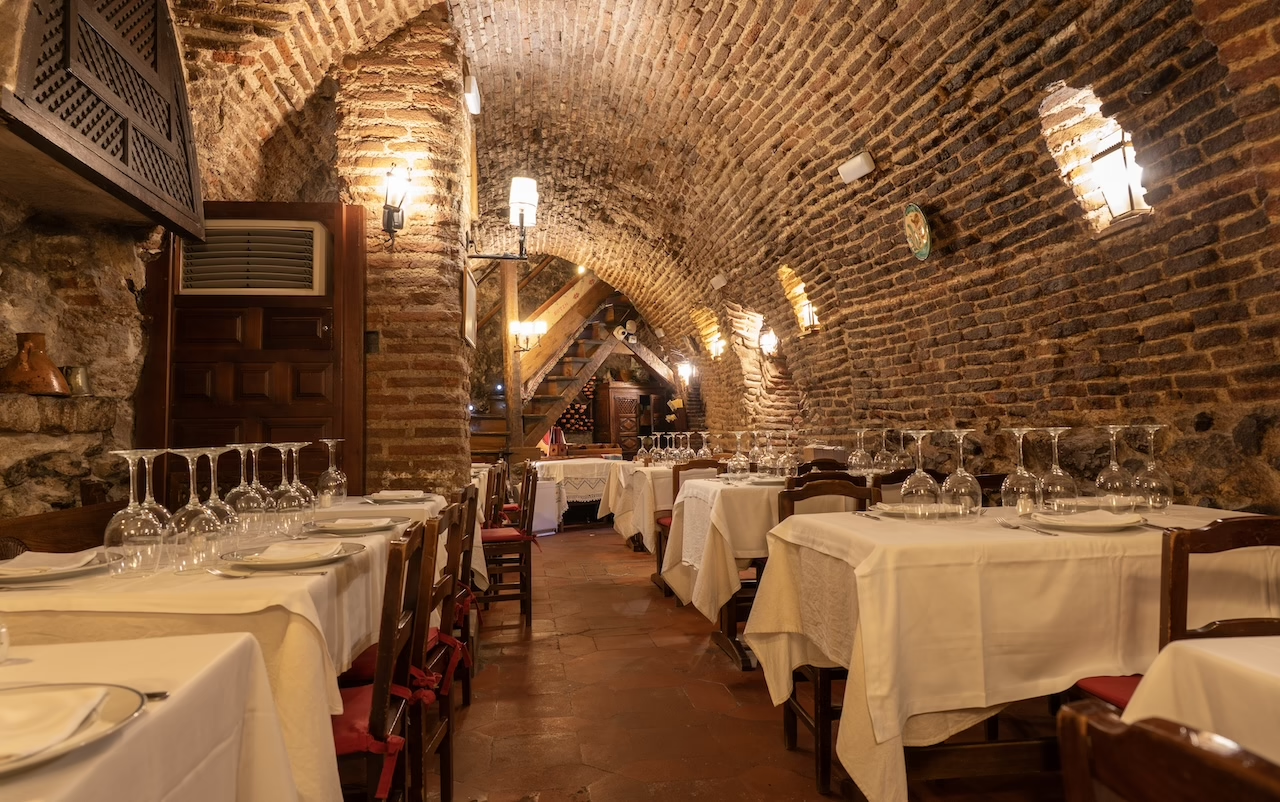
And across the road from Cava Baja, there’s Botin. The oldest restaurant on Earth, according to the Guinness World Records, has been dishing out roast suckling pig and lamb since 1725.
After feasting on light bites and rioja wine, and visiting the San Francisco el Grande Basilica for its Goya paintings, head to Mercado de La Cebada. Record stores, print shops and wine boutiques have set up alongside produce vendors, converting the old market into a one-of-a-kind cultural institution.
On Sundays and public holidays, join the local madrileños on Ribera de Curtidores for El Rastro. The city’s oldest and most popular open-air flea market, El Rastro dates to the 18th century, when the area nearby was home to a slaughterhouse. Nowadays, instead of butchers, you’ll find over 1,000 vendors selling clothes, used books, antiques and souvenirs
Lavapiés – a multicultural haven
Lavapiés is a grid of steep streets long associated with the city’s working class and immigrant communities – its name (meaning “foot bath”) comes from the wash water that once ran downhill through the neighbourhood.
Now, it’s one of Madrid’s most multicultural districts, where Senegalese restaurants, Bangladeshi grocers, natural wine bars, and old-school taverns sit side by side.
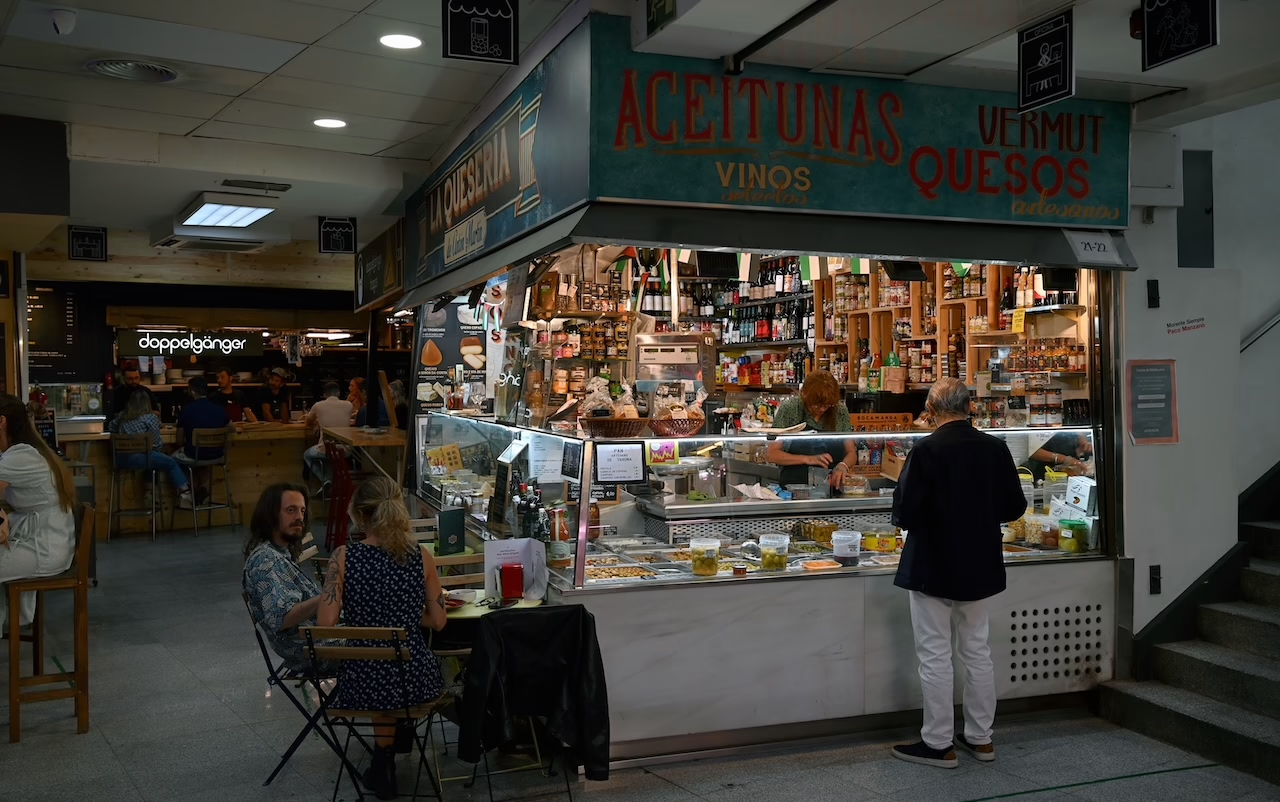
Start with a trip to the municipal markets. Mercado de San Fernando remains fiercely local, with produce stalls, fish vendors and independent beer and wine shops like La Buena Pinta under a single roof, while the colourful Mercado Antón Martín mixes tapas counters with gourmet stalls and international cuisine spanning sushi to Argentine empanadas. The third floor even houses a flamenco school called Amor de Dios.

Culture-lovers may delight in browsing indie bookstores like Los Pequeños Seres and Traficantes de Sueños or stop by La Tabacalera – a former tobacco factory turned community-run cultural centre which hosts exhibitions, concerts and workshops.
Squeeze into Bar El Boquerón for classic tapas or grab a table at La Esperanza, a lively neighbourhood bar known for its vermouth, Spanish wines, and updated takes on traditional dishes. Then get a spritz at Sala Equis. The bar and event space has become a local favourite right by the Plaza Tirso de Molina.
Nearby, La Noche Boca Arriba pairs cocktails, live music, exhibitions and screenings with the bohemian energy that has long defined Lavapiés. And if you love wine, make time for La Fisna, a popular natural wine bar and shop.
Malasaña – a creative modern melting pot
Straddling the famed Gran Via, trendsetting Malasaña became home to Madrid’s artists, thinkers and outsiders after the fall of Franco. Decades later, it’s still popular with the city’s creative types and younger generations.
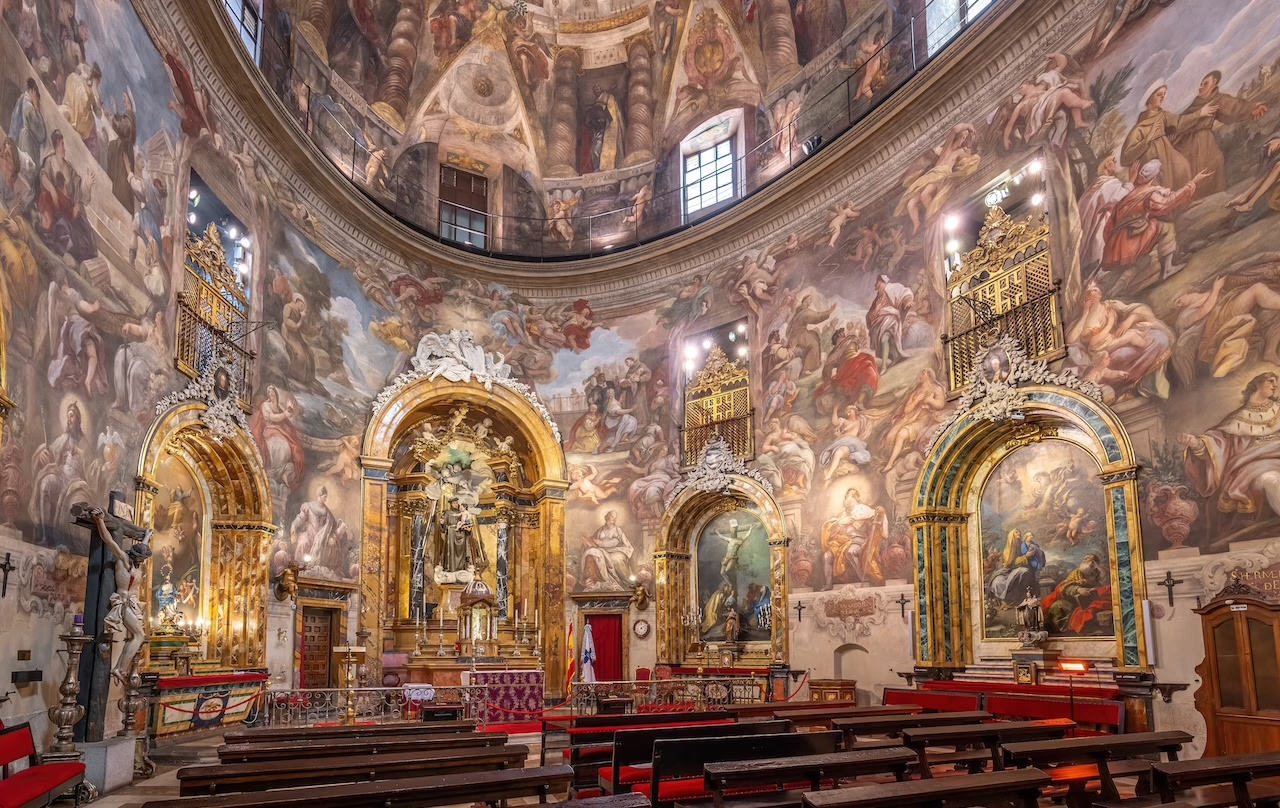
After visiting the 17th-century Church of San Antonio de los Alemanes for its fresco-covered interior, and the Plaza del Dos de Mayo – a tribute to the 1808 uprisings against Napoleon’s troops – it’s time to eat, drink and shop.
Among Calle de Velarde’s vintage shops and record stores, Magpie is a favourite for retro looks and Neare Clothes digs up looks from the Y2K era, while the Recycled Music Centre specialises in second-hand vinyl albums.
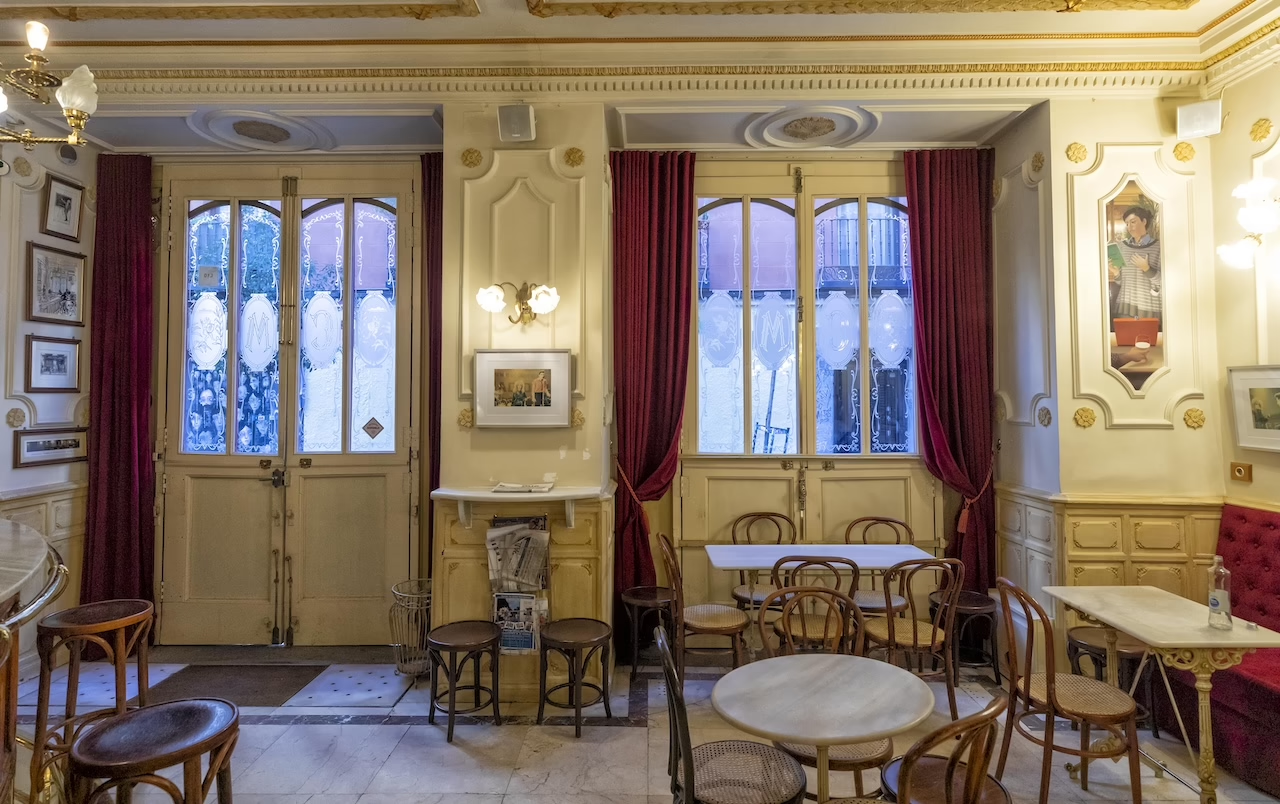
Take a break from browsing by grabbing a glass of Ribera del Duero or coffee with a slice of cake at Café Manuela, a café and bar that has appeared in dozens of ads and TV shows since it opened in 1979. Nearby, 100-year-old Casa Camacho serves tapas, beer and wine that won’t break the bank. Don’t skip the house special, the yayos, a mix of soda water, draft vermouth and gin.
Later in the evening, check out Bad Company 1920, a popular speakeasy-themed bar near Plaza de Callao, and 1862 Dry Bar, one of Madrid’s best places for classic cocktails.
Salamanca – today’s luxury
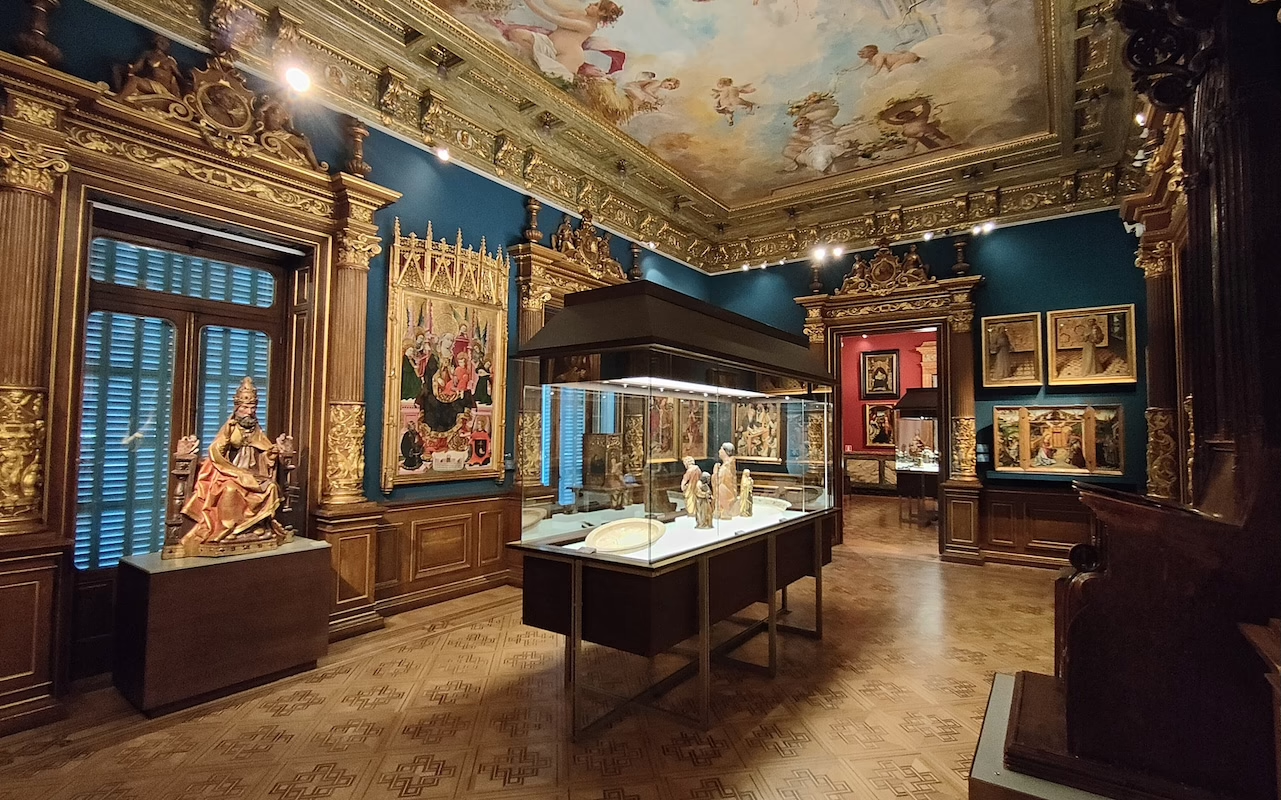
Salamanca is Madrid’s version of London’s Mayfair. Gridded and glamorous, the neighbourhood emerged near the end of the 19th century as an enclave for the upper class. Today, its grand boulevards are lined with luxury boutiques, fine dining restaurants and grand hotels, including the Rosewood Villa Magna, which is set inside the former Anglada Palace.
Start at the Alcalá Gate and explore Calle Serrano. Madrid’s “golden mile” is home to global brands like Gucci, Prada and Stella McCartney, as well as Spanish department chain El Corte Inglés and the ABC Serrano mall.
For a change of pace, explore the neighbourhood’s smaller museums and galleries. After visiting the Prado Museum and El Retiro Park just south of the neighbourhood, head to Museo Lázaro Galdiano, a hidden gem with more than 4,000 art pieces, from Goya and Bosch paintings to letters from Spanish poet and playwright Lope de Vega. Then check out the Opera Gallery, a branch of the global museum group that highlights contemporary artwork from Spain and beyond.

Food in the neighbourhood leans high-end. Go for Mediterranean fare at Ten con Ten or splash out on seasonal Castellano cuisine at Michelin-starred Santerra. For a more affordable meal, enjoy a classic tortilla at Juana La Loca.
To cap off the night, have a daiquiri at one of Salamanca’s favourite cocktail bars, the brick-lined, subterranean Planta Baja.
Singapore Airlines will launch five weekly flights to Madrid via Barcelona from 26 October 2026. For more information on Singapore Airlines’ flights to Madrid, visit singaporeair.com.
Feature image: MADRID DESTINO TURISMO CULTURA Y NEGOCIO, S.A. available at www.esmadrid.com.