


Photo essay: A night at the opera on Singapore’s Pulau Ubin

One of the traditional troupes keeping the art of wayang alive in Singapore, Lao Sai Tao Yuan’s performances transport you to another time and place
Most Recent

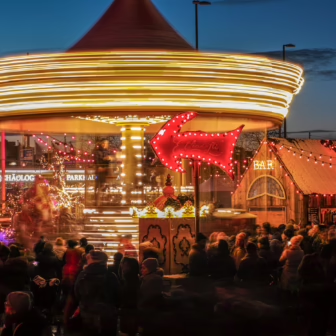
The Malay word wayang typically refers to a puppet theatre performance – wayang kulit, or shadow puppetry, perhaps being the most famous among them – but in Singapore, wayang can be something quite different.


The New Business Class.
Designed Around You.
Welcome to a new way of travel
with Singapore Airlines. Where thoughtful
details bring greater privacy and comfort
from take-off to landing.

Wayang’s origins are tied to faith. Performances were held on temple grounds for the entertainment of deities and as part of festivals, and while the intended audience was celestial, crowds would gather on earth, too. Over the years, wayang became a fixture of life in Singapore, serving as a popular form of entertainment in the first half of the 20th century.
Its popularity has waned in the years since independence, but wayang remains part of the country’s identity, featuring in two recent local films, Wayang Boy (2014) and The Wayang Kids (2018), as well as the 2020 television series Titoudao: Inspired by the True Story of a Wayang Star, which was based on a 1994 play.
Though wayang is often spoken of with nostalgia for days long gone, and there are recurring lamentations that the artform is facing its final act, it is not something that exists in the past tense. Across the country, about a dozen troupes are keeping wayang alive, according to a 2017 report in the Straits Times. Founded in 1864, the Lao Sai Tao Yuan Teochew Opera Troupe is the oldest among them, and it’s showing a way forward.

The New Premium Economy.
Your Space to Unwind.
Welcome to a new way of travel with Singapore Airlines.
Where space, comfort, and greater legroom invite you
to unwind, with your well-being at the heart of every journey.


